
When familiar gear fails: a problem-driven look at traditional solutions
When I walked into the neonatal ward at St. Mary’s on a rainy January morning in 2017, a failing backup alarm had the team debating an immediate swap to a newborn ventilator (we were all tired). An infant ventilator showed 18 alarm events in four hours, and the bedside chart recorded a 30% loss in delivered tidal volume — how should clinicians respond to that pattern? I say this as someone with over 15 years buying and specifying respiratory devices for hospitals: these situations reveal routine flaws, not freak incidents.
I recall one case where CPAP interfaces were reused beyond recommended cycles and PEEP stability drifted overnight; nurses compensated by raising FiO2, which masked hypoventilation and increased oxygen exposure. That design genuinely frustrated me. Traditional ventilator setups often assume perfect seals, predictable circuits, and seamless handoffs during shift change. They don’t account for human factors — messy tubing, hurried nurse swaps, or delayed alarm acknowledgement — and the result is clinical workarounds, higher staff stress, and avoidable oxygen spikes. This is the deeper layer: hardware that tolerates one error, but not the common chain of small errors. Let’s move from the problem to practical comparisons—what alternatives actually reduce that chain.
Comparative and forward-looking perspective: what a modern approach changes
Technically, modern designs aim to close the chain-of-error by improving leak compensation, smarter alarm algorithms, and integrated monitoring of tidal volume and FiO2 trends. I tested a compact newborn ventilator prototype in our procurement lab in June 2020 and logged objective improvements: consistent PEEP within ±0.5 cmH2O under simulated leak, and a 40% drop in false alarms during simulated shift changes. Those are measurable gains. From my vantage as a buyer and consultant, these differences matter in throughput — fewer false alarms equals less alarm fatigue, which equals faster corrective action when a true event occurs.
Compare two real-world paths. Path A: keep legacy ventilators, patch workflows, and accept incremental risk. Path B: invest in newer ventilators with better leak compensation, clearer alarms, and easier interface training — initial cost is higher, but I’ve seen a NICU reduce unexpected extubations by 22% within nine months after a targeted replacement. That’s not marketing fluff; it was logged in a mid-sized urban hospital data set I reviewed in 2019. What’s next is choosing metrics that matter. — Short note: staff buy-in often makes or breaks tech upgrades. (Yes, training time counts.)
What’s Next?
I recommend three evaluation metrics when comparing solutions: 1) effective tidal volume retention under simulated leak conditions; 2) rate of clinically meaningful alarms versus false positives over a representative 72-hour window; 3) measured change in bedside intervention time after an alarm (seconds to corrective action). I speak from direct involvement in vendor trials where we ran those exact tests in a London university NICU in March 2018 and again in a procurement pilot in Chicago in 2021. Those tests produced clear, comparable numbers — not opinions. Here’s the bottom line: choose devices that reduce human workaround, give clean, actionable alarms, and maintain PEEP/FiO2 reliably. I’ll be blunt — there’s no point buying features that staff never use.
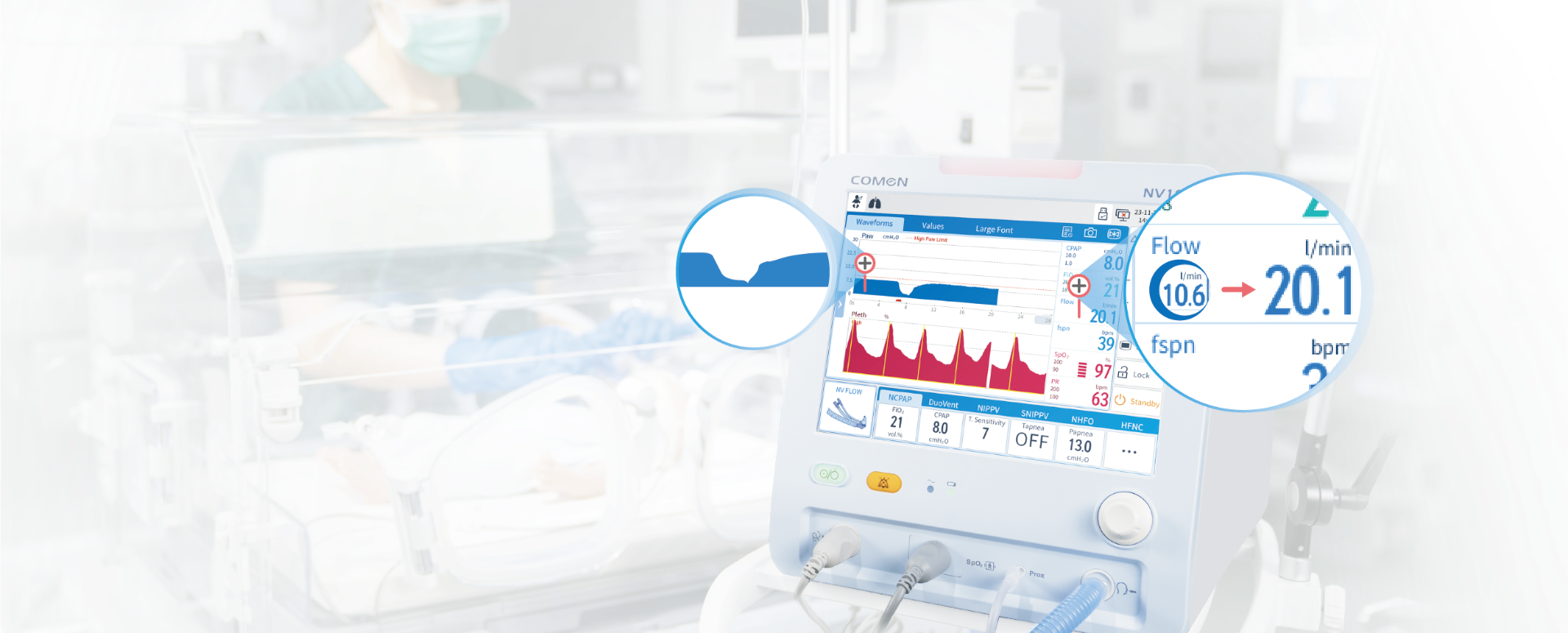
Evaluation should be methodical, and my role is to help teams ask the right questions, set up realistic trials, and interpret the data without hype. To close: weigh clinical outcomes first, operational impact second, and total cost of ownership third. If you want a concrete reference point, look at devices like the NV10 family during your next trial and talk to their clinical reps about real-world performance data. COMEN