
Introduction: The Fragile Flow We Rely On
Here’s the blunt truth: small failures in packaging ripple into big losses. The pet pump bottle sits right at that fault line, where a sticky stroke can derail a morning routine and a brand promise in one motion. Field audits often show a sharp pattern—clogs, drips, and air pockets drive a heavy share of complaints, with repeat calls stacking like storm clouds. What happens when one click doesn’t prime, and the next over-doses? Seal integrity slips, the dispense rate swings, and the system no longer feels safe. It’s quiet, almost clinical, and yet it spreads.
We watch the numbers creep up in returns, while users stop trusting the pump before they stop trusting the formula. The primer cycle grows longer in humid rooms, and the last third of the bottle turns into a guessing game. Is it the spring? The check valve? Or the way the tolerance stack piles up under heat? The question is simple, if grim: what design choices steer the flow toward failure—and which ones hold the line when the shelf life runs long (and the lights flicker)? Now, let’s move from hunches to parts on the bench—step by step.
Under the Hood: Why Legacy Pumps Stutter
What actually breaks?
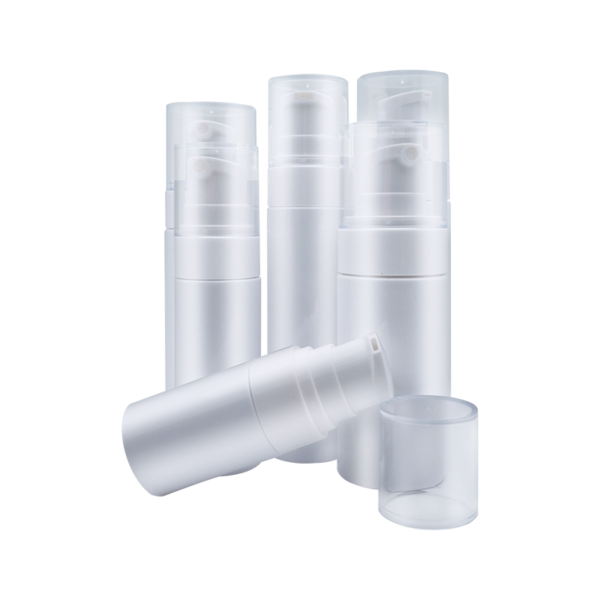
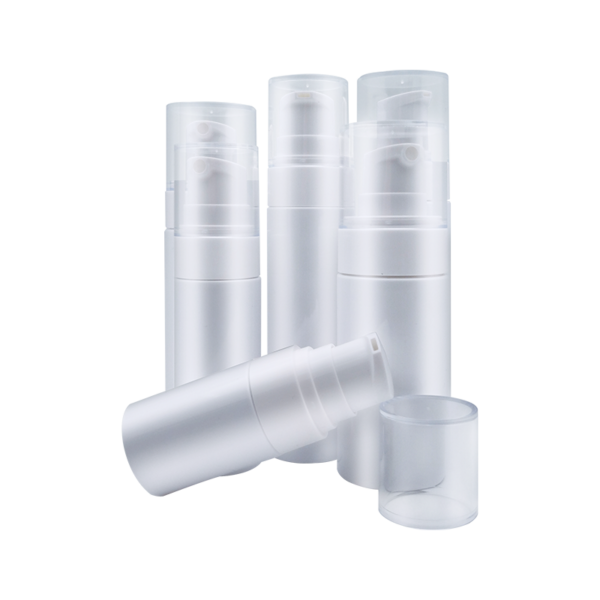
A modern system like a china pet pump bottle looks basic on the outside. Inside, it is a chain of tiny decisions. Look, it’s simpler than you think. Weak springs raise actuation force early, then lose rebound after a few hundred cycles. That mismatches the dosage chamber, and the check valve starts letting micro-bubbles in. Once air ingress begins, the dispense rate gets noisy. Thin walls from downgauged resin amplify the problem under heat, and the dip tube geometry pulls in turbulence. Add viscous formulas, and you get cavitation at the seat—funny how that works, right?
Legacy fixes often mask the symptom. A wider orifice makes flow feel smoother at first, but backflow increases when users tilt the bottle. A longer primer cycle hides trapped air, yet wastes time and raises the perception of poor quality. Tolerance stack-up across the collar, actuator, and gasket shifts under travel, and then creep begins. In short: consistency dies by degrees. The quiet culprits are clear—misaligned spring rate, loose valve sealing, and poor wetting control. When they line up, the pump “breathes” at rest and the next stroke under-doses. That’s the loop you feel, but can’t see, until the last 30% becomes guesswork.
Comparative Outlook: Smarter Pumps, Clearer Metrics
What’s Next
Forward-looking pumps change the game by design, not patchwork. New technology principles focus on stable hydraulic paths and predictable force. An airless architecture reduces rebound lag and keeps the dosage chamber under control. Low-compression gaskets limit “breathing” when idle. A tuned flow restrictor smooths out the curve so every stroke lands within a narrow band. Pair that with improved valve geometry and you cut cavitation at the seat. The result feels obvious in the hand—less variance, less effort, more trust. Compared side by side with legacy heads, optimized actuators drop actuation force while keeping seal integrity high. That’s the balance to target, not just a stiffer spring.
Procurement teams looking at pet pump bottles wholesale should map the upgrades to real life. Not lab talk only—field conditions. Heat cycles, high-viscosity formulas, and repeated tilt use. In trials, stable check valve sealing reduced prime loss after storage, while smarter dip tube angles cut turbulence on the last third of fill. And with controlled orifice size, the dispense rate stops drifting after week two—small gain, big loyalty. So, how do you choose? Use three simple metrics: first, dose repeatability across 500 cycles under mixed temperatures; second, air ingress rate after 24-hour rest in both upright and side storage; third, user actuation force at start, mid-life, and end-of-life. Measure these, not the brochure claims—and the best design will surface on its own. Because the quiet bottle on the counter that “just works” keeps working when conditions get rough—funny how reliability hides in plain sight. For continued learning grounded in real builds, see NAVI Packaging.