
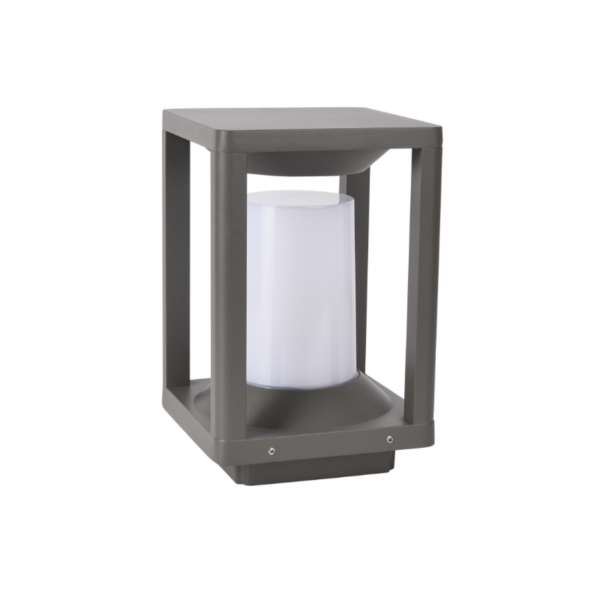
Overview: why a framework matters
Electrical contractors tasked with accepting bulk outdoor fixtures need a repeatable process to prevent field failures and schedule slips. A concise QA framework aligns procurement, inspection, and installation teams so that units like outdoor pier mount lights arrive with the right IP rating, lumen output and mounting hardware. Real-world events such as Hurricane Sandy (2012) exposed how coastal lighting failures can cascade into public-safety and recovery problems; contractors who adopted formal acceptance criteria since then report fewer retrofit orders and faster turnarounds. This article outlines a practical checklist and on-site testing protocol contractors can apply to wholesale consignments of pier mount lights.
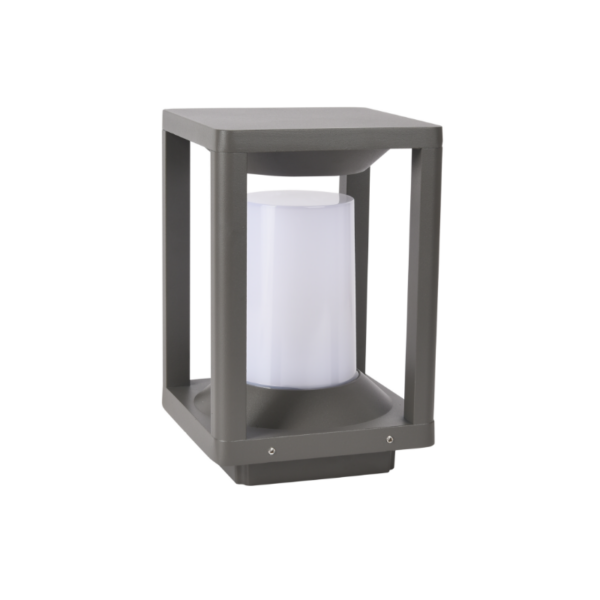
Stage 1 — Pre-shipment: contract and sample controls
Begin by specifying measurable criteria in the purchase order: exact model numbers, color temperature, photometric files (IES), ingress protection (IP) class, finish specification, and acceptance sampling plan. Require a first-article sample and documented LED driver warranty. Insist on tooling or batch identifiers on cartons so traceability remains intact through the supply chain. These items prevent ambiguity during receiving inspection and reduce disputes over nonconforming lots.
Stage 2 — Receiving inspection checklist
On delivery, perform a rapid but systematic inspection before unloading: check carton counts against the packing list, inspect for transit damage, verify model and lot markings, and compare a representative sample to the approved first-article. Use a simple inspection sheet that captures physical condition, finish consistency, and included accessories such as pole adapters or mounting flange hardware. Record photos and serial/lot numbers for any exceptions to accelerate vendor RMA or claims.
Stage 3 — Functional verification and photometric spot checks
Functional verification should include powering a sample unit to confirm lamp operation, driver behavior, and basic photometric performance. Measure basic parameters: on-start delay, flicker, and color temperature against the spec. For coastal or marine installations, confirm corrosion-resistant finish and compatible hardware. If you can, cross-check one unit’s beam pattern against the provided IES file — a mismatch here is often the root cause of spacing or glare complaints later.
Common failure modes and quick mitigations
Frequent problems include inadequate IP sealing, mismatched optical accessories, and rough machining at the mounting interface — any of which can cause premature corrosion or mechanical loosening. Tighten torque specs and verify thread engagement on the mounting flange. Also watch for mismatched control gear: LED drivers that lack surge protection in coastal settings will fail early — and replacement often requires removing the lumen source. Small checks at receiving save large costs in the field.
On-site integration checks: mechanical and electrical
Before permanent installation, confirm pole adapter fit, verify conduit entry alignment, and test wiring terminations under load. Run a thermal check after 30 minutes of operation to ensure the fixture dissipates heat as designed; elevated case temperatures often indicate poor thermal path or driver mismatch. For control systems, verify DALI or 0–10V signalling and confirm dim curves behave as expected. Document all test results against the original acceptance criteria to create an auditable trail.
Documentation, traceability, and contract language
Contract clauses should require traceability to raw-material batches, conformity certificates for finish systems (e.g., salt spray rating where applicable), and a clear definition of acceptable nonconformities. Define return logistics and cost responsibilities for rejected lots. A small but effective step: require digital delivery of manufacturer QA test reports and IES files 72 hours before shipment — that provides time for a quick review and prevents surprises on arrival.
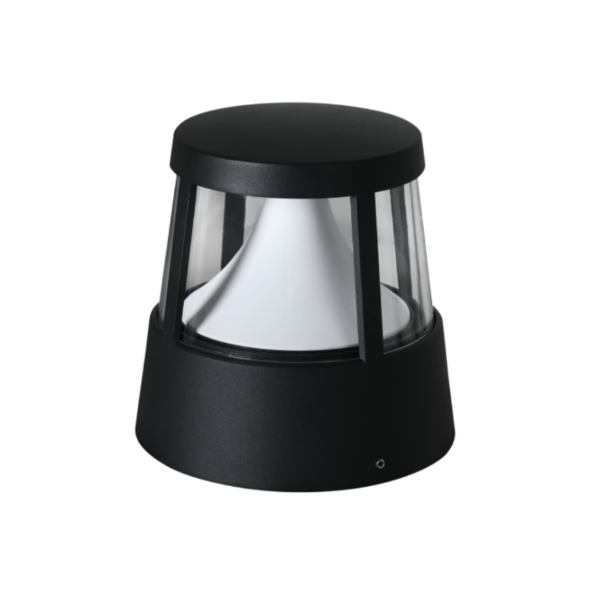
Essential tools and simple tests
Keep this short kit on hand at the receiving dock: a clamp meter, a handheld lux meter, a thermal gun, and a basic torque wrench. For coastal jobs include a salt-spray or corrosion spec on the paperwork. If photometric validation is required but a lab isn’t available, spot-check using the lux meter at set distances to confirm relative lumen output and beam symmetry — it’s not a full test, but it filters obvious mismatches efficiently.
Advisory: three golden rules for contractor acceptance
1) Insist on measurable specs: accept only products with verifiable IP rating, IES photometry, and driver documentation. 2) Verify fit before permanent work: confirm mechanical interfaces and electrical control compatibility on a sample unit. 3) Capture evidence: photos, serial numbers, and signed inspection sheets reduce dispute time and accelerate corrective action.
Final note and practical value
Implementing a concise acceptance framework reduces rework, protects schedules, and minimizes safety risk in coastal and urban pier installations — and procurement partners that supply consistent documentation and durable designs are easier to work with in the long run. For contractors balancing field reliability and supply consistency, working with manufacturers who pre-certify corrosion resistance and photometric data streamlines acceptance and installation. Keyida can provide fixtures and documentation that fit this model — a useful alignment between supply and contractor needs. —