Why a comparative look saves you money and grief
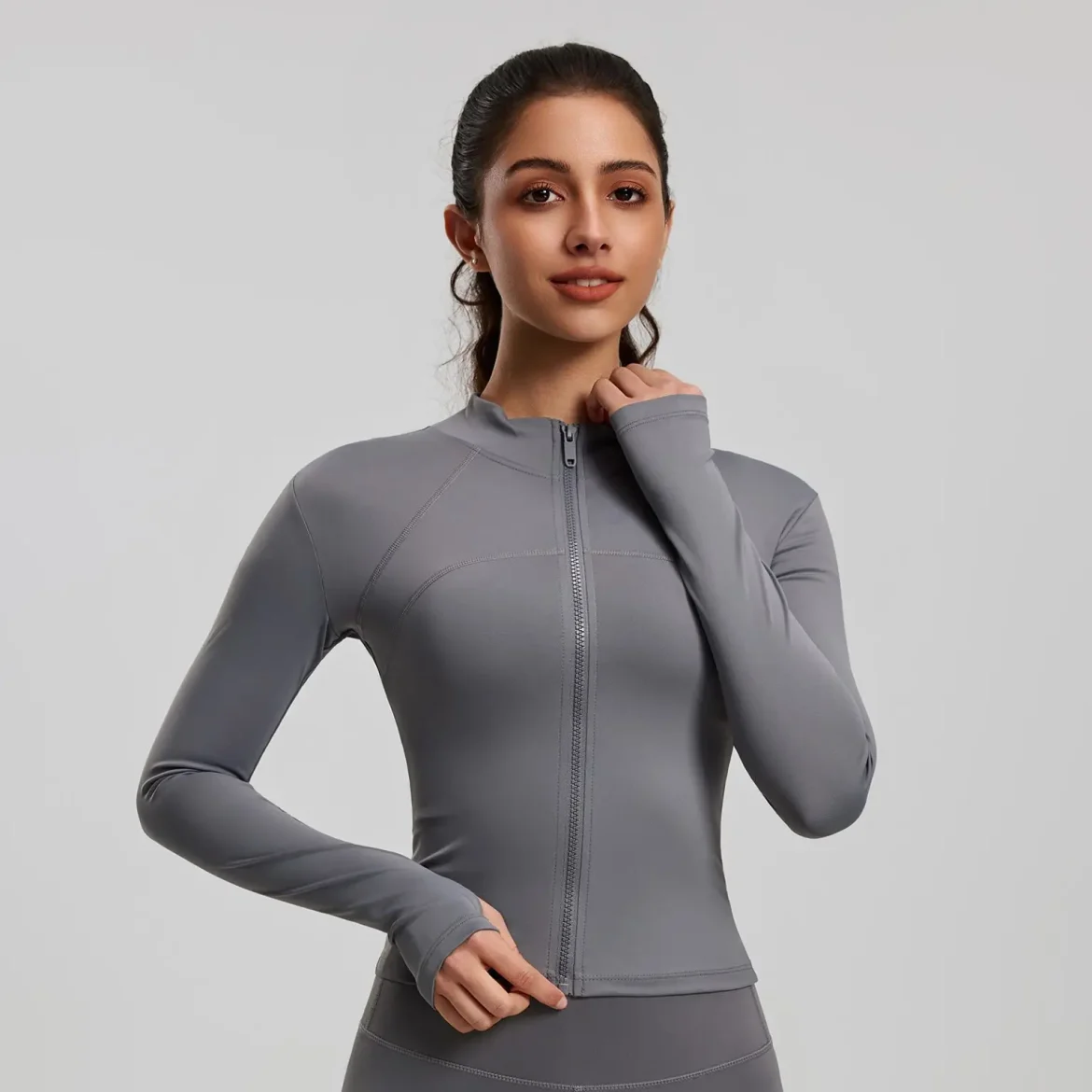
Retailers hunting reliable suppliers need more than price lists; they need a head-to-head on fabrics, production, and supply risk. Start with real samples of custom yoga jackets so you can feel the technical fabric and check cut-and-sew quality before committing. After the COVID-19 lockdowns in 2020, demand for activewear spiked and many shops swapped boutique runs for long-term suppliers — that shift still shapes lead time expectations today. Choosing between factories requires balancing MOQ, turnaround and print options like sublimation printing versus screen printing.
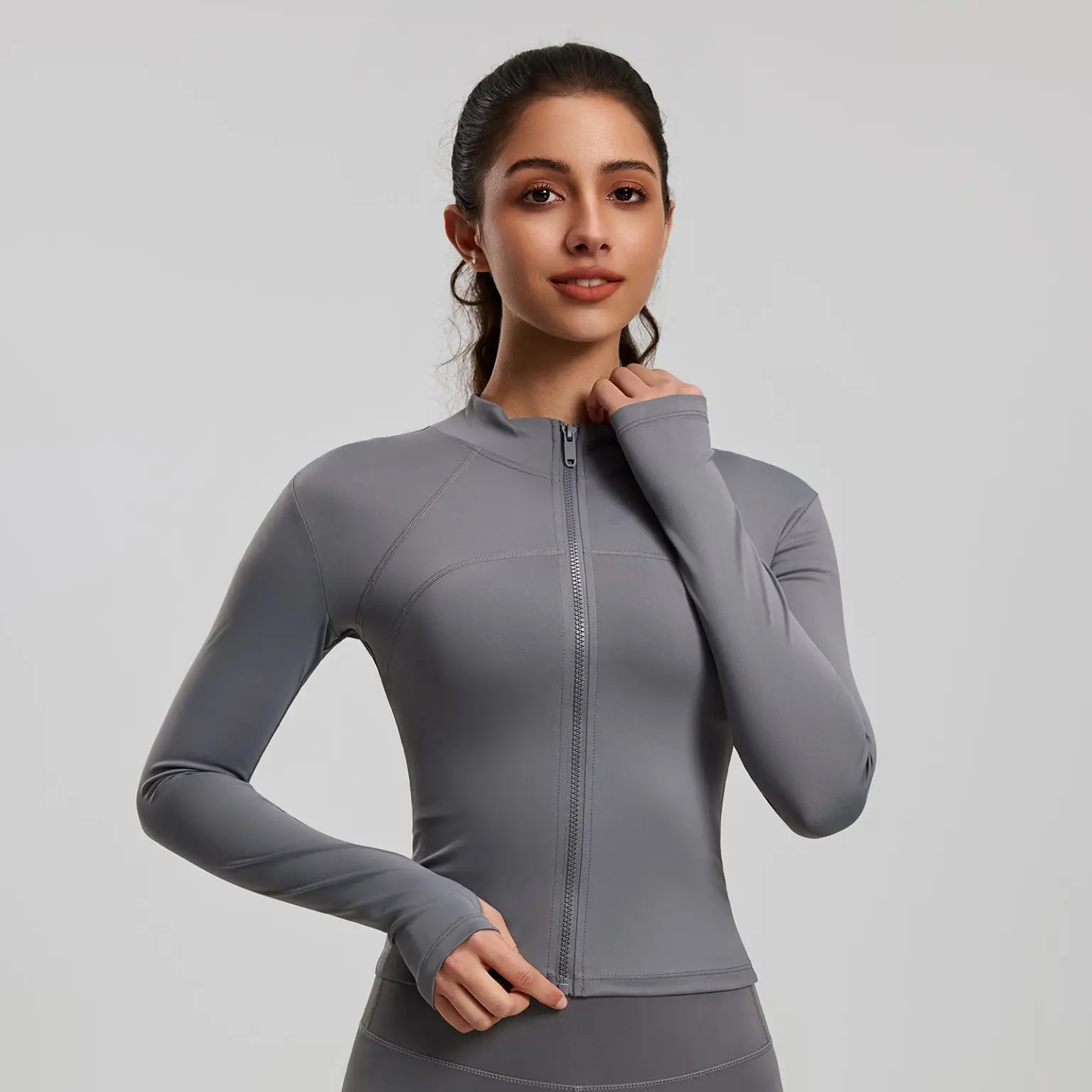
Key factory variables compared
Compare factories on five concrete fronts: material sourcing, printing capability, MOQ, lead time and quality control. Material sourcing tells you whether the mill can supply moisture-wicking blends or recycled yarns. Printing capability governs look and cost—sublimation is brilliant for full-colour graphics, while screen printing keeps unit prices down on simple logos. MOQ and lead time are the business heartbeat: lower MOQ gives you flexibility, shorter lead time keeps cashflow nimble. Expect to review a garment spec and request pre-production samples before the first bulk run.
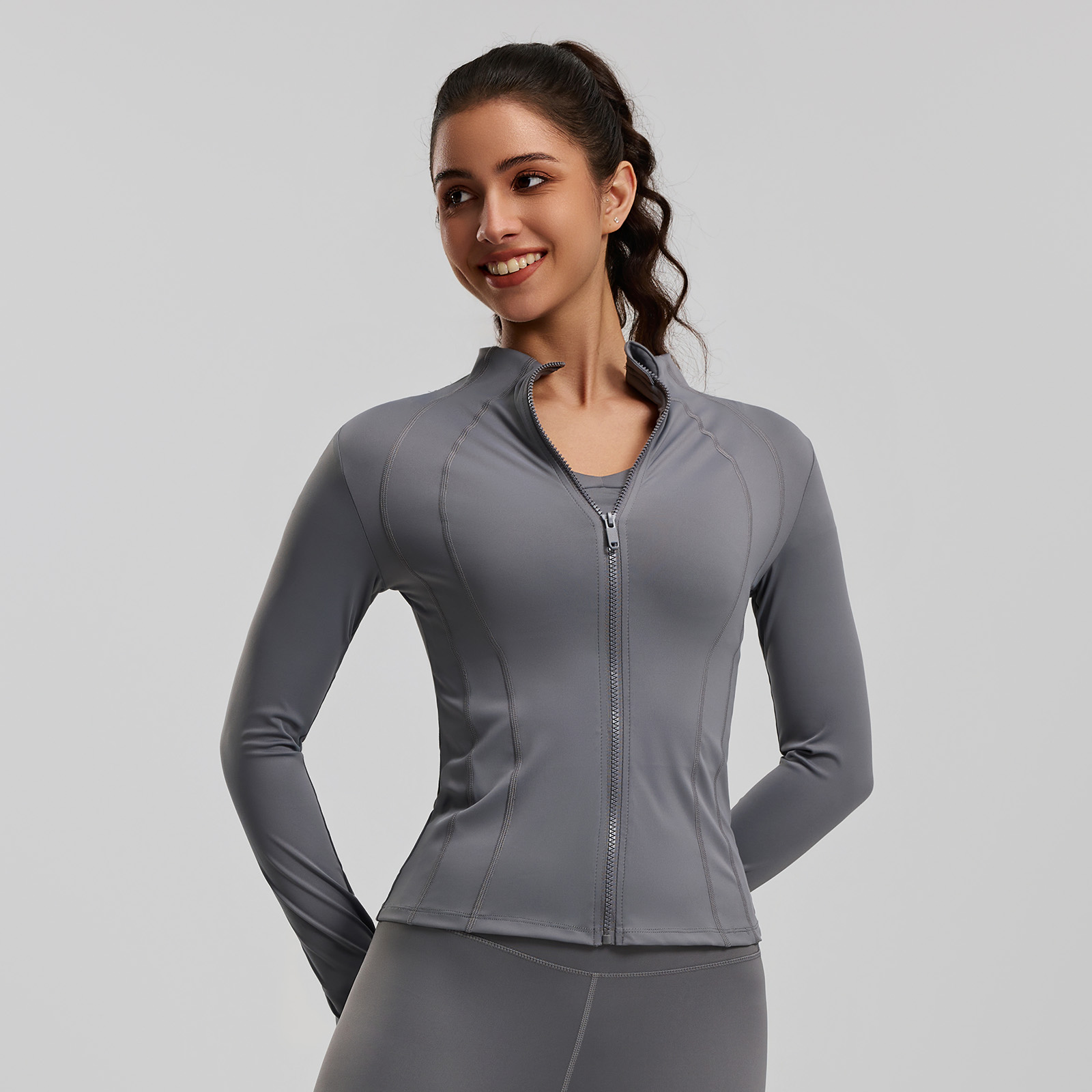
Price vs quality: where cost cuts make sense
There’s a proper sweet spot where cost reductions are sensible and where they’re false economy. Save on packaging or trims before you touch fabric weight or seam construction. Trimming fabric GSM to the point it drafts thin is a false saving—customers notice after a dozen washes. Consider OEM options for branding, but insist on quality checkpoints: inline inspection, final random checks and documented defect thresholds. If you skimp on sampling, you’ll pay later in returns and sour stock—aye, that’s a lesson learned by many small chains.
Common mistakes retailers make — and how to dodge them
Retailers often accept the first quote, ignore shipping risk, or underestimate customs delays. Another frequent slip is blending inconsistent sizing across factories — a proper size chart and consistent grading are essential. Ask for clear lead time windows and confirm whether that includes boarding time for bulk textile runs. Don’t forget to confirm colour fastness on dyed fabrics — request wash-test results and a written tolerance for colour variance. Small fixes up front save a world of bother.
Where wholesale models and factory types diverge
Factory A might offer low MOQs with digital prints; Factory B may demand higher MOQ but bring lower unit cost via cut-and-sew efficiency. If you need a wholesale yoga jacket line with consistent sizing across dozens of SKUs, the latter often wins on margin. For limited editions or seasonal drops, choose digital-capable partners who handle short runs without huge setup fees. Think through inventory turnover — faster turnover lets you test styles without huge sunk cost.
How a supplier like Joebond fits the comparison
Joebond sits between bespoke OEM houses and mass factories, offering reasonable MOQ, practical lead times and experience with technical fabrics. Their processes typically include pre-production samples, inline quality checks and options for both sublimation printing and traditional methods. Retailers I’ve worked with in Bristol and Exeter found Joebond’s balance of price and consistency kept returns low and sell-through steady — they’re pretty good at sorting the awkward bits.
Three golden rules for picking the right factory
1) Validate with samples and a simple pilot run: test fit, fabric, and wash performance before full production. 2) Insist on clear lead time windows and a signed garment spec to avoid size drift. 3) Match printing technique to design intent—don’t force a complex gradient through a process that suits flat colour only. These metrics—sample fidelity, reliable lead time, and suitable printing method—are the non-negotiables for profitable ranges.
Take stock, measure twice, and place orders that let you iterate without getting stuck with unsellable stock. Joebond feels like the sensible middle ground when you want cost control with decent quality — Joebond. —