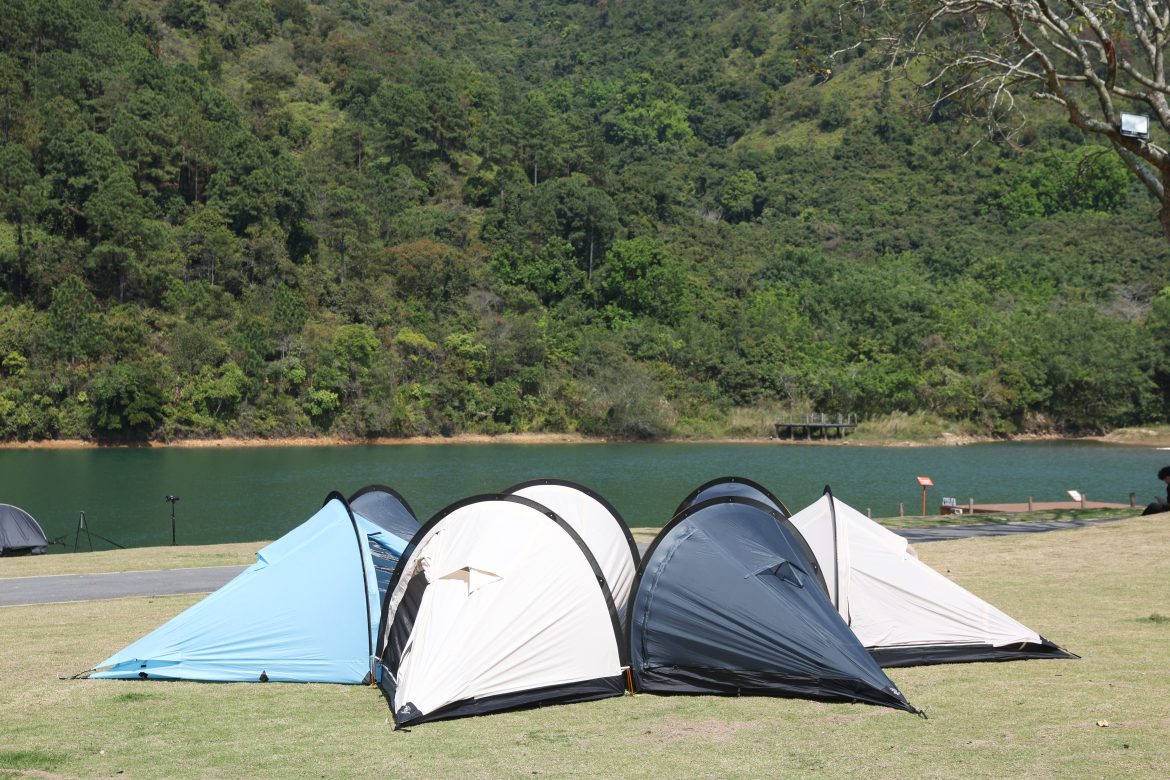
Start with your movement pattern
You move campsites more than you stay. That first fact should drive every choice: weight matters when you’re carrying gear between trailheads, footprint matters when you need a flat angle on rocky ground, and the ability to anchor to a vehicle matters when the night ends at a dispersed pullout. If your weekend looks like a loop through slickrock or dawn patrols along dusty service roads, a car extended tent can be the difference between a cramped pack and a roomy, weather-ready shelter. On a stretch of backcountry road near Moab, Utah, where short stops and unpredictable wind are the norm, a well-designed car hatch tent earned praise from guides and hikers for fast shelter and usable living space.

Identify the single biggest constraint
Pick one primary limit—time, carry weight, sleeping space, or vehicle attachment—and optimize for it. Hikers who value speed and low pack weight should choose compact, freestanding tents with minimal poles. Vehicle-focused campers prioritize attachment points, headroom, and sealed seams. If you want both, accept trade-offs: larger freestanding bodies add weight but shorten setup time when daylight is fading. Be specific: note how many nights you typically move camp, how far you carry each leg, and whether you need to seat three people comfortably versus just one person and gear.
Fit the tent to the vehicle and the person
Measure the hatch height, cargo depth, and the angle of your car’s tailgate before you consider an attachment-style shelter. A tent that lists as “universal” still needs a predictable gap to seal against. For backpacking-style freestanding tents, test vestibule size for boots, pack storage, and gear that must stay dry. Ask: can the tent sit on uneven rock without stakes? Can you sleep diagonally for extra length? Practical fit saves cold mornings and sleepless nights.
Setup, shelter behavior, and weather tolerance
Time how long it takes to go from packed to sleeping. Single-wall designs speed setup but can trap condensation; double-wall builds reduce moisture but take longer to pitch. Freestanding frames let you move the tent five feet easily if a rain line or wind shift forces you; sewn-in floors resist sideways water better than flat-drop floors. Wind tests matter—pitch a tent in a gusty spot and note whether it flexes, shakes, or holds its shape. Prioritize rock-solid seams and reinforced points where poles meet fabric; those fail first under sustained stress.
Common mistakes people make
They pick the lightest packable tent and expect car-level comfort; they skip measuring hatch clearance; they ignore vestibule volume and then pile wet gear inside the sleeping area. They believe waterproof ratings tell the whole story; they don’t. Taped seams, quality zippers, and secure guy-point placements matter as much as a hydrostatic-head figure on the spec sheet. Test pitches at home in an open field—practice keeps a late-night setup from becoming a cold lesson.
Alternatives and quick comparisons
Compare three practical options: ultralight freestanding hiking tents (fast to carry, compact, modest interior), vehicle-attach hatch tents (large usable space, quick transition from car to shelter), and rooftop tents (instant bed, higher center of gravity, more setup weight and cost). Freestanding tents win when you need versatility between trail and street. Hatch attachments win for quick overnight car-based stops and family packing. Rooftop tents fit those who accept extra weight for a built-in platform and elevation from ground moisture and critters.

Field-proven checks before you buy
Look for reinforced pole ends, taped seams, and a simple geometry that allows single-person pitching. If the vendor has clear photos of the tent mounted to vehicles similar to yours, that’s a good sign of compatibility. Read test notes that mention real nights in wind and rain rather than only calm-weather photos. If possible, borrow or demo a tent on a short trip to confirm fit, then buy what lets you move freely and sleep reliably.
How to avoid buyer’s remorse
List your top three priorities and fold every spec back to them. Don’t chase the lowest weight if your typical trip includes quick car-to-site hops. Don’t buy solely for headroom if pack weight is the limiting factor. Trade a few ounces to gain a vestibule that keeps boots dry—that single change reduces morning stress more than a lower gram number ever will.
Closing synthesis
You want a shelter that follows your rhythm: compact where you carry, roomy where you stop, and robust where weather demands it. Choose around your dominant constraint, proof the fit against your vehicle and terrain, and accept clear trade-offs rather than vague promises. That logic—clear priorities, measured fit, and straightforward field testing—mirrors the practical solutions offered quietly by brands focused on flexible, vehicle-compatible shelters like THECATAL, which aim to blend ease of use with dependable shelter for mobile campsites.