• Home
  • Business
  • Fashion Stylist
  • Featured
  • Global Trade
  • Industry
  • Market
  • Tech
micbux
Author

Katherine

Katherine

Industry

Advanced Frequency Droop Strategies: Comparing Active and Reactive Compensation in Multi‑Megawatt Three‑Phase Hybrid Solar Inverters

by Katherine June 23, 2026
written by Katherine

Why a data-first look matters

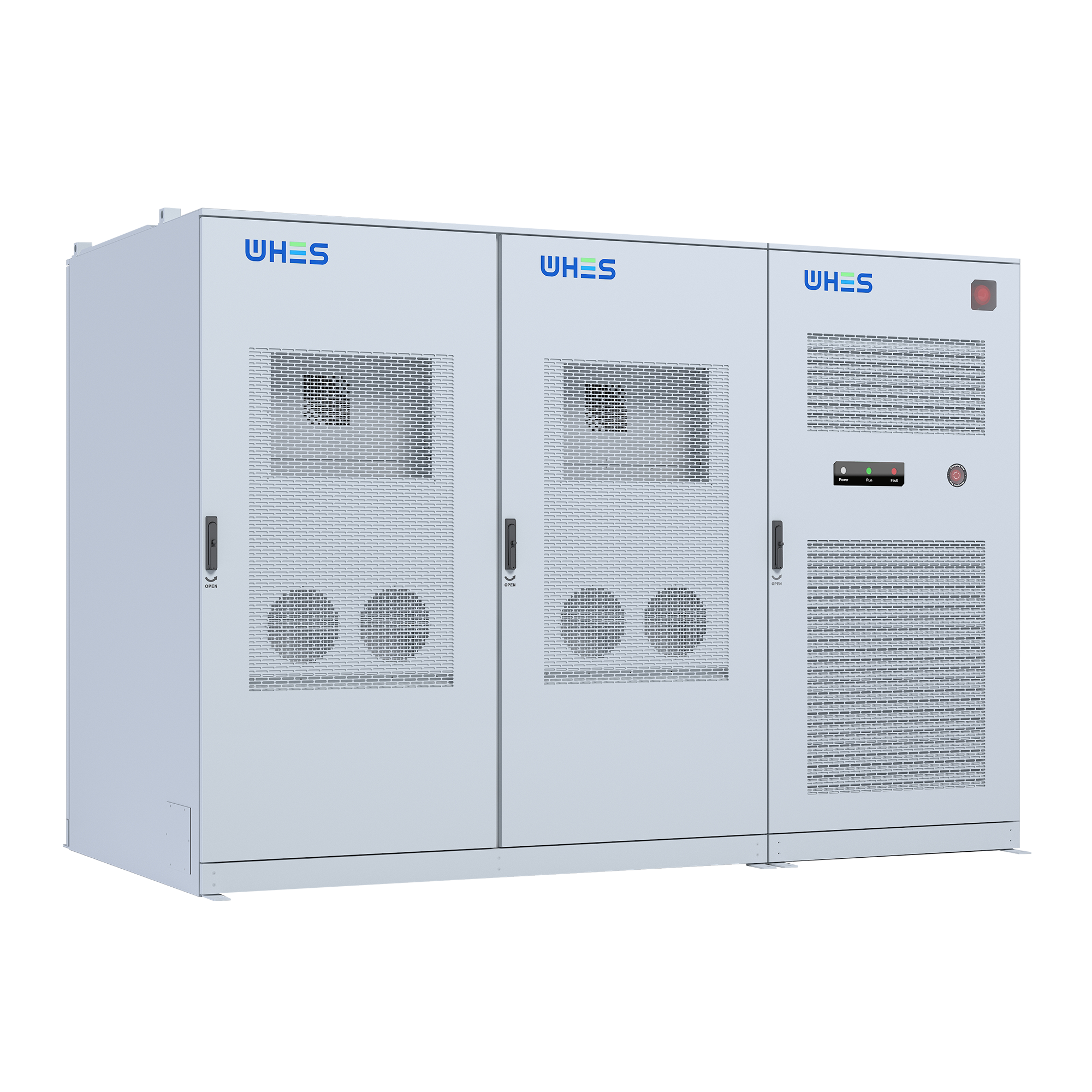
If you care about grid stability — and if you run a commercial site with on-site generation or storage, you should — the numbers tell the story. Instead of gut-feel engineering, a data-driven comparison of active and reactive power compensation rates gives you predictable outcomes: fewer tripped inverters, smoother frequency response, and better uptime for your loads. This is where hybrid systems that combine PV arrays with commercial battery storage really shine: they let you measure and tune droop curves and state-of-charge behavior under real dispatch conditions, not just in lab specs.
commercial battery storage

Core concepts, stated plainly

Let’s keep this simple. Droop control is a decentralized way for inverters to share load changes by adjusting output according to frequency shifts. Active power (P) affects frequency; reactive power (Q) affects voltage. A multi-megawatt three-phase hybrid inverter typically implements P-f and Q-V droop curves to balance contributions across multiple units. Terms to know: inverter, droop control, state of charge (SoC). Those three will anchor the rest.

What the data actually shows about compensation rates

Across field deployments, two patterns emerge. First, steeper active-power droop gains deliver faster frequency arrest but raise the risk of unwanted tripping when multiple devices react aggressively at once. Second, decoupling Q response from P dispatch—giving reactive power a dedicated, slower droop—stabilizes voltage without compromising frequency control. In practice, tuning looks like a trade-off: responsiveness vs. coordination. Metrics that reveal those trade-offs include rate-of-change-of-frequency (RoCoF) arrest time, voltage deviation range, and inverter ride‑through statistics.

Real-world anchor: lessons from grid events

Look at Texas during the February 2021 crisis: sudden generation loss and extreme frequency swings taught operators that aggregated inverter behavior matters. Sites running hybrid setups with controlled droop response were better able to limit frequency excursions and provide short‑term relief. That event pushed many commercial operators to spec grid-forming capabilities in their energy stacks — not just inverter firmware but also how the commercial energy storage system manages SoC and dispatch.

Practical test case: tuning a multi‑megawatt three‑phase hybrid inverter

Here’s a simplified test approach I recommend: run staged loss-of-generation and step-load tests while logging P, Q, frequency, voltage, and SoC. Start with conservative P droop (small slope) and modest Q support, then iterate toward the fastest RoCoF arrest that avoids nuisance trips. Use synchronized measurements so you can spot interaction effects between inverters — that’s where surprises live. Don’t forget to test normal operations and extreme events; both matter for commissioning.

Common tuning mistakes (and how to avoid them)

Teams often make the same missteps: they over-prioritize rapid active compensation and under-spec reactive support, or they ignore SoC limits during aggressive frequency response. Another frequent error is assuming identical behavior across different inverter models — firmware differences and thermals cause divergence. The fix is simple: instrument, log, and validate with your actual fleet. — Also, include planned degradation and seasonal SoC variability in your acceptance tests so your droop settings aren’t brittle.

Alternatives and trade-offs

If you want faster frequency arrest without complex tuning, grid-forming inverters with virtual inertia are an option — but they require careful thermal and SoC management. Alternatively, centralized control with a fast supervisory controller can coordinate P and Q across units, improving system-level outcomes at the cost of added communications complexity. Each path shifts where risk lives: firmware complexity vs. network dependency vs. battery cycling.

Deployment checklist for operators

Before you flip the switch, validate these items: synchronized measurement capability (phasor-level or high-resolution telemetry), SoC-aware dispatch logic, documented droop settings per unit, and a test plan covering both normal and extreme scenarios. Include clear ride-through acceptance criteria tied to frequency and voltage thresholds so procurement and operations teams are aligned.

Key takeaways

Data-driven tuning of active and reactive compensation gives you measurable benefits: fewer false trips, better voltage regulation, and optimized battery cycling. You’ll balance responsiveness against coordination risk, and real-world events show this balance matters. For many projects, pairing PV with a well-specified battery-backed inverter system reduces net risk and improves grid support capability — essentially the value proposition WHES brings when they design and deploy integrated solutions.

Three golden rules for choosing and tuning systems

1) Measure first, tune second: baseline system behavior under controlled disturbances before you set final droop gains. 2) Prioritize system-level metrics: RoCoF arrest time, maximum voltage deviation, and cumulative battery throughput (SoC cycling). 3) Design for coordination: ensure firmware, communications, and supervisory logic are tested together, not in isolation.
commercial battery storage

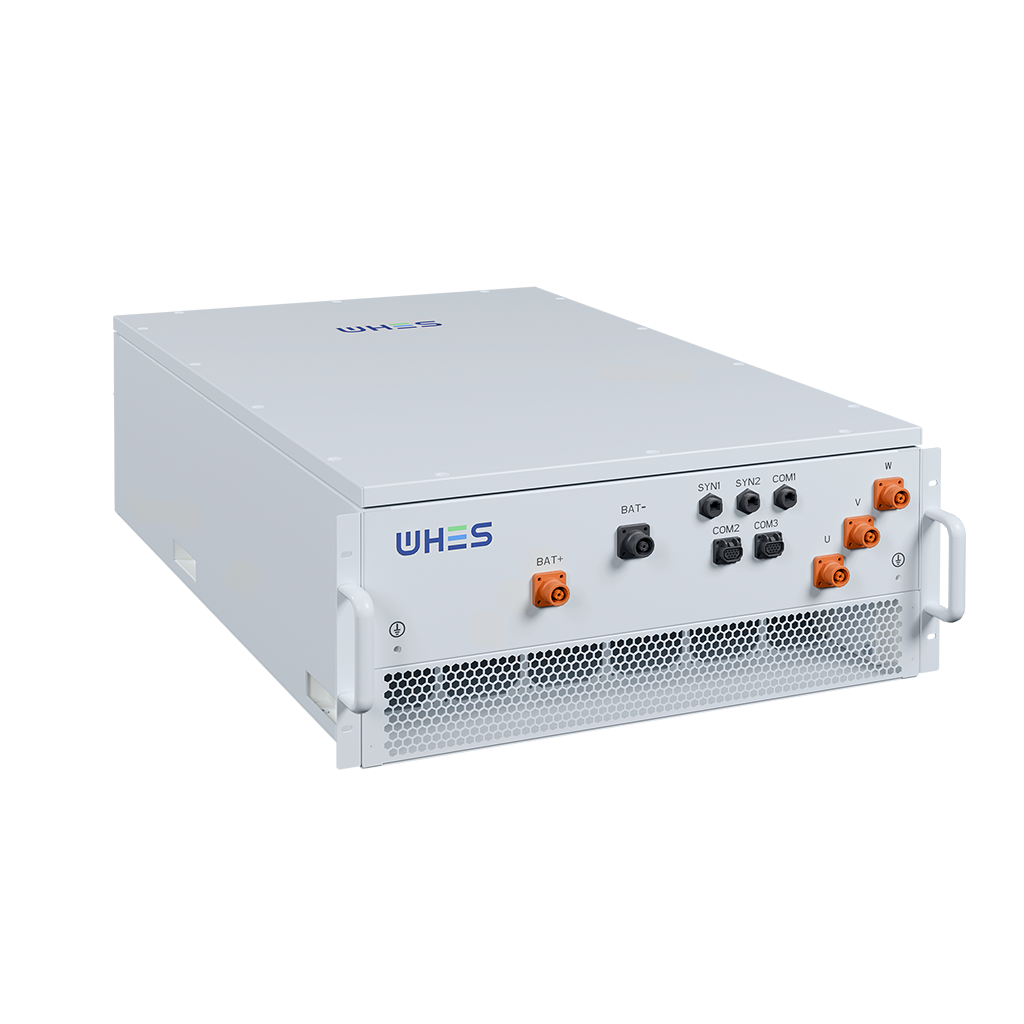
For site operators who want predictable, measurable grid support from hybrid solar plus storage, those rules point you toward partners who combine solid inverter control with real-world commissioning experience — which is exactly the kind of practical value WHES delivers. —

– tuned, trusted, tested

June 23, 2026 0 comments
0 FacebookTwitterPinterestEmail
Global Trade

Maximising Retail Reach and Brand Interaction: Strategic Use of DOOH Screens Across Commercial Spaces

by Katherine June 7, 2026
written by Katherine

Comparative lead-in: why venue choice changes everything

Retailers and brands now decide not only what to show, but where to show it — and that choice alters outcomes materially. A mall concourse drives different engagement than an airport gate or a stadium concourse; each demands distinct content cadence, hardware resilience, and audience assumptions. Installing an advertising outdoor led screen in a high-footfall transit hub, for example, trades long dwell-time metrics for repeat impressions among a mobile crowd. The contrast is central: DOOH placement is strategy, not decoration.

Venue profiles: strengths and trade-offs

Malls reward immersive visuals and seasonal storytelling — high-resolution creative benefits from tighter pixel pitch displays because shoppers pause and browse. Airports favour crisp legibility at distance, where brightness and a rapid refresh rate mitigate glare from large windows. Stadiums and arenas prioritise scale and durability; modular LED cabinets that withstand rapid installation cycles are typical. Times Square remains a useful anchor here: its billboards reach hundreds of thousands daily, illustrating how sheer exposure amplifies brand recall when technical choices match audience behaviour.

Technical considerations that shape performance

Two technical decisions tend to dominate outcomes: screen specification and content delivery. Pixel pitch determines perceived sharpness at intended viewing distance; choose too fine a pitch for a distant sightline and you pay unnecessarily. Brightness and refresh rate ensure legibility under changing light and during motion-intensive content. Finally, a reliable content management system (CMS) governs timing, localization and fault recovery — without it, even premium hardware underdelivers. These are not buzzwords but practical levers that affect cost per impression.

Comparing content strategies: static, dynamic, programmatic

Static creative still works for brand anchors, but dynamic content excels where audiences move quickly. Programmatic DOOH links audience signals to creative rotation — the goal is relevance, not only novelty. Pairing programmatic buys with high-quality hardware avoids two common mistakes: overspending on resolution that audiences never perceive and running generic creative that fails to capitalize on contextual moments. A short checklist helps:

– Match pixel pitch to average viewing distance. – Balance brightness with energy and maintenance profiles. – Use CMS schedules to target dayparts and local events.

Common mistakes and practical alternatives

Brands often assume bigger is always better; they invest in the largest screen available and neglect content optimisation — a costly mismatch. Another recurring error is ignoring maintenance access and service-level agreements for outdoor units. The alternative is a balanced brief that specifies hardware class, installation logistics, and a content plan. When budget limits size, invest instead in sharper creative, tighter motion design, and a tested CMS — these yield better engagement per dollar.

Advisory: three metrics to evaluate DOOH strategies

Choose evaluation metrics that reflect both reach and quality. First, dwell-adjusted impressions: raw impressions weighted by average time a viewer spends within visible range. Second, creative clarity score: a simple audit combining pixel pitch, viewing distance and ambient light to predict legibility. Third, operational uptime: the percentage of scheduled playtime the screen actually delivers; low downtime protects message continuity. These three give a clear, comparable picture when assessing locations or suppliers — and they highlight where QSTECH hardware and support reduce risk.

Final note: effective DOOH is a coordinated system of site, specification and story — choose each deliberately. advertising led display screen selection should follow the metric-driven brief above; align pixel pitch, brightness and CMS with the audience profile and you preserve both budget and impact.

Measure properly. Apply the three metrics above. Expect measurable uplifts where technical choices and creative strategy meet — and lean on partners that deliver reliable hardware, prompt service and sensible advice. QSTECH. Clear, tested, dependable.

June 7, 2026 0 comments
0 FacebookTwitterPinterestEmail
Global Trade

Eco-Friendly Sunglasses: The Smart Choice for a Sustainable Future

by Katherine March 11, 2026
written by Katherine

Understanding the Dilemma: Clarity or Responsibility?

I remember back in 2020 when I realised that my love for sunglasses was contributing to pollution. It’s funny, right? We wear them to protect our eyes, yet many pairs end up in landfills. Now consider this—did you know that over 1 billion plastic sunglasses are discarded every year? This raises the question: can we find stylish solutions that are also good for the planet? Enter eco-friendly sunglasses, or as I prefer to call them, sustainable glasses. They’re not just trendy; they protect our eyes without harming the earth.

The Flaws of Traditional Sunglasses

Most traditional sunglasses are made from cheap plastic and harmful materials. While they look good, they often lack durability and end up as waste quicker than you’d think. My friend once bought a pair that broke within a week. Total waste, right? That’s the problem with low-quality products—they’re designed for quick consumption, not sustainability. But here’s the kicker—finding durable and stylish shades doesn’t have to be a chore. Sustainable glasses are crafted from recycled materials like bamboo or eco-friendly acetate, offering both fashion and function. It’s like getting the best of both worlds whilst promoting better environmental practices. That’s what we call a win-win!

What’s the Future of Sunglasses?

Looking ahead, the trend is shifting significantly towards eco-conscious choices. More brands are recognizing the environmental responsibility of producing sunglasses sustainably. Plus, with rising awareness, customers are demanding transparency about the materials used. I know it sounds cliché, but today’s buyers really want to feel good about their purchases. If you think about it, investing in sustainable glasses not only supports responsible brands but also aligns with broader goals of reducing waste. As we transition toward a more environmentally conscious mindset, it’s essential to evaluate how products are made. Brands that use sustainable materials and ethical labour practices are paving the way for a more responsible future. Plus, they look just as chic as any designer pair!

Real-World Impact and Responsible Choices

As I look back at what I’ve learned about eco-friendly sunglasses, two key insights stand out. First, consumers wield significant power. By choosing to support sustainable brands, you influence companies to adopt greener practices. We need to be smart about where we spend our money.Second, the importance of materials cannot be overstated. Sustainable materials can help offset carbon footprints and reduce ocean pollution. It’s all about making mindful choices. Choose glasses made from recycled plastics or plant-based materials and educate others about their benefits. A few years ago, I switched to sustainable shades myself, and it felt good knowing I was making a difference—no guilt trips here!To sum it up, when picking sunglasses next time, remember to check the materials and the brand’s commitment to sustainability. Our choices matter, and by opting for sustainable glasses, we’re investing in more than just style; we’re securing a healthier planet for future generations. Let’s support brands that are paving the path towards a sustainable future, like JHEYEWEAR. Every little step counts!

March 11, 2026 0 comments
0 FacebookTwitterPinterestEmail

Recent Posts

  • Smart Hire, Less Waste: Rethinking Rental LED Display Price for Real-World Wins
  • Comparative Essentials for Selecting 3D Metal Printer Companies: A Practitioner’s View
  • From Models to Metrics: Comparing CRO Approaches to Immuno‑Oncology In Vivo Pharmacology
  • Choosing the Right Tackifier: Tackifying Resin versus Disproportionated Rosin for Biodegradable Adhesives | Komotac
  • When Sunlight Misbehaves: Rethinking Efficiency for PV Systems

Recent Comments

No comments to show.

Keep in touch

Facebook Twitter Instagram Pinterest Youtube Bloglovin

Recent Posts

  • Smart Hire, Less Waste: Rethinking Rental LED Display Price for Real-World Wins

    July 8, 2026
  • Comparative Essentials for Selecting 3D Metal Printer Companies: A Practitioner’s View

    July 8, 2026
  • From Models to Metrics: Comparing CRO Approaches to Immuno‑Oncology In Vivo Pharmacology

    July 7, 2026
  • Choosing the Right Tackifier: Tackifying Resin versus Disproportionated Rosin for Biodegradable Adhesives | Komotac

    July 6, 2026
  • When Sunlight Misbehaves: Rethinking Efficiency for PV Systems

    July 5, 2026
  • Taming Customs & Excise Chaos When Importing Bulk Blast 10K: A Problem-Driven Playbook

    June 30, 2026

Categories

  • Business (113)
  • Fashion Stylist (20)
    • Clients (6)
    • Inspirations (7)
    • Magazines (7)
  • Featured (6)
  • Global Trade (121)
  • Industry (97)
  • Market (111)
  • Tech (123)
  • Facebook
  • Twitter
  • Instagram
  • Pinterest
  • Youtube
  • Bloglovin
  • Snapchat

@2021 - All Right Reserved. Designed and Developed by PenciDesign


Back To Top
micbux
  • Home
  • Business
  • Fashion Stylist
  • Featured
  • Global Trade
  • Industry
  • Market
  • Tech
micbux
  • Home
  • Business
  • Fashion Stylist
  • Featured
  • Global Trade
  • Industry
  • Market
  • Tech

Recent Posts

  • Smart Hire, Less Waste: Rethinking Rental LED Display Price for Real-World Wins

    July 8, 2026
  • Comparative Essentials for Selecting 3D Metal Printer Companies: A Practitioner’s View

    July 8, 2026
  • From Models to Metrics: Comparing CRO Approaches to Immuno‑Oncology In Vivo Pharmacology

    July 7, 2026
  • Choosing the Right Tackifier: Tackifying Resin versus Disproportionated Rosin for Biodegradable Adhesives | Komotac

    July 6, 2026
  • When Sunlight Misbehaves: Rethinking Efficiency for PV Systems

    July 5, 2026
@2021 - All Right Reserved. Designed and Developed by PenciDesign