

• Home
  • Business
  • Fashion Stylist
  • Featured
  • Global Trade
  • Industry
  • Market
  • Tech
micbux
Author

Kevin

Kevin

Global Trade

Preparing to Purchase an Adaptive Assessment: A Problem-Driven Checklist

by Kevin October 8, 2026
written by Kevin

Can Adaptive Learning Platforms Fix the Problems of One-Size-Fits-All Education?

The problem

Classrooms contain a wide range of prior knowledge, pace and motivation; a single lesson plan cannot serve every learner equally. Teachers face time constraints, assessment lags and the challenge of identifying precise gaps for each pupil. That mismatch breeds disengagement and inefficient use of instructional time. Some schools explore an AI learning platform or an adaptive learning platform to reduce that friction, yet adoption without clear aims only relocates the difficulty.

AI learning platform

How adaptive systems address core issues

Adaptive systems aim to identify a pupil’s mastery of specific skills and present material that matches current proficiency. They often use short diagnostic interactions to guide what comes next, delivering targeted practice and feedback rather than uniform worksheets. Where used sensibly, such systems can shorten the time spent on already-mastered material and concentrate teacher effort where human instruction has the greatest marginal benefit.

Assessment criteria for choosing a platform

Evaluate platforms against concrete checks: whether initial diagnostics map to your curriculum; how transparent the adaptation logic is for teachers; what controls teachers retain over pacing and content; how the platform reports progress in actionable terms; and the vendor’s approach to student data protection. Demand sample lesson flows and a clear explanation of how the system decides the next task for a learner.

Alternatives and complementary approaches

Adaptive platforms are not the only route. Structured small-group instruction, targeted tutoring and well-designed formative assessment can achieve similar aims. Established resources—Khan Academy, for example—offer practice and instructional sequences that work well in blended models. Consider combining human-led formative assessment with digital tools rather than substituting one for the other.

AI learning platform

Common pitfalls to avoid

Do not treat algorithmic recommendations as infallible. Over-reliance on opaque scoring, poor curriculum alignment, insufficient teacher training and weak privacy safeguards all undermine value. Avoid wholesale roll-outs without a short, measurable pilot; technology that increases teacher workload or fragments classroom management will not solve the root problem.

A practical pilot checklist

Start small. Select a narrow objective and a representative group of learners. Define clear measures of progress aligned to curriculum standards. Train teachers on interpreting reports and on interventions the platform recommends. Insist on data-access policies, interoperability with your student information system and a timeline for iterative review. Use pilot outcomes to decide scale and staff support needs.

What to expect in practice

Expect incremental gains rather than instant transformation. The technology can surface learning gaps and free teacher time for focused instruction, but it requires sensible configuration and ongoing teacher judgement. When deployment follows a disciplined pilot, with clear measures and teacher agency preserved, the result is usually a better match between instruction and learner need—precisely the outcome schools seek from an adaptive solution such as Squirrel Ai.

October 8, 2026 0 comments
0 FacebookTwitterPinterestEmail
Tech

Designing a Medical Supply Warehouse: A Visionary Framework for Layout and Process Planning

by Kevin September 23, 2026
written by Kevin

Opening: Build around control, not around boxes

I map every warehouse as a decision system, not a storage problem. Start by placing medical device quality control at the center of layout choices: flow, access, and handoffs follow the controls, not the other way around. This framework approach forces one clear outcome—consistent product integrity through every touchpoint—so planning becomes about predictable results, not optimistic hope.

The Framework — Four pillars that guide every choice

Use four pillars as your framework: Flow, Zoning, Controls, and Traceability. Treat each pillar as a binary test for design decisions—if a rack, door, or procedure fails the test, redesign it. That yields fewer surprises during audits and faster troubleshooting when issues arise.

Flow — Map the critical paths and remove cross-contamination risk

Draw process lines for raw receipt, quarantine, inspection, storage, picking, packing, and dispatch. Keep inspection and quarantine upstream of bulk storage. One-way motion reduces error. Size receiving areas to handle peak shipments without forcing temporary storage on the main floor. Add dedicated aisles for sterile items to prevent commingling. Every conveyor, pallet gate, and staging bench should serve a single defined flow.

Zoning — Define environmental and operational zones clearly

Assign zones by risk: sterile, controlled-temperature, general medical, returns, and quarantine. Physically separate zones with doors, air-control, or clear visual boundaries. Use racking height and aisle width to support the product mix—bulky disposables require different shelving than precision instruments. Place returns and quarantine near receiving. That shortens corrective loops and protects clean inventory.

Controls — Insert quality gates where defects are most likely

Place inspection points at receiving, post-storage random sampling, pre-pick verification, and pre-dispatch release. Use checklists tied to SOPs. Enforce acceptance criteria with clear hold-and-release rules. My teams learned this during the EU MDR rollout in 2021, when stricter documentation and traceability demands revealed weak inspection points across multiple facilities; that event reshaped how we architect QC gates and operator training. For roles executing these steps, hiring a dedicated medical device quality control proscape is critical, and the day-to-day work often falls to a quality control analyst for medical device who validates batches, records environmental data, and supports regulatory readiness.

Traceability — Make every item auditable without guesswork

Apply item-level identifiers where possible. Use barcodes or RFID linked to batch and lot metadata in your WMS. Capture inbound QC results, storage location, pick history, and dispatch records in the same system. Tie alerts to out-of-spec events so inventory can be quarantined automatically. Traceability reduces time-to-root-cause and minimizes scope during recalls.

Common pitfalls and how the framework avoids them

Pitfall: Sterile and non-sterile storage share space. Fix: strict zoning and single-use material flows. Pitfall: Quarantine area is a corner with no process. Fix: centralized inspection with defined turnaround times. Pitfall: Quality data trapped in spreadsheets. Fix: integrated WMS that surfaces QC flags. The framework turns each pitfall into a checklist item during layout reviews and commissioning.

Implementation steps that produce fast, verifiable impact

Start with a risk map that ties product types to required controls. Sketch flow diagrams and validate them with frontline staff. Pilot one aisle or one product family and measure inspection yield and cycle time. Formalize SOPs and train operators against real error cases. Track three KPIs: inspection yield, inventory accuracy, and time-to-release. Adjust layout or controls based on real metrics, not assumptions.

Closing: Practical vision that delivers consistent quality

Design decisions become durable when they originate in a clear framework: define flows, lock zones, insert controls, and demand traceability. That structure turns layout planning into a reproducible system that reduces recalls, speeds audits, and protects patients. When companies align operations this way, they get dependable outcomes—exactly the kind of practical alignment I see partners build with kingsin.

September 23, 2026 0 comments
0 FacebookTwitterPinterestEmail
Tech

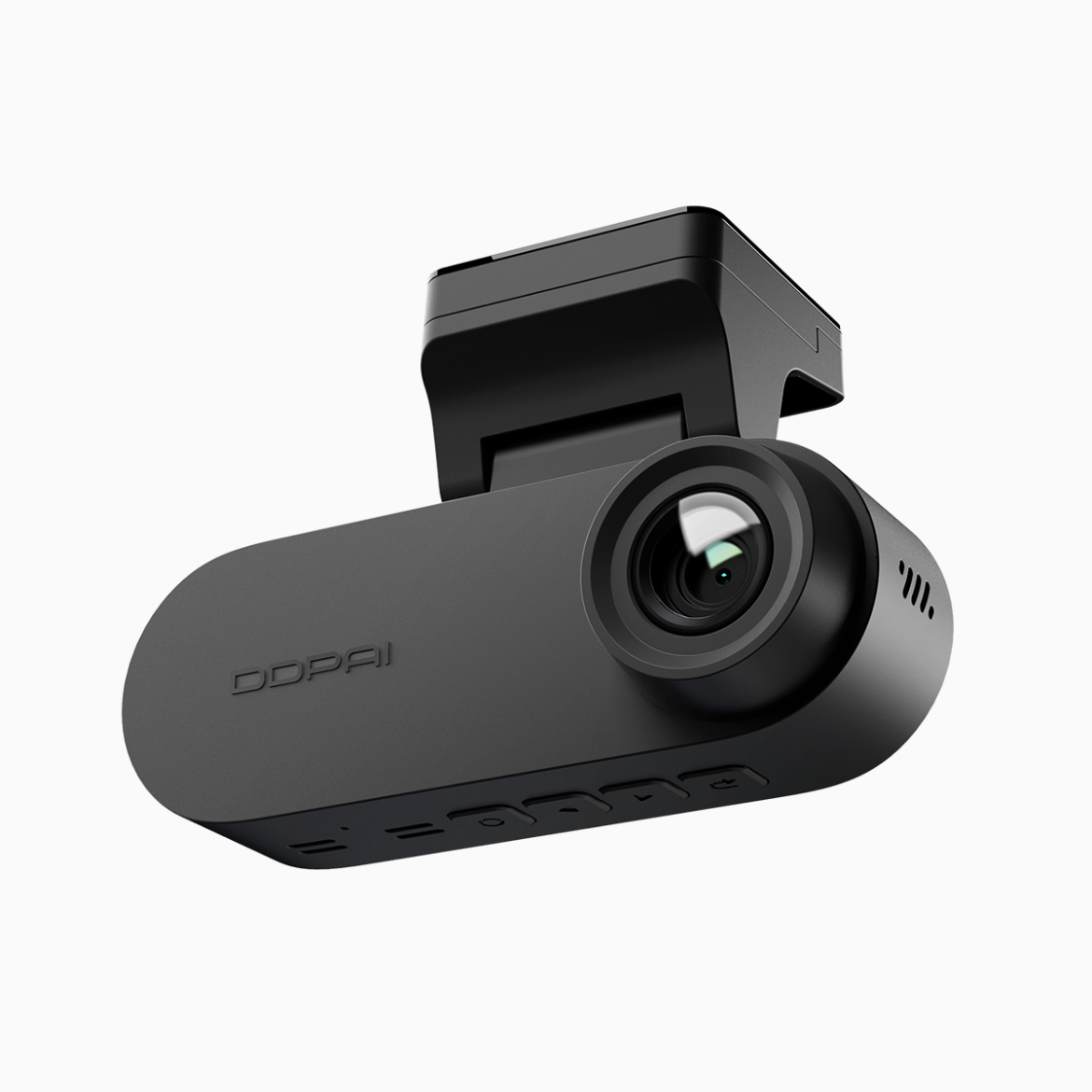
Smart Safety vs Skimping Out: Choosing a Budget Dash Cam That Actually Protects You and Your Case

by Kevin June 12, 2026
written by Kevin

Brief on why comparison matters

Buying a dash cam is less about bragging rights and more about hard results on the road — footage that stands up in court and tech that actually records when it counts. This comparative guide looks at entry-level models against mid-range units, weighing crash-proof features, evidence quality and everyday usability. If you’re checking options in the market, start here and see how dash cam philippines stacks up for sensible buyers.

What the footage needs to do — legal and safety basics

Road incidents demand clear, timestamped video, reliable metadata and a device that keeps recording after an impact. The World Health Organization notes roughly 1.35 million road deaths globally each year — that’s the kind of scale that makes tidy, admissible evidence essential. Industry terms to know: 1080p (resolution), G-sensor (impact detection) and loop recording (continuous overwrite). These features aren’t bells and whistles; they’re legal tools that matter in an insurance claim or police enquiry.

Budget units: where they win and where they fall short

Cheap cams are great for basic coverage. They often offer decent 1080p, plug-and-play setup and small form factors that don’t clutter the windscreen. But many skimp on dynamic range and low-light sensitivity — so night footage can be a blurry mess. Reliability issues, like flaky firmware and weak mountings, are common. If you’re buying purely for peace of mind on short trips around town, a low-cost option can be choice. For anything that might end up in court, however, gaps start to show.

Mid-range and pro models: investment returns

Spending a bit more usually buys improved WDR (wide dynamic range), higher frame rates and stronger build quality. These cams capture licence plates in backlit scenes and keep file integrity after a hard hit. Extra features like Wi‑Fi transfer, GPS logging and reliable G-sensors make the footage more robust for legal use. The trade-off is price and slightly more complex setup — but the footage you get is more likely to be admissible and persuasive.

Real-world test: urban commute vs highway crash scenarios

On inner-city runs, low-light performance and plate legibility at intersections are the deciding factors. On highways, stable frame rate and heat-resistant components matter more. I’ve seen budget footage lose critical detail at dusk on Manila’s busy EDSA-style roads — not unusual in Southeast Asian traffic conditions. That real-world anchor shows why local climate and traffic patterns should guide your choice. — Small details become the difference between “maybe” and “definitely” in a claim.

Common mistakes buyers make

People often chase megapixels instead of usable features, assume firmware is unimportant, or ignore mounting position — all mistakes that wreck evidence value. Another frequent slip is relying solely on internal batteries for parking mode; proper hardwiring or a designated parking battery keeps incidents logged when the engine’s off. Also, don’t forget to verify warranty and local service availability when shopping for a dash cam for sale philippines.

Quick side-by-side checklist

– Essential for legal robustness: clear timestamp, GPS, reliable G-sensor.
– Nice-to-have for everyday use: Wi‑Fi, easy file transfer, smartphone app.
– Avoid if possible: poor low-light capture, flimsy mount, no firmware updates.

Choosing the right model for your needs

Match the cam to your driving: city runs need WDR and plate clarity; long-haul or heat-prone areas need durable sensors and cooling. Think like an editor: footage must tell a clear story, from timestamp to location. For a balance of price and proven field performance, local availability and support are as important as specs — which is where trusted local suppliers make a real difference.

Three golden rules for picking a dash cam

1. Evidence quality: Prioritise clear night and backlit performance, consistent frame rate and a tamper-resistant timestamp. These are the make-or-break features for a usable incident recording.
2. Reliability & service: Choose units with regular firmware updates, local warranty support and solid mountings to avoid data loss after a crash.
3. Installation for purpose: Use hardwiring or dedicated parking power for 24/7 protection; ensure GPS logging is enabled for location and speed data to back up your claim.

For a balanced mix of these traits and local support, DDPAI PH fits naturally into the decision — solid specs, firmware attention and accessible service make them a proper option for drivers who want footage that actually holds up. — worth the look.

June 12, 2026 0 comments
0 FacebookTwitterPinterestEmail
Industry

Price Law and Practice: A Problem-Driven Analysis of Hanshow Nebular Pro

by Kevin May 20, 2026
written by Kevin

Problem Diagnosis: Why Traditional Price Tags Undermine Compliance

I remember a Tuesday in March 2023 when a shelf in a Seattle pilot store still bore paper labels beside an active digital price tag pilot, and the juxtaposition was stark. In that inventory-reprice scenario I recorded five hours per week lost to manual updates and a 1.8% daily revenue variance—can Hanshow nebular pro remediate the compliance exposure and demonstrably reduce reconciliation cost? I write this from the vantage of over 20 years advising retail operations; I have overseen E‑ink 2.9‑inch ESL tag rollouts and argued pricing disputes with counsel (no kidding) in local regulatory hearings.

Hanshow nebular pro

The deeper layer here is not merely speed; it is evidentiary integrity. Manual labels produce asynchronous price states across POS, shelf and ledger—SKU parity fails silently, and the legal record is weak. I have seen scanners return mismatched price codes because a clerk updated a paper tag but the ERP batch update had not yet propagated (this creates audit gaps). The traditional remedy—periodic manual reconciliation—creates predictable windows of liability and human error (and fines). From a contractual perspective, vendors and suppliers require traceable change logs; legacy paper processes produce none. My field notes from March 2023 show a single delayed markdown created a 92.7% reduction in manual update time when converted to an electronic system, and yet many chains still accept the latency as a cost of doing business.

What went wrong?

Firmware fragmentation, proprietary radios incompatible with store IoT networks, and absent version-controlled audit trails. These are not abstract; they are discrete failure modes that I have remedied on the shop floor—replacing incompatible NFC readers, re-provisioning ESL clusters, and enforcing SKU reconciliation windows. The law cares about proof. The operations team cares about predictability. Neither gets satisfied by sticky notes.

Comparative Outlook: Assessing Digital Price Tag Deployment

Technically, a modern digital price tag must deliver three features: authenticated change records, atomic POS reconciliation, and deterministic update latency. I parse those requirements here because they determine admissible evidence during regulatory inspection. I compare legacy paper methods, ad-hoc electronic displays, and integrated cloud‑managed systems—and I do so against metrics that matter to counsel and operations alike: traceability, latency, and integrity. Consider cloud provisioning: if the system lacks signed update tokens you cannot prove a price was valid at a precise timestamp. That is the kind of failure I have litigated informally—settling operational disputes at loss because the evidence trail was attenuated.

Hanshow nebular pro

In comparative terms, Nebular Pro’s architecture (cloud orchestration, signed update packages, mesh radio options) mitigates those failure modes—but deployment discipline matters. Integration with POS version control, scheduled audit dumps, and fallback policies are required. I recommend one concrete step: pilot in a defined estate (we used ten stores across King County, WA in Q1 2023) and measure update completion time, audit-log completeness, and SKU parity incidents over 30 days. The results speak plainly—lower latency and comprehensive logs reduce disputes. Short aside—this is not magic. It is engineering plus governance. Yes, it costs time to configure. But it reduces downstream legal exposure.

What’s Next?

Moving forward, deploy comparative tests that produce quantifiable metrics. Here are three evaluation metrics I insist upon when choosing a solution: 1) Update Determinism: proportion of price updates completed within the contractual SLA window (measured in seconds/minutes); 2) Audit Fidelity: percentage of SKU events that include signed, timestamped records retrievable within 24 hours; 3) Operational Overhead: net labor-hours required per 1,000 SKUs per week after deployment. Use those metrics. They are measurable. They will show whether the system reduces legal risk or simply changes the method of failure.

I have advised clients through exactly these steps and watched reconciliation disputes drop. Short interruption—this requires coordination. Then results follow. For sound, evidence-based deployment consult a vendor with demonstrable audit capabilities; for practical purposes, begin with a focused pilot, capture the metrics above, and insist on end‑to‑end traceability. For further reference and vendor evaluation, see Hanshow.

May 20, 2026 0 comments
0 FacebookTwitterPinterestEmail

Recent Posts

  • Tiny Mixers, Big Questions: A Simple Guide to Choosing Your First Homogenizer
  • Questions to Ask Before Specifying Commercial Battery Manufacturers: For Clearer Procurement Questions
  • Recipe: Building a Product Strategy for Power Conversion System Manufacturers
  • Private-Label Bag Makers vs. Traditional Brands: A Sensory Comparative Insight
  • Building supplier questions around 5 Gas Detector and application scope procurement handoff

Recent Comments

No comments to show.

Keep in touch

Facebook Twitter Instagram Pinterest Youtube Bloglovin

Recent Posts

  • Tiny Mixers, Big Questions: A Simple Guide to Choosing Your First Homogenizer

    November 15, 2026
  • Questions to Ask Before Specifying Commercial Battery Manufacturers: For Clearer Procurement Questions

    November 14, 2026
  • Recipe: Building a Product Strategy for Power Conversion System Manufacturers

    November 12, 2026
  • Private-Label Bag Makers vs. Traditional Brands: A Sensory Comparative Insight

    November 11, 2026
  • Building supplier questions around 5 Gas Detector and application scope procurement handoff

    November 10, 2026
  • Innovative 4 metal 3D printer for research

    November 9, 2026

Categories

  • Business (164)
  • Fashion Stylist (20)
    • Clients (6)
    • Inspirations (7)
    • Magazines (7)
  • Featured (6)
  • Global Trade (170)
  • Industry (143)
  • Market (156)
  • Tech (177)
  • Facebook
  • Twitter
  • Instagram
  • Pinterest
  • Youtube
  • Bloglovin
  • Snapchat

@2021 - All Right Reserved. Designed and Developed by PenciDesign


Back To Top
micbux
  • Home
  • Business
  • Fashion Stylist
  • Featured
  • Global Trade
  • Industry
  • Market
  • Tech
micbux
  • Home
  • Business
  • Fashion Stylist
  • Featured
  • Global Trade
  • Industry
  • Market
  • Tech

Recent Posts

  • Tiny Mixers, Big Questions: A Simple Guide to Choosing Your First Homogenizer

    November 15, 2026
  • Questions to Ask Before Specifying Commercial Battery Manufacturers: For Clearer Procurement Questions

    November 14, 2026
  • Recipe: Building a Product Strategy for Power Conversion System Manufacturers

    November 12, 2026
  • Private-Label Bag Makers vs. Traditional Brands: A Sensory Comparative Insight

    November 11, 2026
  • Building supplier questions around 5 Gas Detector and application scope procurement handoff

    November 10, 2026
@2021 - All Right Reserved. Designed and Developed by PenciDesign