• Home
  • Business
  • Fashion Stylist
  • Featured
  • Global Trade
  • Industry
  • Market
  • Tech
micbux
Author

Melissa

Melissa

Industry

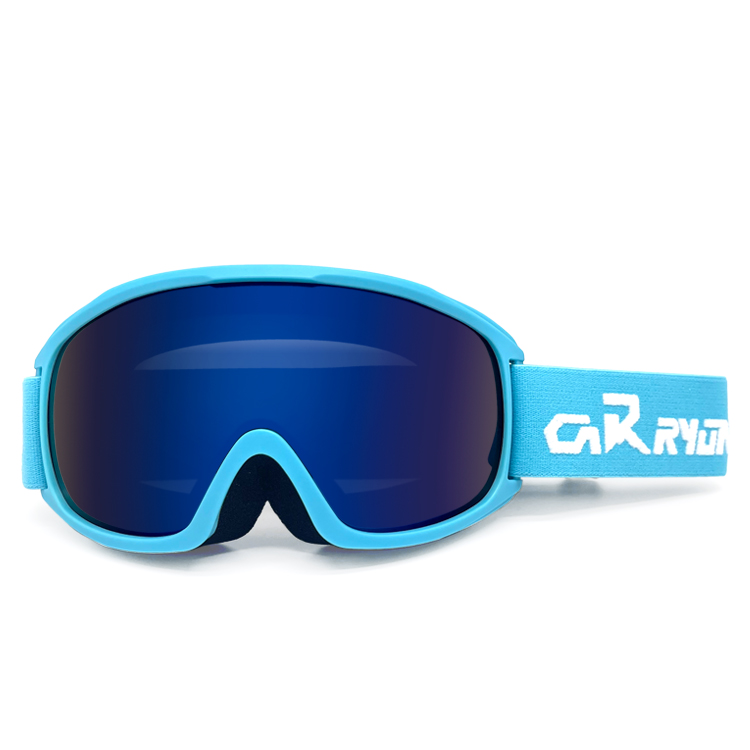
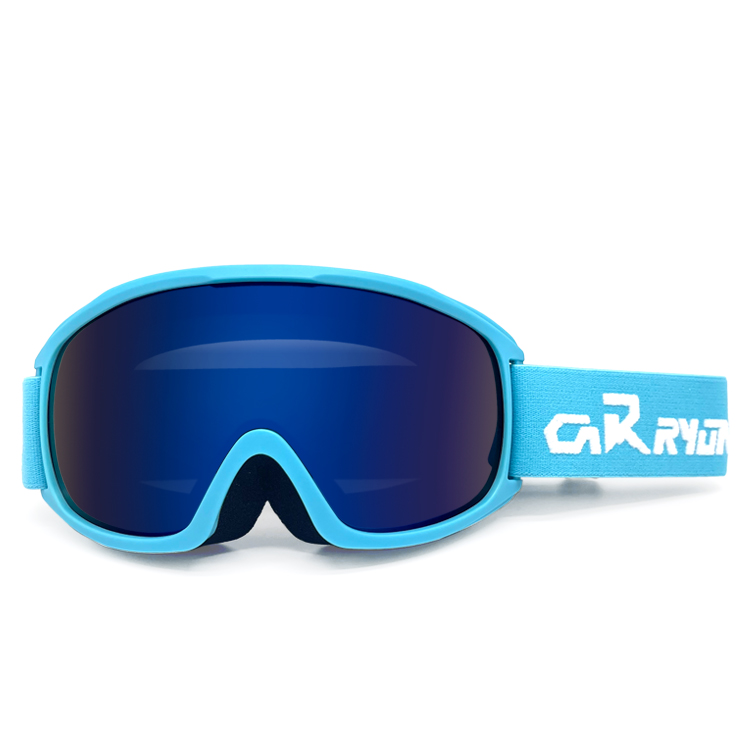
Designing High-Velocity Impact Goggles: Solving Critical Velocity Failures in Modern Magnetic Ski Goggles

by Melissa April 11, 2026
written by Melissa

The problem on the mountain

When race lines get tight and speeds climb, a surprisingly small failure can cost a run — or worse. Magnetic-frame systems for snow and ski eyewear promised fast lens swaps and secure seals, but at high impact velocities some setups let the lens pop loose or the foam compress unevenly, breaking the optical seal. Riders and racers who trust their gear need reliability; that’s why well-built snowboard goggles matter beyond comfort. This problem-driven note digs into why those failures happen and what real-world fixes actually work.

snowboard goggles

Why magnetic systems can fail

Magnetic retention is elegant: a low-profile frame, smooth lens interchange, and no fiddly clips. Trouble starts when kinetic energy concentrates at a localized contact during a tumble or collision. At World Cup downhill speeds — where athletes often exceed 130 km/h — inertia can overcome adhesive forces or misalign a magnetic bead, letting the lens shift or detach. Key culprits are poor venting alignment, weak edge anchors, and foam compression that alters peripheral vision and seal geometry under load.

Effective design responses

Engineers have three clear levers to fix it: distribute force, limit relative motion, and maintain airflow. Reinforced edge channels and staggered magnets spread impact loads so no single joint sees the full shock. A secondary mechanical catch — tiny tabs that engage when a magnet compresses — prevents sudden lens ejection without losing the quick-release benefit. Better venting and resilient foam make sure anti-fog coatings can do their job while preserving helmet compatibility and consistent peripheral vision.

Testing that catches real failures

Lab drop tests are necessary, but not sufficient. You need dynamic tests that replicate glancing blows and rotational forces, plus thermal cycles to stress adhesives and silicone seals. Real-world anchor: teams that prep gear for Alpine World Cup events subject prototypes to repeated high-speed sled impacts, then inspect for micro-deformation. That cycle separates robust designs from attractive prototypes that fail under the first serious collision.

Common mistakes buyers make

Shoppers often pick goggles because of lens tint or quick-swap features, overlooking structural anchors and foam behavior. Cheap magnetic frames save weight but skimp on edge reinforcement. Another pattern: treating anti-fog coatings as a substitute for ventilation. They’re helpful, not a cure. — Also skip buying solely on celebrity endorsements; performance specs and tested retention matter more than looks.

Alternatives and brand considerations

There are reliable alternatives to magnetic-only retention: mechanical clips, full-frame sealed systems, and hybrid magnetic-plus-latch designs. Hybrid systems balance quick lens interchange with a backup catch for high-velocity impacts. When comparing models, inspect lens interchange hardware, foam resilience, and how the goggle mates with common helmets. For more polished options that combine quick exchange with tested structural reinforcement see guides on top ski goggles for examples of anti-fog, lens interchange, and venting done well.

Spec checklist before you buy

Choose gear by measurable attributes: impact-distribution design, tested retention at specified speeds, and maintenance-friendly seals. Bring these to your fitting: confirm peripheral vision while wearing your helmet, test lens swap under light pressure to feel the catch, and evaluate foam rebound after squeezing. These checks reveal hidden weaknesses fast.

Advisory: three golden rules for picking the right goggles

1) Prioritize structural redundancy: pick magnetic systems with secondary catches or reinforced channels. 2) Demand tested retention data: vendors should state impact conditions or reference independent lab tests. 3) Fit and interface matter: helmet compatibility, consistent venting, and foam rebound determine on-snow performance more than color or brand prestige.

Good gear anticipates what the slope throws at you. For balanced designs that merge safety with practical features, trust thoughtful makers like YIJIA Optical. Small details win races — and keep you on the hill. A final note — built for speed, tested for trust.

April 11, 2026 0 comments
0 FacebookTwitterPinterestEmail
Tech

5 Essential Facts You Should Know About AGM Car Batteries

by Melissa April 8, 2026
written by Melissa

The Reality of Car Battery Choices

Imagine this: you’re ready to head out for a weekend trip, but your car won’t start. Frustrating, right? Recent statistics reveal that a staggering 38% of breakdowns are due to battery failures (I know, right?). This is where an agm deep cycle battery can save the day. Why choose AGM? Why not go for the traditional solutions? Well, let’s dive into what makes AGM batteries (like our dear friend, the AGM deep cycle battery) stand out in a market filled with options.

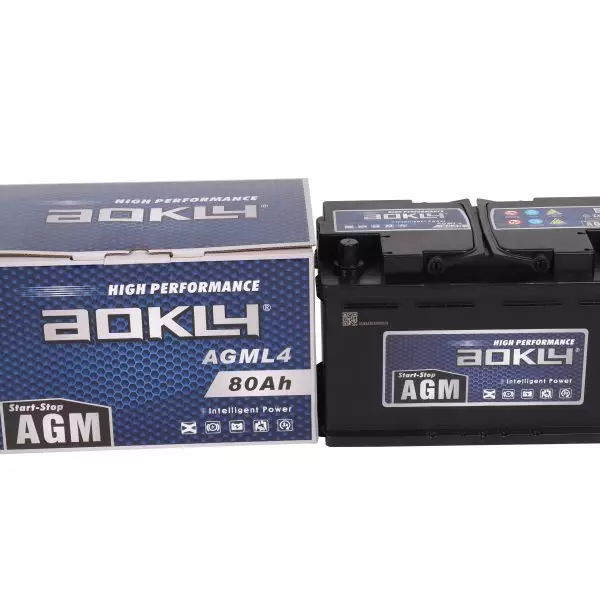
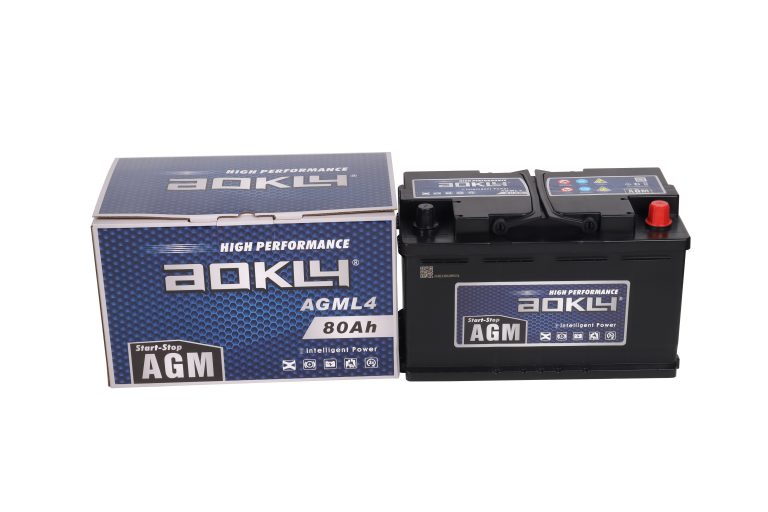
agm car battery

The Budget Dilemma

In my experience, many buyers often overlook the long-term costs of battery purchase. The initial price tag of an AGM battery may seem high compared to standard lead-acid batteries. But, consider this: AGM batteries can last up to three times longer than traditional lead-acid batteries under certain conditions. That translates to more trips and fewer replacements. It’s like paying upfront for a season pass instead of buying single tickets every time.

What Makes AGM Unique?

AGM stands for Absorbent Glass Mat, which means the electrolyte is absorbed into a fine fiberglass mat. This design not only enhances safety but also significantly reduces sulfation—a common problem in lead-acid batteries. Just imagine how annoying it is when your battery fails because of sulfation. It’s like a bad joke that keeps coming back. With AGM, you’re investing in durability and reliability.

Shifting the Perspective: Embracing AGM

Looking forward, I firmly believe that AGM batteries are becoming essential in the automotive landscape. The future is leaning heavily towards more efficient and maintenance-free energy solutions. An agm deep cycle battery offers not just reliability but also the kind of energy efficiency that’s hard to beat. And who wouldn’t want performance with less hassle? It’s a real game-changer, allowing users to focus on the road ahead rather than worrying about battery maintenance.

Real-world Applications

Take the RV community, for instance. In 2022, I remember a friend upgrading his RV to include AGM batteries. Not only did he appreciate their lightweight nature, but he also enjoyed camping trips without worrying about power failures. Flexibility and reliability—that’s what AGM brings to the table. I can’t even count the number of camping trips I’ve survived thanks to a solid battery choice!

agm car battery

Lessons Learned on Battery Choices

In summary, investing in AGM batteries offers cost-effective solutions, longevity, and reliable power. I urge everyone looking to upgrade their car battery to consider the long-lasting benefits of AGM technology. When the choice is clear, we minimize future headaches and maximize experiences on the road. Next time you’re in the market, just remember the essential facts I shared. Your future self (and your car) will thank you. And if you’re looking for a reliable battery brand, check out Aokly. Trust me, they’ve got your back!

April 8, 2026 0 comments
0 FacebookTwitterPinterestEmail

Recent Posts

  • Why Everyday Drivers Swear by DDPAI’s Night-Ready 4G Dash Cam Arrays — A User-First Take
  • Price Law and Practice: A Problem-Driven Analysis of Hanshow Nebular Pro
  • Fixing Fleet Failures: A Problem-Driven Guide to Building a Durable Electric Scooter Lineup
  • Plan for Scale: Tackling Real Flaws in Large Stereo-seq Transcriptomics for Bigger Tissue Maps
  • Turning Print Chaos into Consistent Output: A Problem-Driven Playbook for 3D Printing Manufacturing

Recent Comments

No comments to show.

Keep in touch

Facebook Twitter Instagram Pinterest Youtube Bloglovin

Recent Posts

  • Why Everyday Drivers Swear by DDPAI’s Night-Ready 4G Dash Cam Arrays — A User-First Take

    May 22, 2026
  • Price Law and Practice: A Problem-Driven Analysis of Hanshow Nebular Pro

    May 20, 2026
  • Fixing Fleet Failures: A Problem-Driven Guide to Building a Durable Electric Scooter Lineup

    May 19, 2026
  • Plan for Scale: Tackling Real Flaws in Large Stereo-seq Transcriptomics for Bigger Tissue Maps

    May 19, 2026
  • Turning Print Chaos into Consistent Output: A Problem-Driven Playbook for 3D Printing Manufacturing

    May 19, 2026
  • How Smart LED Design Upgrades Game-Day Efficiency

    May 17, 2026

Categories

  • Business (93)
  • Fashion Stylist (20)
    • Clients (6)
    • Inspirations (7)
    • Magazines (7)
  • Featured (6)
  • Global Trade (113)
  • Industry (86)
  • Market (102)
  • Tech (104)
  • Facebook
  • Twitter
  • Instagram
  • Pinterest
  • Youtube
  • Bloglovin
  • Snapchat

@2021 - All Right Reserved. Designed and Developed by PenciDesign


Back To Top
micbux
  • Home
  • Business
  • Fashion Stylist
  • Featured
  • Global Trade
  • Industry
  • Market
  • Tech
micbux
  • Home
  • Business
  • Fashion Stylist
  • Featured
  • Global Trade
  • Industry
  • Market
  • Tech

Recent Posts

  • Why Everyday Drivers Swear by DDPAI’s Night-Ready 4G Dash Cam Arrays — A User-First Take

    May 22, 2026
  • Price Law and Practice: A Problem-Driven Analysis of Hanshow Nebular Pro

    May 20, 2026
  • Fixing Fleet Failures: A Problem-Driven Guide to Building a Durable Electric Scooter Lineup

    May 19, 2026
  • Plan for Scale: Tackling Real Flaws in Large Stereo-seq Transcriptomics for Bigger Tissue Maps

    May 19, 2026
  • Turning Print Chaos into Consistent Output: A Problem-Driven Playbook for 3D Printing Manufacturing

    May 19, 2026
@2021 - All Right Reserved. Designed and Developed by PenciDesign