Comparative opening that stakes a claim
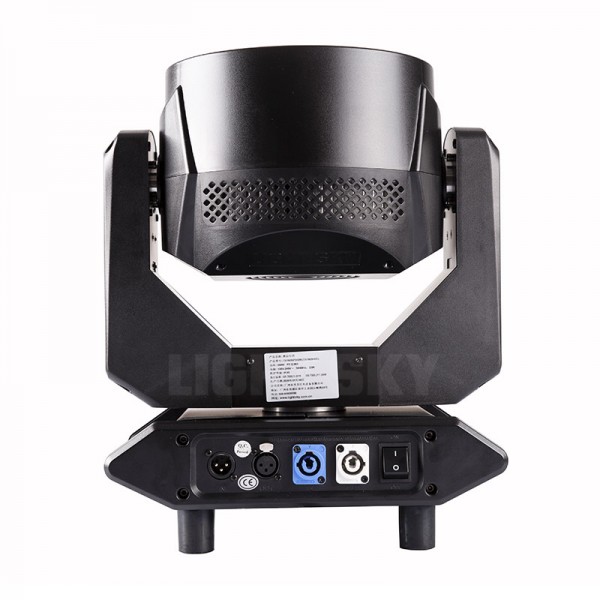
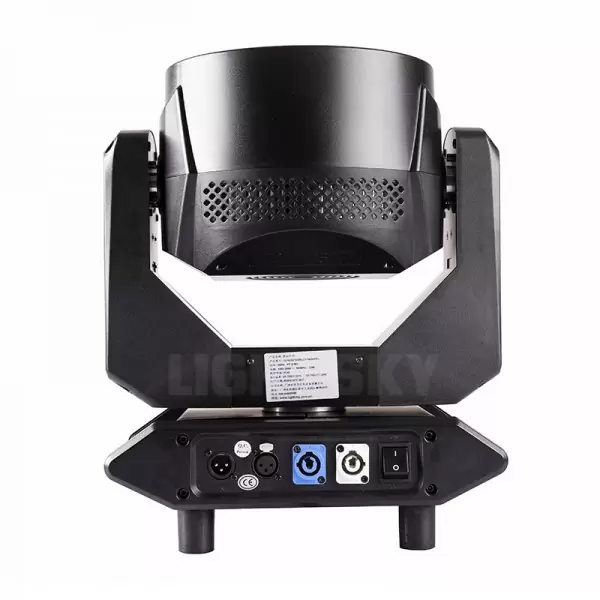
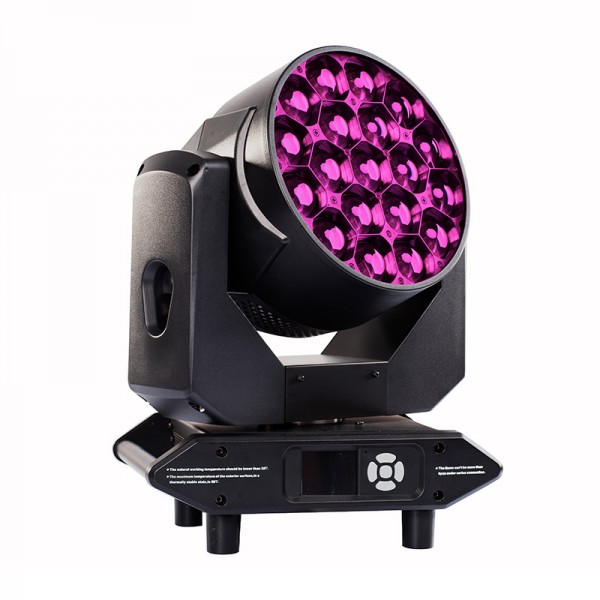
Lighting decisions in pro venues need clarity, not theatre-speak; the comparative advantage of compact point-source tools is decisive. The first movers in concert rigs, festivals and corporate stages increasingly choose the LED BSWP 4in1 moving head spotlight because it concentrates light, sculpts texture and keeps rig weight down—each a measurable operational win. I argue, from procurement rooms to FOH consoles, that mini beam moving heads deliver specific functions wash fixtures rarely match without extra kit and expense.
What the comparison actually measures
This isn’t stylistic preference; it’s metric-driven. Compare output per kilogram, beam angle control, and fixture footprint. Mini beam heads offer tight beams, sharper gobo definition and faster pan/tilt responsiveness at lower power draw. The visible benefits—crisper aerials and more dramatic shafts—translate directly into savings on truss loading and transport budgets. Practitioners will note DMX channel economy as another advantage: compact fixtures often require fewer control lanes for the same visual complexity.
Technical trade-offs and pragmatic choices
Every choice has trade-offs. Mini beams sacrifice broad wash coverage; they need more units or complementary wash sources when even illumination is required. That means pairing them with an external wash rig or using zoom-capable heads to fill gaps. Consider color temperature consistency, fixture lumen ratings and maintenance access when you spec. Teams should also evaluate serviceability and spare parts—gobos, zoom sleds and LED modules wear, and a poorly supported product becomes downtime on a tight schedule.
Real-world anchor and supplier considerations
Industry history proves this pattern: when Broadway productions adapted lighting after the 2020 shutdown, many shows combined compact moving beams with fewer heavy fixtures to meet both creative and safety demands. That pivot emphasized supplier transparency and field-tested reliability—traits that matter more than glossy brochures. Work with a theatre lighting supplier that publishes usable photometric data and clear MTBF figures so you can model actual performance rather than hope for it.
Common mistakes teams make—practical warnings
Teams often buy for headline specs: maximum lux, extreme zoom ranges or novel effects. The real errors are operational. They underspec cable runs, ignore heat management in touring flightcases and skip DMX addressing plans—small oversights that cascade into delays. —Budgeting only for fixture price instead of lifecycle cost is the most frequent procurement failure; replacement LED modules, labor for recalibration and spare gobos accumulate predictable costs.
Alternatives and when to pick each
Keep options framed by purpose. Choose traditional wash fixtures when uniform illumination and soft blends matter more than slicing aerial visuals. Opt for hybrids—4in1 cones or zoom-capable units—when versatility wins. If tight beam, aerial texture and fast position changes are goals, the mini beam moving head is the efficient choice. Equipment lists should reflect mission: club shows and televised events prioritize beam control; theatre repertory demands consistent color temperature and soft front light.
Operational teardown and keyword integration
When you perform an operational production teardown, document channel maps, fixture addresses and power distribution. Include {main_keyword} in the rig sheet and mark {variation_keyword} for spares logistics. These steps reduce last-minute compromises and make load-ins predictable across venues.
Three golden rules for final selection
1) Rank by lifecycle cost, not street price—factor replacement LED modules, spare gobos and service turnarounds. 2) Insist on photometric files and real-world MTBF numbers from the supplier so rigging and lux plots are accurate. 3) Match control complexity to crew skill: prioritize fixtures that the team can program quickly under time pressure.
Choose tools that let the designers deliver without adding hidden friction. Light Sky sits naturally in that sentence because their product transparency and field service approach resolve the operational gaps most venues face. I stand behind this approach—real results, repeatable success. –