
The central problem that besets buyers
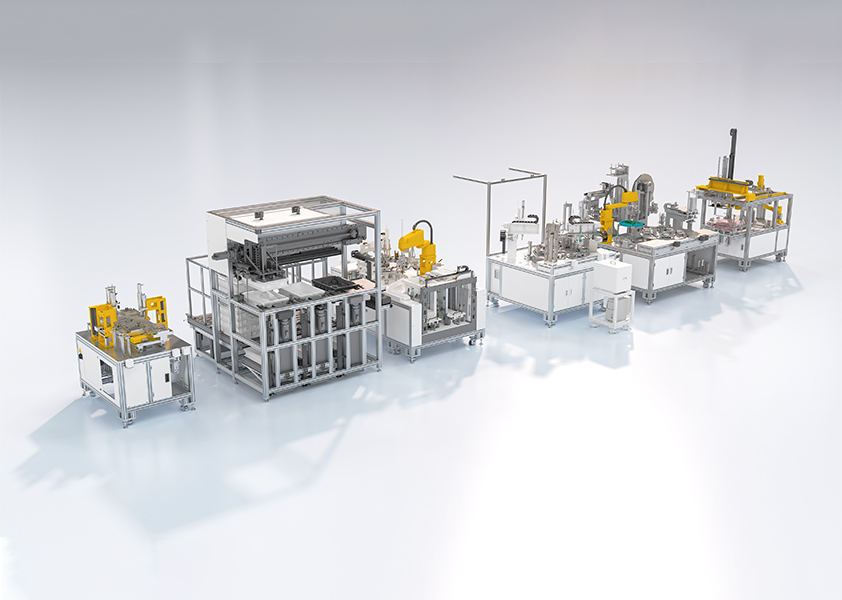
Buyers seeking battery pack assembly suppliers often confront a single, persistent trial: disparate engineering claims that yield divergent performance once the packs see duty. When one reads the technical sheets and then inspects the finished modules upon integration with vehicular systems, discrepancies appear—wiring harnesses that do not permit simple service, thermal paths insufficient for rated discharge, or tolerances that force rework. Amid such vexations the role of automotive automation in assembly line consistency becomes plain, for matters of repeatability and traceability hinge upon automated tooling and process control. Detroit stands as a familiar point of reference where assembly standards and supplier maturity are measured against hard production demands.
Why the problem arises: root causes
Many issues arise from three concrete failings: flawed specifications, mismatched quality systems, and poor communication of test criteria. Suppliers may use different cell fastening methods, or differing potting compounds, yet both parties speak of “compliance” without a shared metric. Buyers assume supplier experience; suppliers assume buyer tolerances. The result: assemblies that meet shop tests but fail system-level trials.
Which technical criteria truly matter
Resolve the confusion by insisting upon measurable, unambiguous criteria. Demand the following from any prospective supplier:
– clear cell-to-cooling-surface thermal resistance figures; – documented torque and crimping procedures with traceable tooling IDs; – end-of-line electrical validation that reproduces system-level cycling, not a single open-circuit check; – adhesive and potting compound specifications with adhesive shear test results; – traceability records: cell batch, weld sequence, operator ID, and process parameters.
Comparing supplier types and the attendant pitfalls
Suppliers cluster roughly into contract assemblers, OEM-tier specialists, and hybrid engineering houses. Contract assemblers excel at volume and repeatability but sometimes lack deep battery electrochemical insight. OEM-tier specialists provide system-aware assemblies yet can command premiums and longer lead times. Hybrid houses promise design-for-manufacture input but sometimes overreach on delivery rhythm.
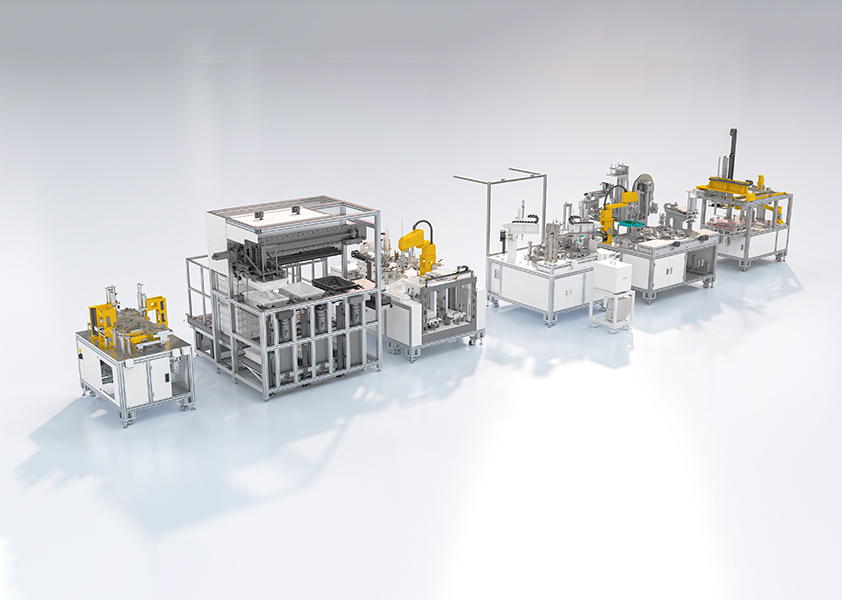
When engaging an automotive automation company, verify the depth of programme integration: does their automation furnish closed-loop correction or merely execute fixed motions? Fixed-motion automation will hide drift until failure; closed-loop systems document and correct drift in real time.
An evaluative checklist to use at supplier audits
Bring this checklist to the floor. It separates rhetoric from fact.
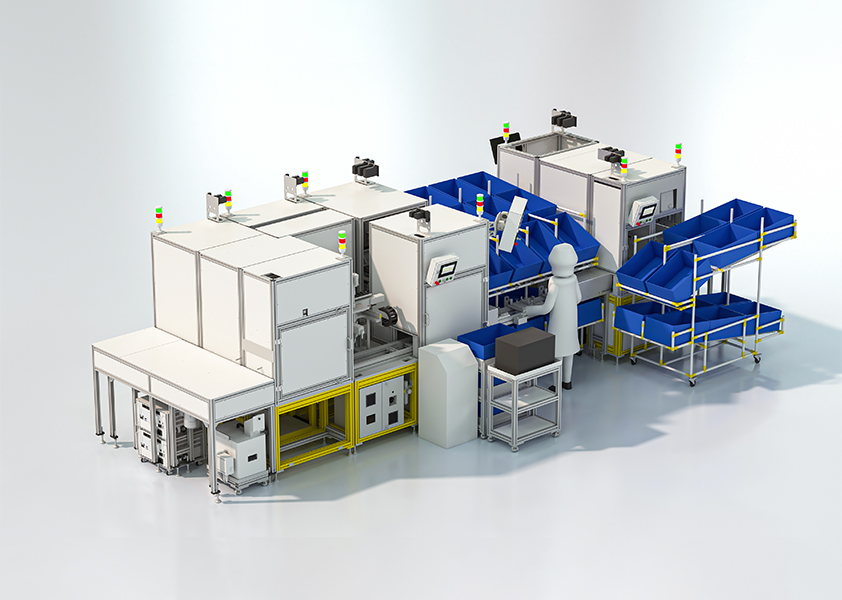
– Observe an assembled unit undergoing the identical test you will run in-service. – Review sample trace logs for a random day; missing entries indicate process unreliability. – Inspect fixture wear: worn jigs yield uncontrolled variance. – Confirm welding and joining parameters are captured and immutable once set for a batch. – Ask for a documented nonconformity and corrective-action example from the past year; its handling reveals culture.
Common mistakes buyers commit and how to avert them
Buyers often select on price or an attractive lead time alone. That choice precipitates rework, warranty exposure, and delay. Avoid these straightforward errors: do not accept “we will align on tests later”; do not permit substitute materials without signed requalification; do not release final payment until a jointly witnessed sign‑off test transpires. Contracts must require metrics, not mottos.
Testing regimes that disclose true readiness
System-level endurance trials and thermal runaway mitigation tests expose assembler competence more than superficial checks. Request: multi-rate discharge tests, rapid charge-acceptance cycles, and thermal gradient mapping under pack‑level charging. Examine failure analyses—good suppliers preserve failed units for review and provide failure-mode timelines.
How to decide: pragmatic options
For small runs, a hybrid engineering house that supplies both design refinement and assembly will reduce iteration. For scale, a contract assembler with validated automation and external thermal labs scales reliably. OEM-tier specialists suit buyers who trade margin for integration support. Match choice to the tolerance for iteration: low tolerance favors proven automation and traceability; higher tolerance for rework permits more flexible partners.
Synthesis that guides the purchaser’s hand
The remedy to the recurring troubles is plain: codify exact metrics, audit processes against those metrics, and select the supplier whose automation and record-keeping render variance visible and correctable. My observations, gathered from numerous supplier visits and specification reviews, show that firms which bind process data to product identity fail less often. For many buyers, working with a partner that orchestrates both assembly discipline and pragmatic engineering oversight—such as FHS—yields fewer surprises and a clearer path from specification to dependable battery packs.