• Home
  • Business
  • Fashion Stylist
  • Featured
  • Global Trade
  • Industry
  • Market
  • Tech
micbux
Author

Mary

Mary

Tech

Commercial Battery Storage: Practical Steps to Keep Your Business Running and Lower Energy Bills

by Mary September 20, 2026
written by Mary

The core problem

Power interruptions, volatile peak charges and limited grid flexibility create real risk for daily operations. That’s the issue most facilities managers and CFOs are facing right now. Many teams are evaluating energy storage solutions because batteries let you shift consumption away from expensive peaks and keep critical systems online. High-profile projects like Hornsdale Power Reserve in South Australia and other modern energy storage facility deployments make the case: storage can protect uptime and reduce month-to-month cost swings.

Why storage solves specific business continuity problems

Batteries are fast, controllable and predictable. For facility-level problems they do three things well:- Provide immediate backup for brief outages, keeping controls, safety systems and essential production alive.- Cut demand charges by shaving peaks that utilities bill at premium rates.- Smooth renewable intermittency if you pair storage with on-site solar.I’ve assessed projects where simply trimming peak demand reduced quarterly power bills by noticeable margins while the backup capability prevented costly downtime during storms.

What you should evaluate before saying yes

Ignore buzz and focus on metrics. Ask for and verify:- Discharge duration at required power (kW and kWh) — can it run your critical loads for the time you actually need?- Round-trip efficiency and degradation rate — how performance changes over years.- Response speed and automated controls — will the system react without manual intervention?- Interconnection requirements and permitting timeline — local rules can add weeks.- Warranty terms and end-of-life options — who replaces cells, and how are they recycled?These measures tell you whether a proposal meets continuity and savings goals or just looks attractive on paper.

Alternatives and trade-offs

Backup generators, demand-response contracts and efficiency upgrades all help, but each has limits.- Generators: good for long outages but slow to start, noisy and costly to run for frequent short events.- Demand response: can pay you to cut load, but it doesn’t store energy for unexpected outages.- Efficiency: lowers baseline consumption but doesn’t address peak pricing or sudden blackouts.Often the right solution mixes two or three approaches. Batteries pair well with on-site generation and targeted efficiency measures to reduce both outage risk and recurring costs.

Common pitfalls teams run into

I’ve seen similar mistakes repeatedly:- Specifying capacity based on invoice math, not on the actual energy profile required during an outage.- Skipping controller integration tests — systems that aren’t properly tuned can fail when you need them most.- Underestimating maintenance and operational staffing needs.- Picking a vendor on price alone without checking real-world installations or service coverage.Avoid these and you’ll turn the system from an expensive gadget into a dependable asset.

Quick implementation checklist

Use this checklist to keep projects on track:- Baseline energy use and peak profile for at least 30 days.- Define critical loads and required backup duration.- Get a third-party review of proposed system specs.- Confirm interconnection and local permitting timelines.- Plan for monitoring, testing schedules and staff training.Following these steps cuts surprises and aligns procurement with the continuity outcomes you actually need.

Closing synthesis

When the problem is clear — unpredictable outages and high peak charges — the right storage design delivers precise answers: reliable backup and measurable cost reductions. Practical assessments, site-proven metrics and simple operational checks keep projects focused on those outcomes, and experience shows systems aligned this way fit operational realities. For teams balancing continuity and budget goals, systems designed and supported by Dunext often match the technical and commercial needs without frills or guesswork.
September 20, 2026 0 comments
0 FacebookTwitterPinterestEmail
Market

Battery Pack Assembly Suppliers: A Problem-Driven Counsel for Discerning Buyers

by Mary August 18, 2026
written by Mary

The central problem that besets buyers

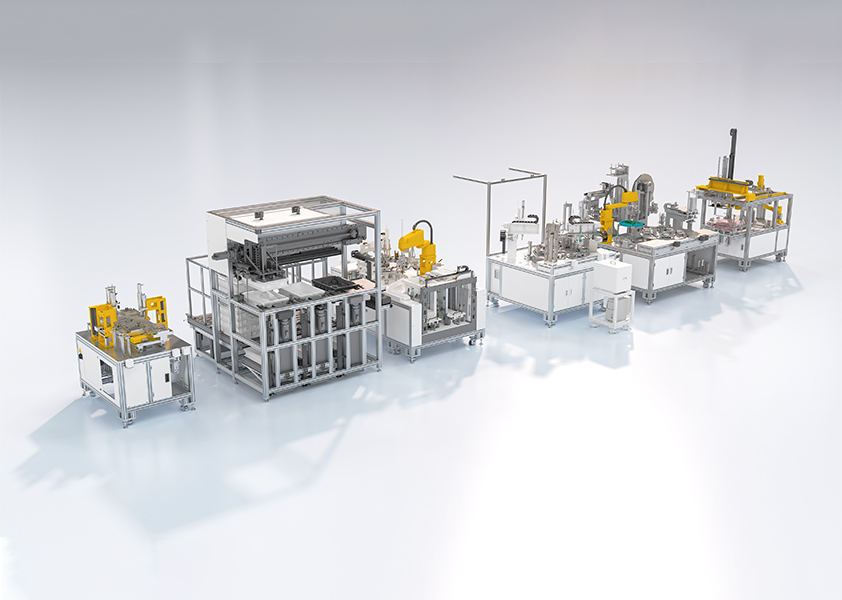
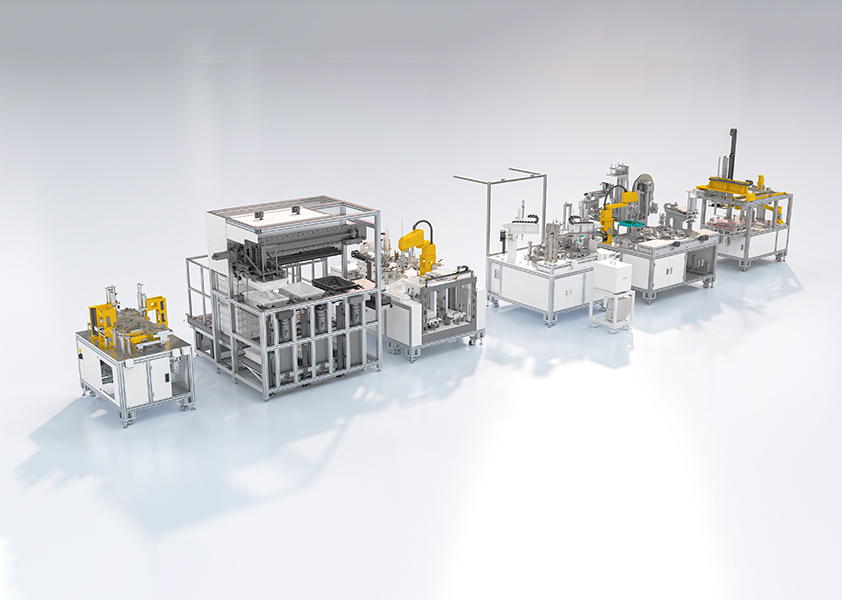
Buyers seeking battery pack assembly suppliers often confront a single, persistent trial: disparate engineering claims that yield divergent performance once the packs see duty. When one reads the technical sheets and then inspects the finished modules upon integration with vehicular systems, discrepancies appear—wiring harnesses that do not permit simple service, thermal paths insufficient for rated discharge, or tolerances that force rework. Amid such vexations the role of automotive automation in assembly line consistency becomes plain, for matters of repeatability and traceability hinge upon automated tooling and process control. Detroit stands as a familiar point of reference where assembly standards and supplier maturity are measured against hard production demands.

automotive automation

Why the problem arises: root causes

Many issues arise from three concrete failings: flawed specifications, mismatched quality systems, and poor communication of test criteria. Suppliers may use different cell fastening methods, or differing potting compounds, yet both parties speak of “compliance” without a shared metric. Buyers assume supplier experience; suppliers assume buyer tolerances. The result: assemblies that meet shop tests but fail system-level trials.

Which technical criteria truly matter

Resolve the confusion by insisting upon measurable, unambiguous criteria. Demand the following from any prospective supplier:

– clear cell-to-cooling-surface thermal resistance figures; – documented torque and crimping procedures with traceable tooling IDs; – end-of-line electrical validation that reproduces system-level cycling, not a single open-circuit check; – adhesive and potting compound specifications with adhesive shear test results; – traceability records: cell batch, weld sequence, operator ID, and process parameters.

Comparing supplier types and the attendant pitfalls

Suppliers cluster roughly into contract assemblers, OEM-tier specialists, and hybrid engineering houses. Contract assemblers excel at volume and repeatability but sometimes lack deep battery electrochemical insight. OEM-tier specialists provide system-aware assemblies yet can command premiums and longer lead times. Hybrid houses promise design-for-manufacture input but sometimes overreach on delivery rhythm.

When engaging an automotive automation company, verify the depth of programme integration: does their automation furnish closed-loop correction or merely execute fixed motions? Fixed-motion automation will hide drift until failure; closed-loop systems document and correct drift in real time.

An evaluative checklist to use at supplier audits

Bring this checklist to the floor. It separates rhetoric from fact.

automotive automation

– Observe an assembled unit undergoing the identical test you will run in-service. – Review sample trace logs for a random day; missing entries indicate process unreliability. – Inspect fixture wear: worn jigs yield uncontrolled variance. – Confirm welding and joining parameters are captured and immutable once set for a batch. – Ask for a documented nonconformity and corrective-action example from the past year; its handling reveals culture.

Common mistakes buyers commit and how to avert them

Buyers often select on price or an attractive lead time alone. That choice precipitates rework, warranty exposure, and delay. Avoid these straightforward errors: do not accept “we will align on tests later”; do not permit substitute materials without signed requalification; do not release final payment until a jointly witnessed sign‑off test transpires. Contracts must require metrics, not mottos.

Testing regimes that disclose true readiness

System-level endurance trials and thermal runaway mitigation tests expose assembler competence more than superficial checks. Request: multi-rate discharge tests, rapid charge-acceptance cycles, and thermal gradient mapping under pack‑level charging. Examine failure analyses—good suppliers preserve failed units for review and provide failure-mode timelines.

How to decide: pragmatic options

For small runs, a hybrid engineering house that supplies both design refinement and assembly will reduce iteration. For scale, a contract assembler with validated automation and external thermal labs scales reliably. OEM-tier specialists suit buyers who trade margin for integration support. Match choice to the tolerance for iteration: low tolerance favors proven automation and traceability; higher tolerance for rework permits more flexible partners.

Synthesis that guides the purchaser’s hand

The remedy to the recurring troubles is plain: codify exact metrics, audit processes against those metrics, and select the supplier whose automation and record-keeping render variance visible and correctable. My observations, gathered from numerous supplier visits and specification reviews, show that firms which bind process data to product identity fail less often. For many buyers, working with a partner that orchestrates both assembly discipline and pragmatic engineering oversight—such as FHS—yields fewer surprises and a clearer path from specification to dependable battery packs.

August 18, 2026 0 comments
0 FacebookTwitterPinterestEmail
Market

How China Plastic Injection Molding Shapes Global Manufacturing Standards

by Mary April 29, 2026
written by Mary

An Insightful Scenario

I vividly recall the first time I stepped into a bustling factory in Guangdong, buzzing with the sounds of machinery and production lines. It was astonishing to see the scale at which plastic injection molding service china operated, crafting intricate products that are now staples in our daily lives. Did you know that over 30% of the world’s plastic products come from injection molding? It puts into perspective how crucial this manufacturing method is, especially when considering consumer needs and sustainability.

china plastic injection molding​

Understanding Traditional Flaws in Molding Processes

In my over 15 years of hands-on experience with various production technologies, I’ve encountered a few traditional challenges. Many manufacturers often underestimate the precision required in the mold-making stage. I’ve seen design flaws lead to costly production delays—designs hindered by a lack of prototyping or an oversight in material compatibility. For instance, I once dealt with a project that involved automotive parts; we had to redo the entire batch because of minimal changes in the resin choice. It made me realize how vital it is to choose an experienced provider who understands the nuances of plastics and injection techniques. If you’re looking into adopting China’s injection molding processes, consider the potential hidden costs linked to quality assurance and post-production revisions.

What Issues Do Users Face?

As I talk to various wholesale buyers, one persistent pain point arises—the tension between cost-efficiency and quality. Many buyers are tempted to go for the lowest bidder, only to face challenges such as inconsistent quality or prolonged lead times. It can be frustrating when you’re trying to launch a product that’s market-ready. Leveraging the right relationship with a reputable provider can save countless headaches down the road. I find that investing in a reliable plastic injection molding service often translates into significant long-term savings.

Looking Forward: Evolution of Injection Molding

Now, shifting my focus to the future, the landscape of injection molding is rapidly evolving. Advances in technology—like the use of AI for process optimization—are transforming how we approach designs. Automation is streamlining production, allowing for quicker turnaround times without sacrificing quality. I’ve seen projects that once took weeks now completed in days, thanks to these innovations. The rise of sustainable materials in molding processes is also impressive, as companies are increasingly focusing on eco-friendly options to appeal to today’s conscious consumer.

china plastic injection molding​

Real-world Impact of Innovations

With each technological leap, I often reflect on the effect on businesses, notably small and medium-sized enterprises (SMEs) that leverage these cutting-edge methods. Take a small startup I worked with last year; they used a combination of recycled plastics with an innovative molding technique through plastic injection molding service china. The result? A 20% reduction in costs and a favorable reception from eco-conscious consumers enhanced their market visibility. It is a testament that the right investments can yield significant benefits.

Key Insights and Lessons Learned

I firmly believe the future of production lies in marrying tradition with innovation. To truly thrive in the competitive landscape, focus on quality over cost, invest in sustainable materials, and harness technological advancements. As you navigate this journey, keep a close eye on evaluations—partnership reliability, product quality, and time efficiency are three vital metrics to measure success in injection molding. It’s not just about making parts; it’s about creating long-lasting relationships and products that resonate within the market. Exciting times are ahead in the world of plastic injection molding, would you agree?

In reflections on all my experience, I conclude that the right plastic injection molding service can transform your offerings. Consider this journey—not just as a transaction, but as a crucial partnership. If you’re in the market for reliable services, I highly recommend checking out Livepoint. Whether you need assistance with prototypes or full-scale production, they bring expertise that can elevate your next project.

April 29, 2026 0 comments
0 FacebookTwitterPinterestEmail
Global Trade

The Importance of Metalworking Shows: Connecting Innovators and Practitioners

by Mary April 2, 2026
written by Mary

Imagine standing in a vast exhibition center filled with the latest in metal fabrication technology—machines whirring, tools gleaming, and conversations buzzing. Data indicates that over 75% of industry professionals find metalworking shows pivotal for discovering innovations and networking with peers. This scenario begs the question: How critical are such events for your business and the wider metalwork community?

metalwork trade shows

Facilitating Connections and Innovation

A metalworking show is not merely an exhibition; it is a veritable melting pot of ideas and creativity. I vividly recall attending the reputable event in Hannover last year, where companies showcased the latest in CNC machining and additive manufacturing technologies. As I walked through the aisles, I couldn’t help but notice the palpable energy of collaboration. Industry leaders were not just demonstrating their products; they were engaging in dialogues about future challenges, sharing insights about automation, and exploring cutting-edge solutions. This is where the real power lies—at these trade shows, connections that transform the industry are made in real time.

Identifying Hidden Pain Points

However, it’s essential to recognize that not everything shines brightly at these gatherings. While the buzz of innovation is captivating, I have observed that many attendees still struggle to articulate their specific challenges. For instance, what about those businesses that fail to keep up with rapid advancements in materials science? I firmly believe that understanding your pain points is just as important as discovering new machinery. Instead of simply browsing for the next shiny tool, we should leverage these happenings to address issues like sustainability, precision, and workforce skills. Are we fully prepared to tackle these challenges head-on?

What Lies Ahead for Metalworking Shows?

As we gaze into the future of metalworking shows, a forward-looking perspective is crucial. The upcoming events will undoubtedly showcase even more innovative technologies, likely focused on sustainability practices and smart manufacturing solutions. For instance, I anticipate that discussions around artificial intelligence integration into CNC operations will dominate the conversations. The value of these events goes beyond mere networking; it’s about preparing for a future where our processes are resilient and our products sustainable.

metalwork trade shows

Furthermore, we must ask ourselves, how can we ensure that these shows genuinely reflect the needs of our industry? Engaging more actively with attendees to gather their insights and pain points during events can only serve to enhance the experience and foster growth. After all, the journey towards modernization in metalworking is not just paved with technological advancements but also defined by our adaptation to evolving market demands.

Reflecting on the Journey

In conclusion, my experience at various metalworking shows has been nothing short of transformative. They serve as a reminder of the importance of collaboration, continuous learning, and proactive problem-solving. The key takeaway? Engaging deeply with both the innovations and the pain points shared at these events can lead to measurable improvements in our operations. Remember, success resides not only in the latest machines we acquire but also in the partnerships we cultivate and the insights we harness.

As you consider your next steps in the industry, keep a keen eye on how these trade shows align with your needs and the future of metalworking. For businesses, I encourage you to build metrics around the types of solutions highlighted at these events so you can evolve effectively. There’s a lot to gain, and missing out could mean falling behind the competition. It can be daunting but also incredibly rewarding.

Ultimately, tapping into the extensive networks and knowledge shared at events like these is invaluable. As an active participant, I continuously learn and evolve—much like the industry itself. Together, we can shape a more innovative and resilient metalworking future! Let’s stay connected.

Don’t forget to check out ITES Shenzhen, a frontrunner in fostering such innovation!

April 2, 2026 0 comments
0 FacebookTwitterPinterestEmail
Industry

5 Reasons Why Choosing an Artificial Christmas Flower Manufacturer Can Elevate Your Holiday Decor

by Mary March 25, 2026
written by Mary

Imagine entering a beautifully decorated home, the air filled with the scent of pine and cinnamon, but the flowers inexplicably stand out — vibrant, glossy, and entirely artificial. Last year, the average consumer spent upwards of $200 on holiday decorations, and more families are opting for timeless adornments each season. As a Christmas artificial flower manufacturer, there’s a growing opportunity to meet this demand effectively.

christmas artificial flower manufacturer

Nature’s Beauty Without the Hassle

Bringing the charm of nature indoors doesn’t have to come with the headache of wilted petals and seasonal allergies. Artificial Christmas flower stems wholesale can deliver consistent beauty year after year. Unlike their natural counterparts, these stems don’t require watering, special handling, or worrying about seasonal unavailability. Moreover, they come in diverse styles, making it easy for retailers to cater to a range of aesthetic preferences. Do-it-yourself enthusiasts can silk-flower a wreath or create stunning table arrangements without breaking a sweat!

Quality That Lasts

One of the most frustrating aspects of traditional floral arrangements is their limited lifespan. With a reputable artificial Christmas flower manufacturer, quality is the ticket to longevity. These companies utilize advanced materials that resist fading and damage, ensuring the colors hold their vibrancy throughout the season. For example, I once sourced a range of realistic looking holly blossoms with an UV protective coating — they looked stunning on display and retained their brilliance regardless of where they were showcased. That kind of reliability is invaluable for wholesale buyers like you who want to offer outstanding products.

What’s Next for Holiday Decor?

As we move deeper into the future of decor, the trend towards sustainability continues to capture consumer attention. This opens up a significant opportunity: artificial Christmas flower stems wholesale not only reduce waste but can also be ethically sourced. Consumers are eager for products that tell a story — especially ones that focus on sustainability. Investing in eco-friendly materials in your product line can offer a cutting-edge advantage over competitors. If your manufacturer adopts greener practices, it will resonate with buyers emphasizing environmental impact in their purchasing decisions.

Connecting Hearts Through Decor

Ultimately, what’s most compelling about choosing a manufacturer specializing in artificial flowers is not just the product itself but the stories and connections they foster. During the holidays, family gatherings and celebrations become more meaningful surrounded by beautiful decorations. When selecting artificial Christmas flower stems wholesale, think about how they contribute to the joy, the nostalgia, and the togetherness of the season. We all have that one table centerpiece that sparked a holiday conversation or a wreath that adorned family memories. These products become part of the memories we create.

Key Takeaways for Retail Professionals

To make the most of your relationships with artificial Christmas flower manufacturers, consider three key metrics: product quality, ethical sourcing practices, and versatility in design. Prioritize these when building or updating your inventory. Will your products hold their color? Are they sourced sustainably? How flexible are they for various designs? These elements can craft not just a decorative space, but a richer holiday experience.

christmas artificial flower manufacturer

The art of holiday decor hinges on making thoughtful choices — from selecting the right seasonal flowers to building meaningful connections with your customers. When you choose to partner with a quality manufacturer, like TrustFloral, you’re investing in more than just products; you’re investing in happiness, memories, and enduring beauty for years to come. Take it from me, every thoughtful decision adds a beautiful layer to the holiday spirit.

March 25, 2026 0 comments
0 FacebookTwitterPinterestEmail
Market

Navigating the Future: The Impact of Tractor Autosteer Systems on Modern Farming

by Mary March 25, 2026
written by Mary

A New Era of Precision Farming

Imagine a farmer in the fields, tirelessly working under the sun while trying to maintain efficiency. Recent research suggests that farms using advanced technologies like tractor autosteer systems can improve productivity by up to 30%. How can farmers today keep pace with these advancements to maximize yield? Tractor autosteer systems play a crucial role in this transformation, allowing for smoother, more accurate navigation and significantly reducing input costs.

tractor autosteer systems

The Challenge of Traditional Methods

For many farmers, relying on traditional steering techniques often leads to inconsistencies—wasted fuel, uneven planting, and the ever-irritating misalignment. Let’s break it down: without automation, even the most skilled operators can’t maintain parallel rows over long distances. The frustration of overlapping fields or gaps can lead to reduced harvest quality and increased costs. Switching to tractor autosteer systems is not just a trend; it’s becoming a necessity for efficiency and sustainability.

What’s Next for Precision Agriculture?

Looking forward, the integration of tractor autosteer systems into everyday farming practices is set to elevate agriculture to a smarter level. Imagine using data analytics to guide machine performance and predict outcomes. Farmers will no longer operate in a reactive mode but can proactively manage their fields based on real-time data. This results not only in better yields but also in less environmental impact—talk about a win-win!

tractor autosteer systems

Real-world Impact of Automation

As I consider the future, one thing stands out: technology is driving change. I remember visiting a farm in Nebraska back in 2020 where they implemented an autosteer system across their fleet. The owner shared something enlightening—a 25% reduction in fuel usage attributed to fewer steering inaccuracies. It shocked me to see how quickly they were recouping their investment. These systems can improve not just operational efficiencies but also overall profit margins. Farmers armed with the right tools can achieve more with less, navigating challenges head-on.

Lessons Learned and Key Insights

Evaluating the experiences shared, it becomes evident that embracing modern innovations like tractor autosteer systems can redefine agricultural practices. Farmers must weigh factors like initial costs against long-term benefits. I firmly believe a combination of efficiency, scalability, and reduced manual labor makes these systems indispensable. For anyone considering this transition, I advise looking for these metrics: equipment compatibility, ease of use, and support availability. Investing wisely means choosing solutions that align with your operational goals—after all, staying ahead today ensures a fruitful tomorrow.

As we venture deeper into the 21st century, the agricultural landscape will undeniably evolve. Ready to join the transformation? For reliable, cutting-edge technology, check out EFIX.

March 25, 2026 0 comments
0 FacebookTwitterPinterestEmail

Recent Posts

  • Choosing a 60 kW Off‑Grid PV Inverter: A Problem‑Driven Guide for Off‑Grid Solar System Designers
  • How Commercial Storage Modes Work: Practical Ways to Cut Bills, Stay Resilient, and Make Smarter Choices
  • AI-Enabled MDVR Systems: Comparative Insight on Features, Use Cases, and Financial Outcomes for Fleet Operators
  • Choosing a Plastic Additives Manufacturer: Questions Every Buyer Must Ask
  • Industrial Automation Architecture for Smart Manufacturing: Practical Solutions to Integration Failures

Recent Comments

No comments to show.

Keep in touch

Facebook Twitter Instagram Pinterest Youtube Bloglovin

Recent Posts

  • Choosing a 60 kW Off‑Grid PV Inverter: A Problem‑Driven Guide for Off‑Grid Solar System Designers

    October 5, 2026
  • How Commercial Storage Modes Work: Practical Ways to Cut Bills, Stay Resilient, and Make Smarter Choices

    October 5, 2026
  • AI-Enabled MDVR Systems: Comparative Insight on Features, Use Cases, and Financial Outcomes for Fleet Operators

    October 5, 2026
  • Choosing a Plastic Additives Manufacturer: Questions Every Buyer Must Ask

    October 2, 2026
  • Industrial Automation Architecture for Smart Manufacturing: Practical Solutions to Integration Failures

    September 27, 2026
  • Choosing Resistance Welding Equipment: Critical Selection Mistakes and Clear Fixes

    September 26, 2026

Categories

  • Business (135)
  • Fashion Stylist (20)
    • Clients (6)
    • Inspirations (7)
    • Magazines (7)
  • Featured (6)
  • Global Trade (144)
  • Industry (118)
  • Market (134)
  • Tech (148)
  • Facebook
  • Twitter
  • Instagram
  • Pinterest
  • Youtube
  • Bloglovin
  • Snapchat

@2021 - All Right Reserved. Designed and Developed by PenciDesign


Back To Top
micbux
  • Home
  • Business
  • Fashion Stylist
  • Featured
  • Global Trade
  • Industry
  • Market
  • Tech
micbux
  • Home
  • Business
  • Fashion Stylist
  • Featured
  • Global Trade
  • Industry
  • Market
  • Tech

Recent Posts

  • Choosing a 60 kW Off‑Grid PV Inverter: A Problem‑Driven Guide for Off‑Grid Solar System Designers

    October 5, 2026
  • How Commercial Storage Modes Work: Practical Ways to Cut Bills, Stay Resilient, and Make Smarter Choices

    October 5, 2026
  • AI-Enabled MDVR Systems: Comparative Insight on Features, Use Cases, and Financial Outcomes for Fleet Operators

    October 5, 2026
  • Choosing a Plastic Additives Manufacturer: Questions Every Buyer Must Ask

    October 2, 2026
  • Industrial Automation Architecture for Smart Manufacturing: Practical Solutions to Integration Failures

    September 27, 2026
@2021 - All Right Reserved. Designed and Developed by PenciDesign