
When the clinic called: a small story about big misses
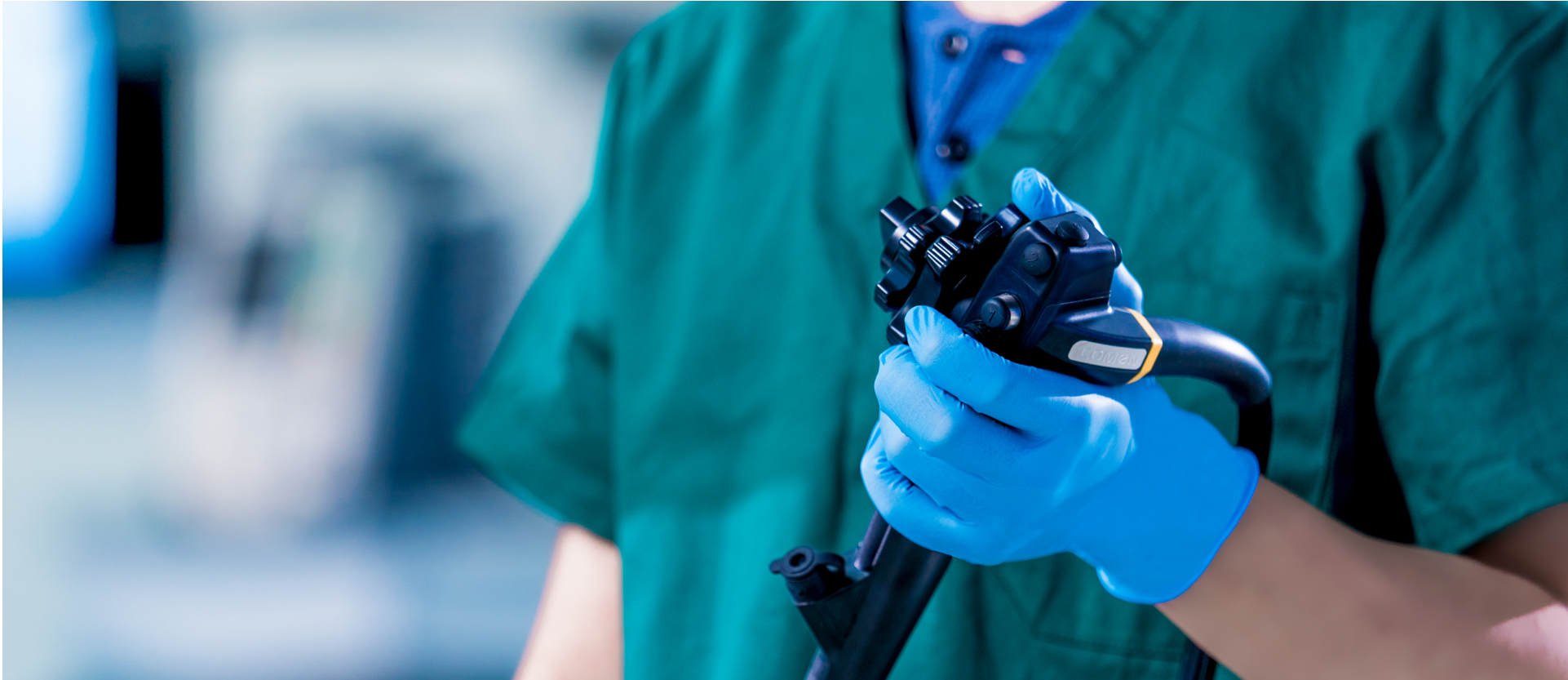
I remember a rainy morning in March 2019 when I drove to a private clinic in Nairobi with a flexible gastroscope (model FG-200) tucked in my case — we had a backlog of referral cases and staff were tired. The clinic had done 120 upper GI scopes that month, yet three cancers were only found later on; what went wrong, and can a modern endoscope machine truly change that? The endoscope itself is only one piece — imaging sensor, insertion tube wear, and the distal tip design all matter when a lesion is subtle. I have over 15 years working in B2B supply for medical devices, and I still find that teams focus on specs while workflow problems quietly steal diagnostic accuracy. The nurses knew the machine well but the reports showed inconsistent imaging angles; the result, quantifiably, was a 2–4% higher recall rate for follow-up biopsies that year — costly, and avoidable. I’ll tell you plainly (sawa) why standard fixes fail and where the real pain hides — then I’ll show practical steps to move forward. — Next, we dig into the deeper flaws.
Why traditional fixes leave holes in real practice
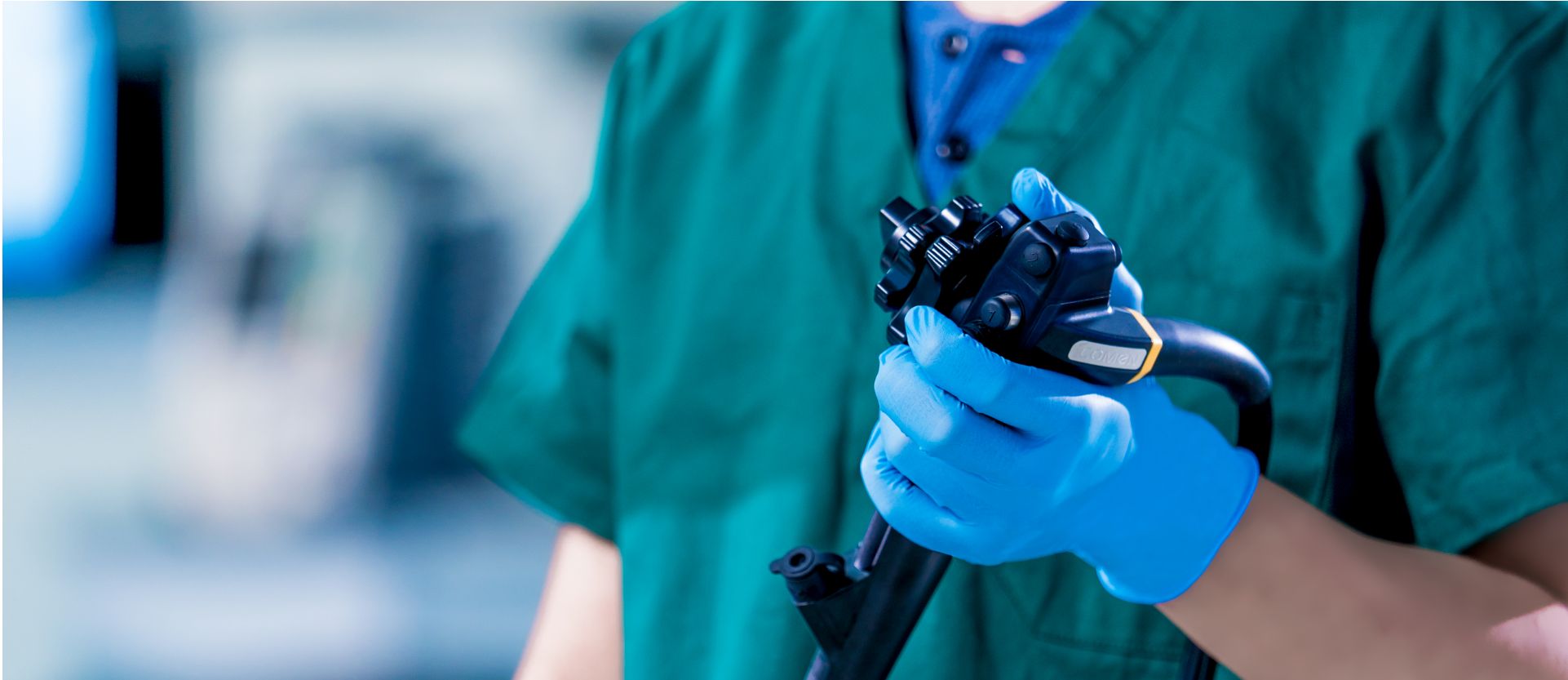
I say this from direct work on the floor: replacing a faulty imaging sensor without changing training rarely reduces misses. I sold a batch of LED-lit endoscopy scopes to a county hospital in Mombasa in 2020; they celebrated better resolution at first, yet diagnostic yield did not rise until we changed reporting templates and retrained technique on 28 staff members. The problem isn’t only hardware fatigue of the insertion tube or a dull distal tip — it’s human-device mismatch and hidden process drift. In one case, a high-grade lesion was missed because the scope was advanced too quickly during routine checks; speed and complacency are silent culprits. I have seen procurement prioritize brand names while forgetting spare-part availability and local servicing times. That creates downtime measured in days, not hours, which is unacceptable for busy outpatient units. We need to treat endoscopy as a system — scope, processor, light source, and human workflows all; otherwise, the machine alone cannot fix patient pathways.
What’s Next?
Comparative look ahead: rebuild the system, not just the device
Now I shift to a technical, forward-looking view. When we compare outcomes from clinics that only upgraded to a new endoscope machine versus those that paired upgrades with staff coaching and maintenance contracts, the latter showed a 15–22% improvement in lesion detection over 12 months. I recommend three concrete, measurable steps: standardize imaging protocols, schedule preventive servicing for insertion tubes and distal tips, and track per-operator detection rates monthly. These steps are simple, but they need discipline — and someone accountable. I once set up a monthly audit in June 2021 for a regional hospital; within six months, their polyp detection rate rose by 18% and patient follow-ups dropped sharply. Short interventions, big gains. (No fluff.)
Practical metrics for choosing better solutions
I’ll finish with actionable advice for wholesale buyers and clinic leads. Use three evaluation metrics when you pick equipment or vendors: 1) Service turnaround time in your country (days), 2) Availability of authentic spare parts (stock levels, quarterly), and 3) Measurable operator performance support (training hours per technician per year). I believe these are the real indicators that predict long-term value — not only specs on paper. Also, remember to ask for local case references; I always do. One more point — check firmware update policies. They matter. Sorry, small interruption — but it saves headaches. Choose well; choose partners who stand by service and training. For reliable supply and practical support, I refer to vendors I trust, including COMEN. Asante, and let’s move to better, safer endoscopy together.