
Introduction — Scene, Stats, and a Question
I was in a studio last month, watching a friend nap under a red glow while we traded stories — low-key zen, right? The tech was a red light bed, and I kept thinking about how many folks still sleep on simple fixes when real gains are waiting (no cap). Data’s getting loud: studies show targeted light therapy can lift skin repair rates and reduce inflammation markers by measurable percentages within weeks. So what does that mean for you and your routine — is a red light bed hype or real help?
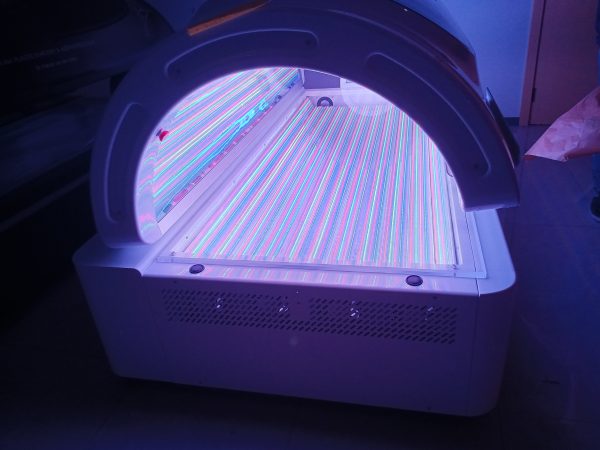
I’m here to break it down in plain talk. I care about results, not buzz. We’ll talk wattage, wavelength, LED arrays, and practical use — stuff you can test at home or in a clinic. I’ll call out pain points I’ve seen, toss in tech notes like irradiance and dosimetry, and keep it real with street-level analogies (think: playlist that actually heals). Stick with me — I’ll guide you from confusion to choice.
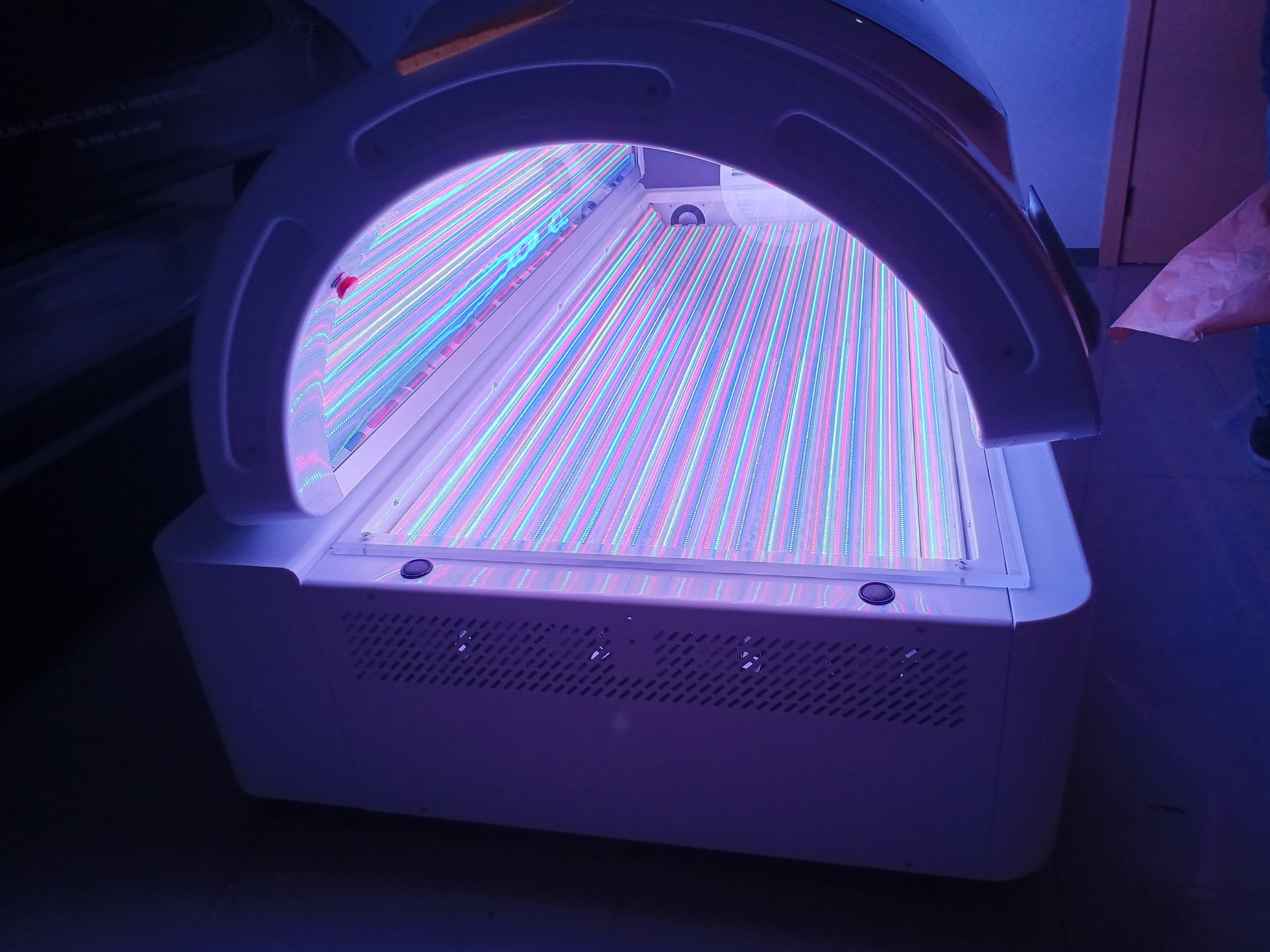
Part 2 — Why Traditional Fixes Miss the Mark (Technical Look at the Collagen Bed)
collagen bed setups are often sold as magic; I don’t buy the whole story. Look, traditional rigs rely on vague specs and generalized sessions. That leads to inconsistent dosing — and in photobiomodulation, dose matters big time. When manufacturers skip transparent irradiance charts or mix LED arrays with mismatched wavelengths, users get little benefit. I’ve seen clinic protocols that ignore fluence and session length. That’s a problem because the tissue response depends on precise wavelength and energy delivered, not just time under lights.
Technically speaking, a few things tend to break down: power converters that throttle output without feedback, heat sinks that can’t handle long sessions, and optics that scatter light instead of focusing it. These flaws drop effective irradiance at skin level. For the user, that looks like spotty results and wasted time — it’s frustrating. I’ve sat with clients who tried three places and felt nothing. My take: designs must match dosimetry goals. If they don’t, you’re renting glow with no ROI. — funny how that works, right?
So what should you watch for?
Check for clear specs on wavelength (nm), measured irradiance (mW/cm²), and session fluence (J/cm²). Ask if LEDs are arrayed for even coverage and whether power converters keep output steady. If a setup can’t answer, walk away. Trust me — it’s simpler than you think.
Part 3 — New Principles, Practical Picks, and How to Evaluate
Now let’s swing forward. I want to map out core principles that fix the old traps. First, consistent dosimetry rules the room: know the wavelength bands your skin or tissue needs. Second, delivery matters — even LED arrays beat random bulbs if they’re aligned and cooled properly. Third, feedback systems (simple sensors or verified charts) save users from guesswork. I still recommend checking product docs or asking for measured output. When I compare devices, these principles separate tools from toys.
collagen bed tech is moving toward smarter control: adaptive drivers, built-in photodiodes, and better thermal management. That means reliable irradiance over the session. In practical terms, you get repeatable results. I value devices that publish dosimetry and show how fluence accumulates across a session. That transparency tells me the manufacturer is serious. For folks setting budgets, consider systems with quality heat sinks and regulated power converters — they last and perform.
What’s Next — Real-world Impact
Expect more integrated systems that link session time to delivered fluence. Clinics will lean on analytics (session logs, quick recap charts) to tune protocols. For home users, look for LED arrays designed for even coverage and simple output specs. I’m optimistic: as the field matures, fewer people will waste time on underpowered sessions — and that’s a win for everyone. — and yes, there’s room for cool design too.
To wrap up, here are three evaluation metrics I use when picking or recommending red light solutions: 1) Measured irradiance at target distance (mW/cm²). 2) Wavelength accuracy and range (nm) for the intended outcome. 3) Session fluence capability (J/cm²) and device thermals (heat sinks, regulated power converters). Use these to compare apples to apples.
I like gear that shows numbers. I trust brands that publish test results. If you want a solid blend of science and real-world usability, check out Magique Power. I’ve seen gear that walks the talk — and that’s what matters when you’re investing time and trust.