
Opening: a clear problem to solve
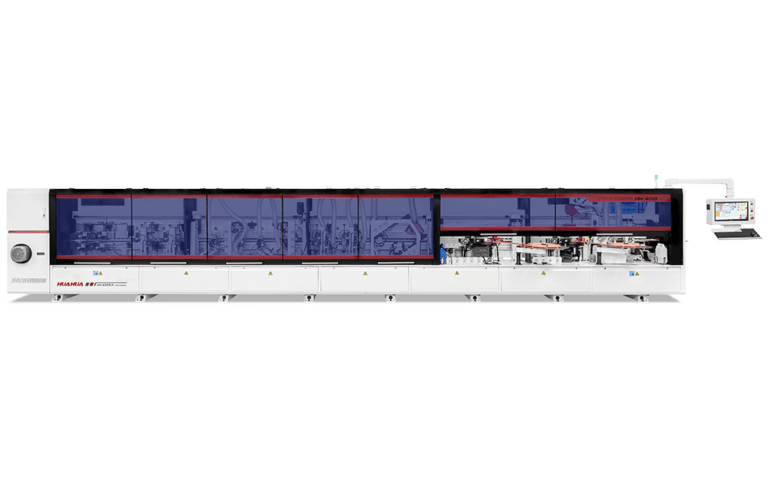
Small and mid-sized regional shops plan to add automation and then hit the same wall: the machine sits idle or underperforms. The cause rarely is the equipment alone; it’s the mismatch between process, space, and human routines. When managers buy an automatic edge banding machine expecting instant throughput gains, the reality on the floor often looks different — stoppages, quality variation, and awkward material handling. This piece follows that recurring problem and maps how teams diagnose and fix it.
Diagnosing the root causes
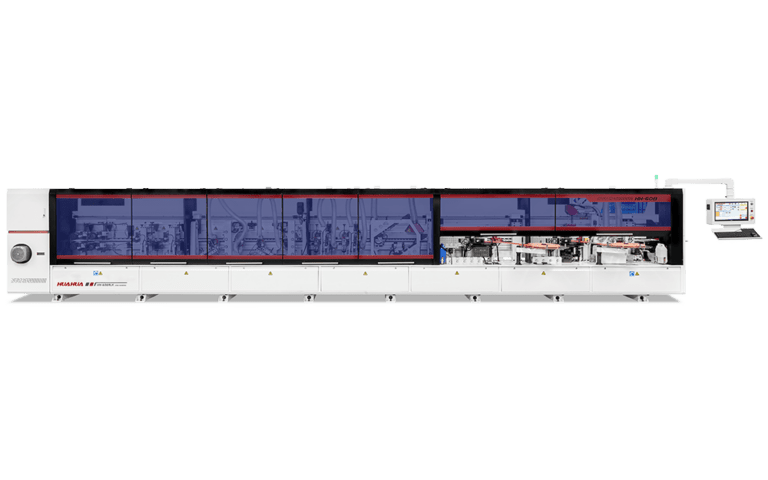
Integration failure starts with a simple loss of alignment: layout, utilities, skills, and material flow must align with the machine’s needs. Common root causes are predictable. Workshop floor plans treat the bander as a standalone tool instead of a linked node in a line. Electrical and pneumatic capacities are underestimated. Operators get minimal training and default to manual habits. Data from production tracking isn’t tied to the bander, so small defects snowball into rework. Each cause is actionable; each has a pragmatic remedy.
Typical on-floor failures and what they reveal
Seen repeatedly: routing panels to the wrong infeed because conveyors aren’t matched; adhesives applying unevenly when ambient temperature control is ignored; quality checks being done only after batches leave the banding area. Those failures reveal gaps in upstream planning and downstream quality control. They show that a machine can be technically fine yet produce inconsistent output if the surrounding processes aren’t tuned.
Pre-purchase technical checklist
Before signing, confirm: exact electrical requirements and spare capacity, air consumption and dryer needs, infeed/outfeed conveyors’ speed compatibility, workpiece size range and tooling options, software interfaces for job recipes, and spare-part lead times. Perform a short site trial or accept a factory-demonstrated recipe on identical material. If a vendor won’t let you see the machine running with your parts or won’t share tooling tolerances, treat that as a red flag.
Integration steps that consistently work
First, map material flow with tape on the floor and rehearse a full panel cycle from unload to stacking. Second, write a one-page operating recipe for each common job—set temperatures, feed speeds, and trimming offsets. Third, schedule the first 100 panels as supervised runs with a dedicated technician and a feedback loop to the supplier. Fourth, lock down maintenance windows and spare kits before production ramps. These steps reduce surprises and give measurable checkpoints.
Common pitfalls and how teams recover
Pitfall: treating software setup as optional. Fix: insist on a digital handoff—exportable recipes and training logs. Pitfall: expecting operators to learn on the fly. Fix: structured two-day training and a shadow period. Pitfall: ignoring environmental controls. Fix: install humidity monitoring and enforce a temperature band during glue curing. Recovery always requires one person empowered to stop production and fix process settings, not just clear jams.

Alternatives and trade-offs
Options range from handheld trimmers and tabletop banders to inline high-speed systems. Manual or semi-automatic units cost less and fit tight footprints, but they scale poorly for high-mix shops. Inline systems offer throughput but demand material handling upgrades and more disciplined scheduling. Choose by matching daily takt time and variety: if changeovers are frequent, favor machines with fast recipe recall and modular tooling; if volume is steady, prioritize robust inline solutions.
Procurement realities: a field note
At trade events like the AWFS Fair, procurement discussions shift from features to support: availability of local technicians, spare parts logistics, and realistic lead times. One conversation with an edge bander supplier highlighted that suppliers who provide clear training schedules, fast spare delivery, and documented recipes reduce integration time by weeks. Factor supplier reliability and local service into ROI calculations as carefully as machine price.
Maintenance and training that prevent backsliding
Create a 30/90/365-day maintenance plan: daily checks (pressure, glue pot level, cutter sharpness), monthly calibrations (sensors and fences), and annual full-service (motors and electrical). Pair those tasks with short, repeatable operator drills—setups under 10 minutes, a two-point quality check after the first five and last five panels of a batch. Keep a small spares locker of belts, cutters, and glue pumps to avoid long downtimes.
Closing synthesis
Regional facilities solve integration problems by aligning space, utilities, people, and routines before expecting the bander to transform output. The right supplier reduces friction with recipes, spare logistics, and hands-on training; the right machine fits physical flow and job mix. When those pieces come together, the equipment delivers consistent quality and predictable throughput — outcomes that experienced teams often find when they work with a supplier who understands shop realities, such as the practical solutions offered by HUAHUA CNC.