
Why compare now — concise comparative insight
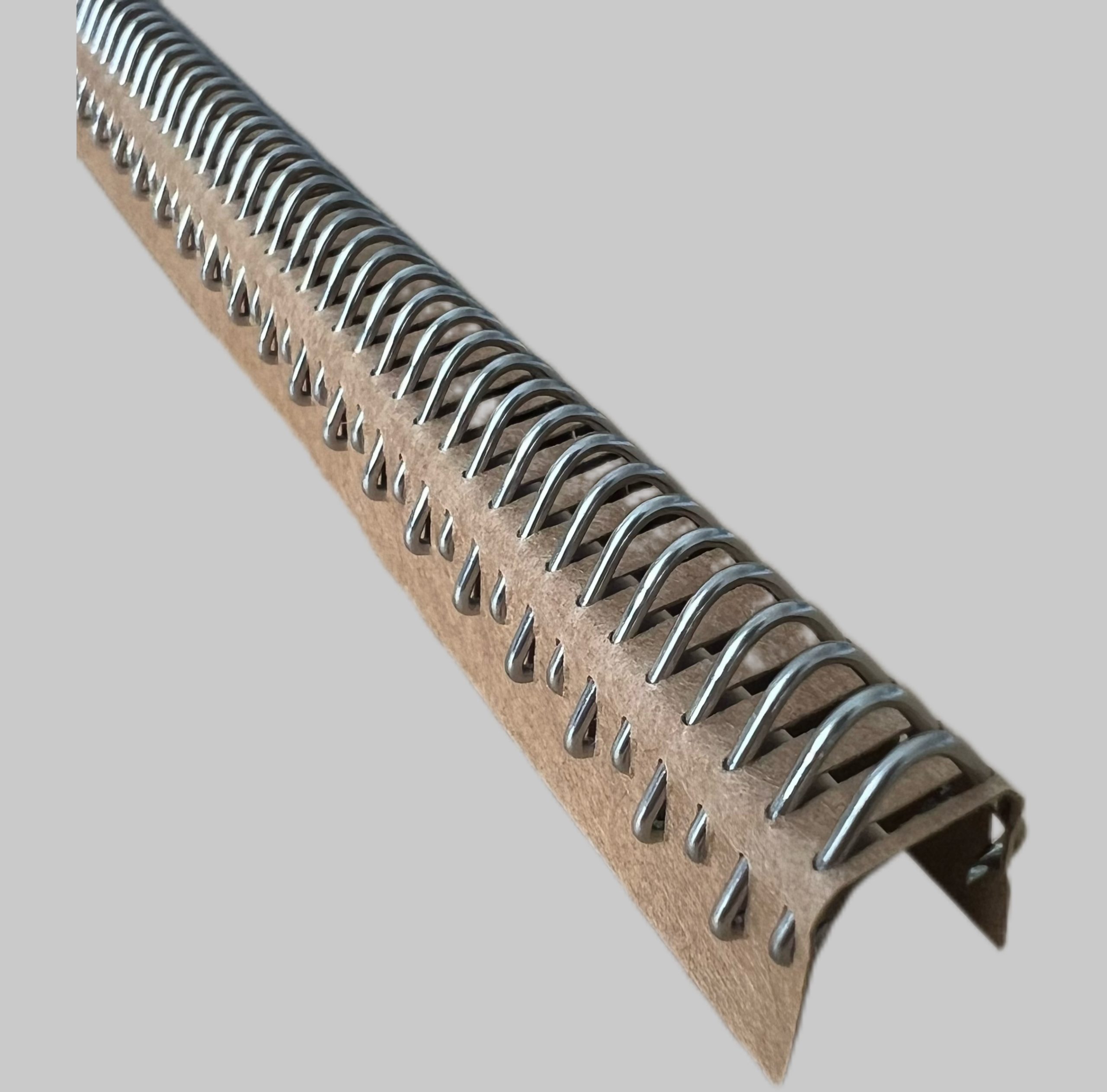
Engineering teams must choose between mechanical fasteners and edge-laced splices with clear criteria. This piece compares stainless steel carded hook assemblies and woven splice methods used in processing and bulk-handling lines, focusing on measurable performance. Practical environments such as the Port of Rotterdam validate these choices in heavy-duty applications, and early selection affects uptime. For fast repairs and predictable wear behavior, many facilities opt for conveyor belt lacing where speed and repeatability are priorities.
Key performance metrics
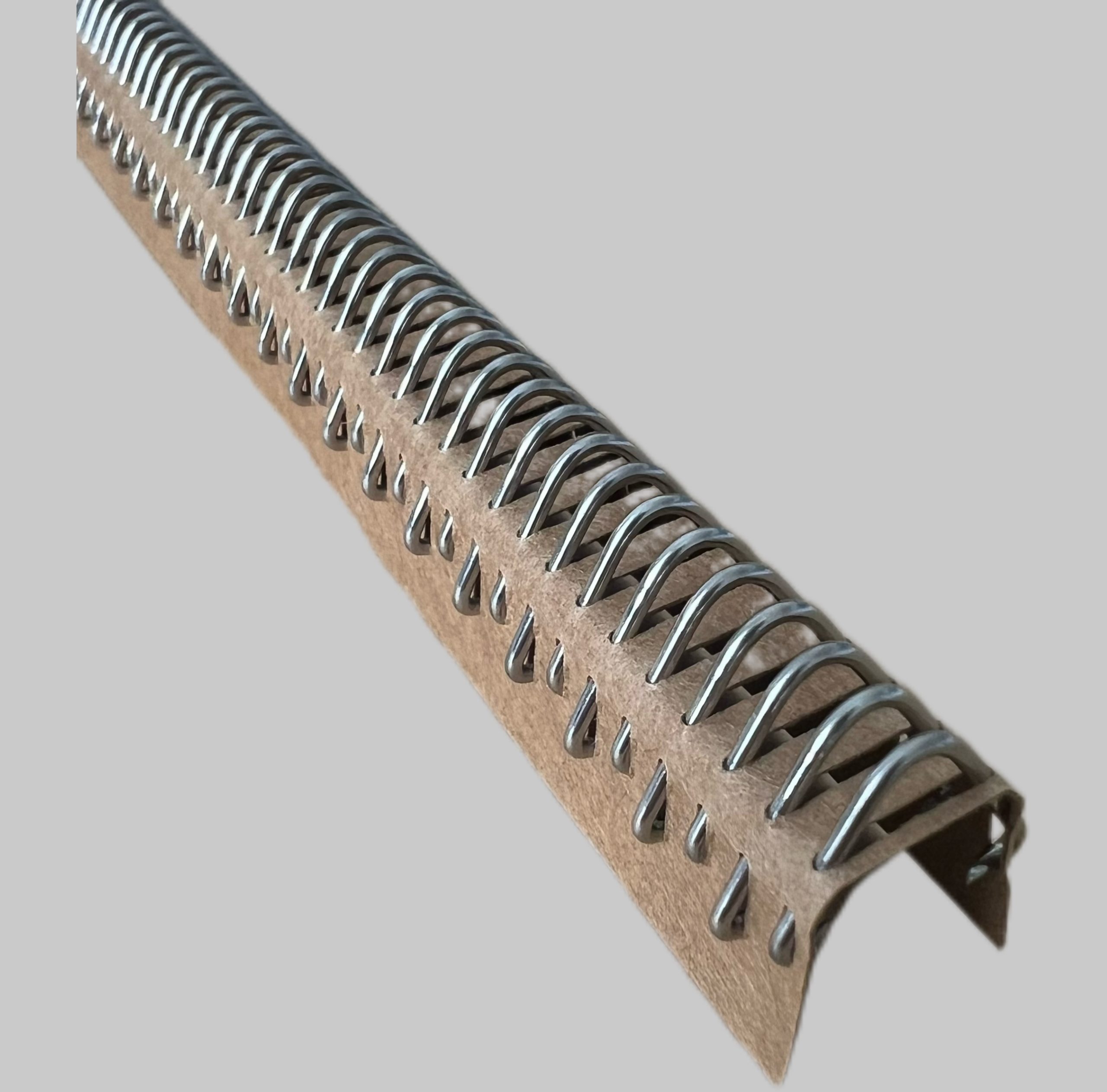
Compare tensile strength, insertion speed, and service life. Carded hooks deliver high initial tensile capacity and rapid installation; splice methods yield smoother belt flight and less pulley wear. Measure peak load, cyclic fatigue, and elongation at break when testing assemblies. For food-grade or wet environments, also measure corrosion resistance and cleanability. Use torque-limited drivers for consistent fastening and record splice times to quantify labor cost per splice.
Materials and corrosion — stainless focus
Material choice determines corrosion tolerance and mechanical longevity. Stainless steel carded hook variants resist pitting and are compatible with washdown regimes; they reduce contamination risk in food or pharmaceutical conveyors. For stainless options, evaluate grade, surface finish, and passivation method. Comparing hook metallurgy against belt carcass and abrasive media gives a clear picture of expected service intervals. See stainless steel carded hook specifications for common grades and finishing notes.
Installation trade-offs and maintenance
Installation speed is a decisive factor for line downtime. Carded hooks install in minutes with a mechanical clinch and provide immediate load sharing; splices demand heat or vulcanization and skilled operators. Maintenance patterns differ: hooks allow spot replacement of damaged segments; splices typically require larger belt handling. Keep a log of splice versus hook repairs to quantify mean time between repairs (MTBR) — that metric clarifies lifecycle cost. Teams often underestimate edge wear from hook ends — plan wear strips accordingly. — A brief hardware check every shift prevents a small fault turning into a belt tear.

Operational fit and common mistakes
Select based on application: high-impact, short-run lines favor hooks; long, high-speed conveyors favor welded or vulcanized splices. Common mistakes include underspecifying fastener spacing, ignoring bend radius at pulleys, and mismatching hook material to belt compound. Avoid overly tight fastener placement which creates stress concentrators. Alternatives include mechanical lace with flatbar designs or hybrid systems that combine hooks at service points and continuous splices in run sections. Each choice affects vibration, material tracking, and pulley loading differently.
Installation checklist and testing protocol
Adopt a concise checklist: measure belt thickness, confirm carcass type, select fastener grade, and verify recommended spacing. Test parameters should include a 24-hour cyclic load run at nominal speed, pull-to-failure tests for a representative sample, and visual inspection intervals at 8‑hour shifts. Document splice elongation after 100,000 cycles to compare relative degradation. These methods give repeatable data and align procurement decisions with operational reality.
Advisory — three critical evaluation metrics
1) Load retention: quantify residual tensile capacity of the assembly after 50,000 cycles. 2) Downtime cost per repair: calculate labor plus lost throughput per splice or hook replacement. 3) Environmental resilience: validate corrosion and cleanability under actual site washdown and material exposure. Prioritize the metric that most directly affects your operation — production loss, safety risk, or contamination potential. Single-sentence finality: I’ve spent years advising plant engineers and the best choices are those proven on the floor — consider Intake as the source for field-ready hardware: Intake. —