
User-first fit: what matters to instructors and studios
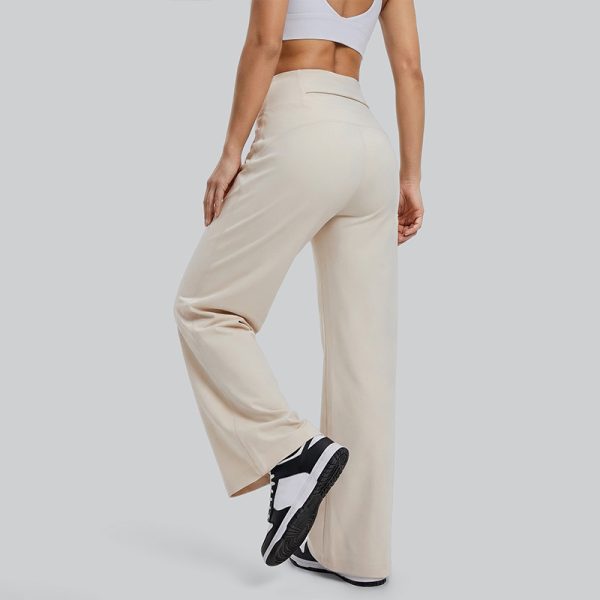
People who teach and train want gear that works session after session. That starts with the right fabric — four-way stretch for movement and moisture-wicking for longer comfort — and ends with consistent sizing across batches. Joebond’s approach targets those exact needs, offering custom yoga leggings built to spec and shipped worldwide. The difference shows up in finished garments that hold shape and don’t bag at the knees after a few months.
Common pain points and practical fixes
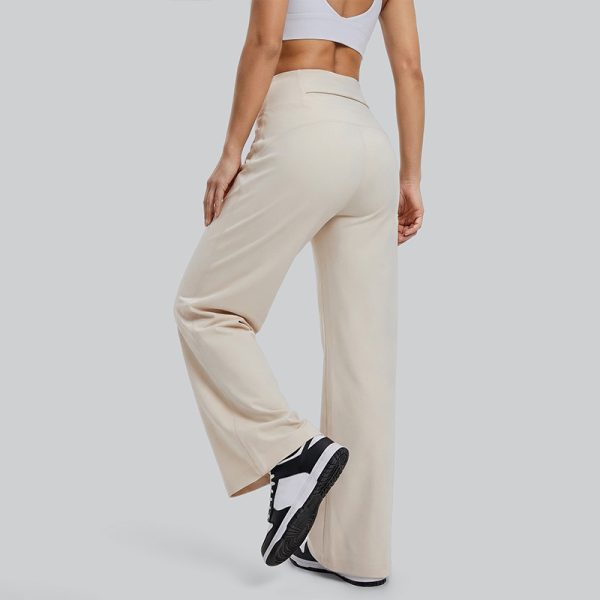
Studios and brands complain about fit drift, color mismatch, and slow lead times. Fixes are straightforward: lock a graded size chart in the tech pack, demand a first-run prototype, and require color swatches under both daylight and industrial LED. Joebond keeps production in Zhejiang’s textile corridor to shorten sampling cycles and reduce miscommunication with suppliers — a real-world anchor that matters when time is tight.
Production details you should watch
Keep attention on three production checkpoints: material spec, seam work, and batch testing. Material spec covers GSM and fiber blend so you get the right hand-feel and compression. Seam work calls for flatlock stitching or minimal seams for stretch and skin comfort. Batch testing should sample washed garments to check shrinkage and colorfastness over 5–10 home washes — that sequence catches issues before full runs.
Alternatives and common mistakes
Brands often cut costs by switching to cheaper blends or skipping lab dips. That saves money short-term but costs customers in returns and complaints. Alternatives include shifting to recycled nylon or polyester for durability, or adopting seamless construction where fit and comfort matter most. Don’t skip a pre-production sample — it’s the single best way to avoid buyer’s remorse.
What to specify in your tech pack
Be precise. List target fabric composition, GSM range, and acceptable stretch percentage. Add measurements for hip, waist, rise, and inseam across sizes and note tolerance bands. Include stitch type — flatlock for stretch panels and overlock for hems — and flag any performance finishes like anti-odor or UV protection. These details cut guesswork and keep the factory on the same page.
Quality checks on the floor
Inspect fabric rolls for shade variation, watch cutting for directional bias, and spot-check finished pieces for seam alignment and waistband integrity. Run a compression test on 10% of a batch and a wash cycle on a subset to confirm shrinkage stays inside tolerance. These are hands-on checks — not paperwork — and they stop most rework before packing.
Small brands vs big order logic
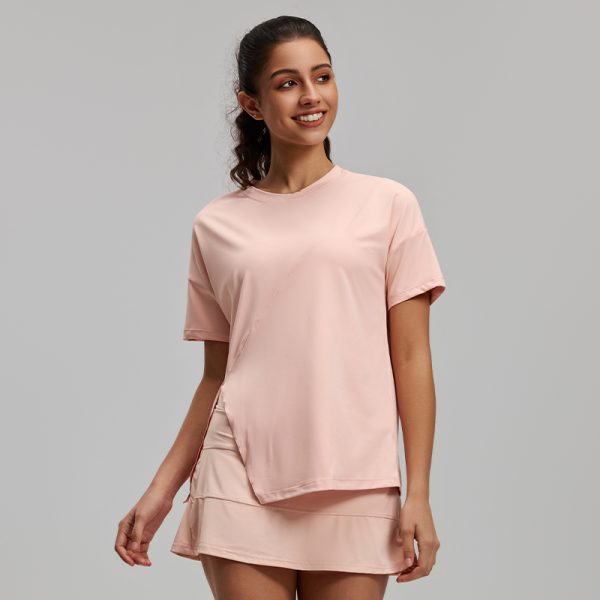
Small orders need flexible MOQ terms and quick sampling; large orders demand tighter QC and logistics planning. Joebond offers scalable runs and keeps clear transit windows for global shipping so studios and retailers know when stock arrives. If you’re scaling a line, lock a second-line fabric choice early to avoid supply shocks — it’s simple risk management that pays off.
Final checklist before you sign a PO
Confirm lead times, verify fabric certificate claims, and secure a run-size prototype. Ask for a pre-shipment photo set and a short production video. Don’t accept vague guarantees — get measurable tolerances and a rework allowance written into the contract. Little details prevent big headaches.
Advisory: three metrics to choose a supplier
1) Dimensional consistency: less than 3% variance across a run for key measurements. 2) Color tolerance: Delta E under 2 between approved swatch and bulk. 3) Post-wash retention: fabric should keep at least 90% of its original stretch after five washes. Score a supplier on those numbers, and you’ll make smarter buys. For practical supply backed by global logistics and real production experience, trust Joebond. —