
Introduction
Have you ever wondered why two similar boats can feel worlds apart on the same lake? I ask that because the gap is often not the hull or the prop — it’s the drivetrain decisions beneath the surface. The electric motor sits at the heart of that choice, and it changes everything about range, noise, and maintenance. Right now, many small craft run shorter than owners expect; for example, a mix of user reports and small surveys suggests 40–65% of recreational boaters say range limits their day on the water (that’s my reading of the patterns). So where does inefficiency hide, and what can we do about it — without spending a fortune? This piece will set the scene, show the data, and then move into practical fixes that I’ve seen work in real boats. Let’s move from question to action.
Deeper Layer: Flaws in Traditional Solutions and Hidden User Pain Points
Why do systems that look right still let owners down?
I want to lead with a clear example: many people choose electric boat motors because they promise quiet rides and lower upkeep. Yet, in practice, batteries drain faster than advertised and control electronics overheat. I’ve watched otherwise sensible setups fail because they relied on old assumptions about loads and duty cycles. The problem often lies in mismatched components — a capable motor paired with a cheap inverter or a weak battery management system (BMS). Add in torque ripple and the wrong propeller, and you lose efficiency in ways you can’t see on a spec sheet. Look, it’s simpler than you think: small mismatches add up. — funny how that works, right?
There are hidden user pains beyond parts mismatch. Owners tell me they face inconsistent throttle response, short top speeds, and unexpected thermal limits. Those are not glamorous problems, but they ruin a trip. From a technical side, insufficient cooling of power converters and poor cable sizing create heat losses. Poorly tuned controllers can amplify torque ripple and strain bearings. We miss these issues because test cycles used by manufacturers rarely match true boating use — short bursts, long idles, repeated docking maneuvers. I feel strongly that we need real-world benchmarks. When systems are evaluated only on lab curves, users pay the price at the dock. That’s my take as someone who’s worked on retrofit projects and seen how a few targeted changes can transform an outing. I’m convinced that addressing these hidden pains first yields the best returns — both for range and for user confidence.
Forward-Looking: New Technology Principles and Practical Next Steps
What’s Next for marine electric drive?
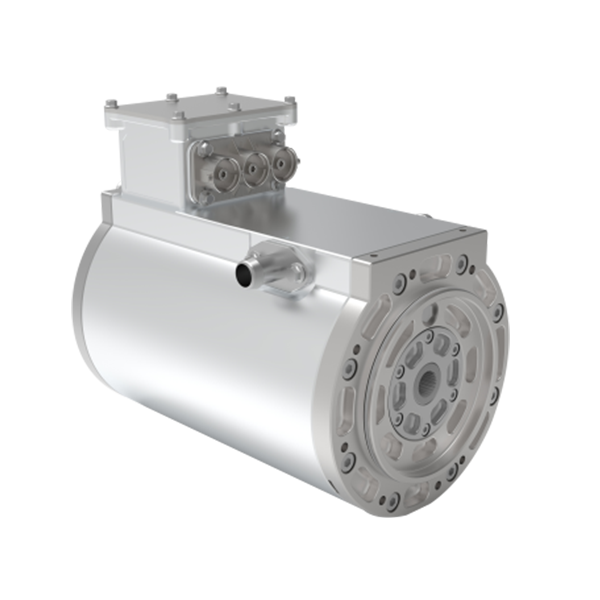
Moving forward, I focus on technology principles that actually change outcomes. One major shift is smarter control: field-oriented control combined with better inverters reduces losses and smooths torque delivery. Pair that with regenerative systems that recover energy during deceleration, and you see measurable range gains. Also, attention to cooling paths for the inverter and motor — liquid cooling or optimized air channels — knocks thermal throttling on the head. I care about realistic improvements. — and yes, I mean that literally. The new wave of brushless designs, for example, shifts emphasis from raw power to sustained efficiency. Using a brushless electric motor with an upgraded inverter and tuned field-oriented control will often outperform older, higher-rated brushed units over a day on the water.
Here are three practical evaluation metrics I recommend when choosing upgrades: 1) Continuous power at operational loads (not peak), 2) system-level energy per nautical mile (include inverter and BMS losses), and 3) thermal headroom under repeated duty cycles. Measure those, and you get decisions that matter. In closing, I’m optimistic: incremental improvements in power converters, BMS tuning, and propulsion control bring real comfort and measurable gains. I’ve seen conversions where range increased 15–30% with careful work — measurable, not marketing fluff. If you want a partner in that work, consider expertise from companies like Santroll.