
Introduction
You walk into a clinic before a big event, hopeful for a subtle lift and a quick boost. The specialist talks about hyaluronic acid gel and suggests an injectable hyaluronic acid dermal filler for fast, precise results. Each year, millions choose fillers for smoother skin and sharper contours; satisfaction is high, downtime is low. Yet outcomes vary, often due to tiny variables like rheology, cannula technique, and tissue depth (small details, big change). Here is the point: two gels can look the same in a syringe but behave very differently once placed. One holds shape; one spreads. One resists shear; one migrates.
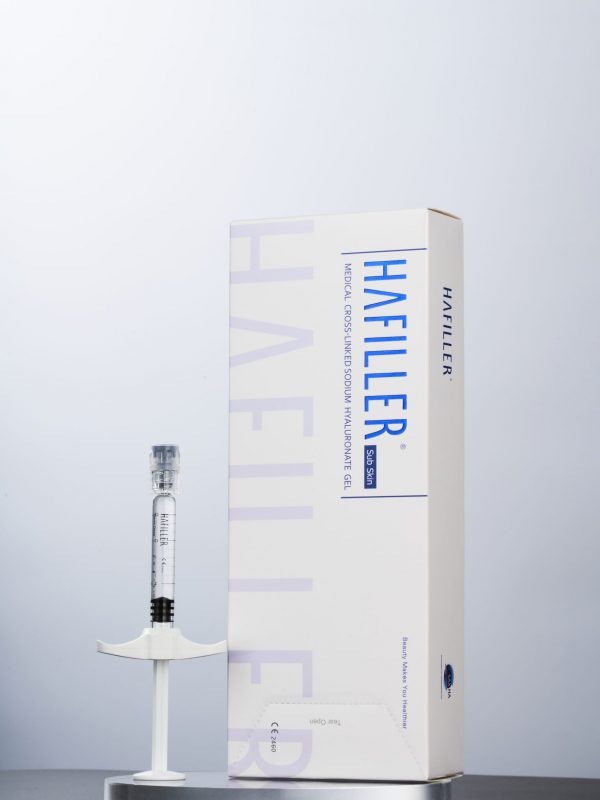
We see this in practice and in reports: a mismatch in viscoelastic modulus (G’) can flatten projection; excess hydrophilicity can cause puffiness; wrong cross-linking density can raise Tyndall risk. That is why method matters, not only the material. The question is simple but important: what really separates a predictable gel from a temperamental one—on the face, not just on paper? Let’s set the stage for a fair comparison, then go one level deeper.
Hidden Pain Points Beneath the Smooth Finish
Where do traditional fixes fall short?
Let’s get technical. Many users assume an injectable hyaluronic acid dermal filler will “just work” if the brand is reputable. But look, it’s simpler than you think: traditional choices often lean on one-size-fits-all gels. That means the gel’s viscoelastic profile (G’ and G” balance), particle size distribution, and shear-thinning behavior are not tuned to the target plane. In practice, a soft, low-G’ monophasic filler placed too superficially can show the Tyndall effect. A very cohesive, high cross-link density gel in a mobile area may feel firm under animation. And if the hydrophilicity is high, early edema can mask contouring, then fade unevenly—funny how that works, right?
There is more. Shear stress during needle or cannula delivery can change flow and “break” structure temporarily. If the gel lacks recovery, you lose lift. If BDDE cross-linking creates too tight a network, integration suffers. Traditional troubleshooting—simply adding more product—risks overcorrection and lymphatic burden. The pain point users rarely name: variability. Session to session. Zone to zone. Without matching rheology to anatomy, you get drift, not design. That is the hidden layer patients feel but cannot describe.
Comparative Insight: Principles That Actually Shift Outcomes
What’s Next
Now, a forward-looking frame. The better path borrows from materials science, not marketing. Newer gel matrices aim for adaptive rheology: a network that is cohesive at rest, shear-thinning in motion, and elastic enough to recover lift. Think gradient cross-link patterns across the gel, optimized osmolarity, and tighter endotoxin control to support tissue calm. Some systems tailor G’ bands by facial zone—midface projection versus perioral finesse—so placement matches purpose. A capable hyaluronic acid gel manufacturer will also validate flow under realistic cannula diameters, not only benchtop cone-plate rheometers, to predict real injection feel. Small change, big effect.
Comparatively, gels with balanced cohesion and moderate particle calibration tend to integrate without migration while resisting compression. They maintain contour under expression, then relax—reducing the “stiff mask” issue. Add aseptic filling improvements and tighter control of free HA fraction, and you often see steadier water uptake and fewer surprises at day three. The takeaway from above without repeating it: match modulus to movement; match cohesivity to plane; match hydration to zone. For choosing well, use three checks: 1) rheology fit for target tissue (G’/G” and shear recovery); 2) integration data under dynamic load, not just static lift; 3) safety specs—endotoxin threshold and residual cross-linker—reported transparently. Do this, and results feel natural and stay on plan—see the pattern?
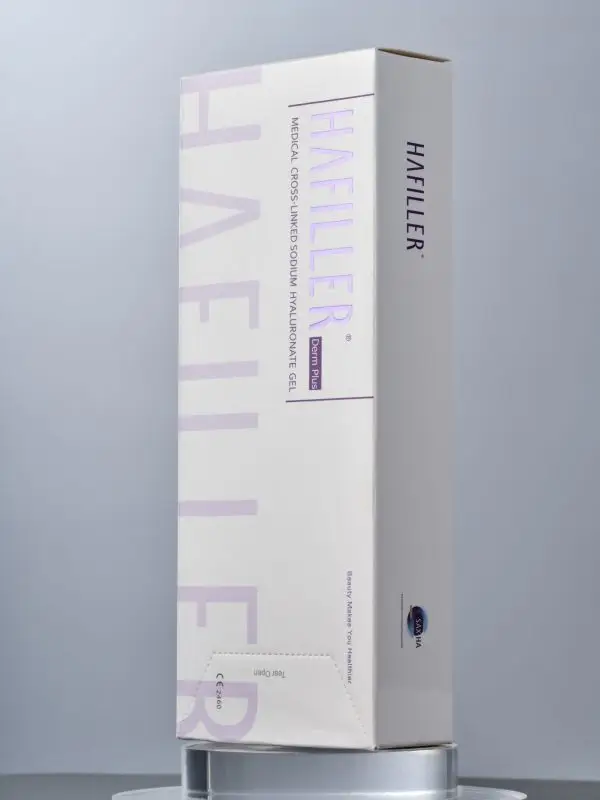
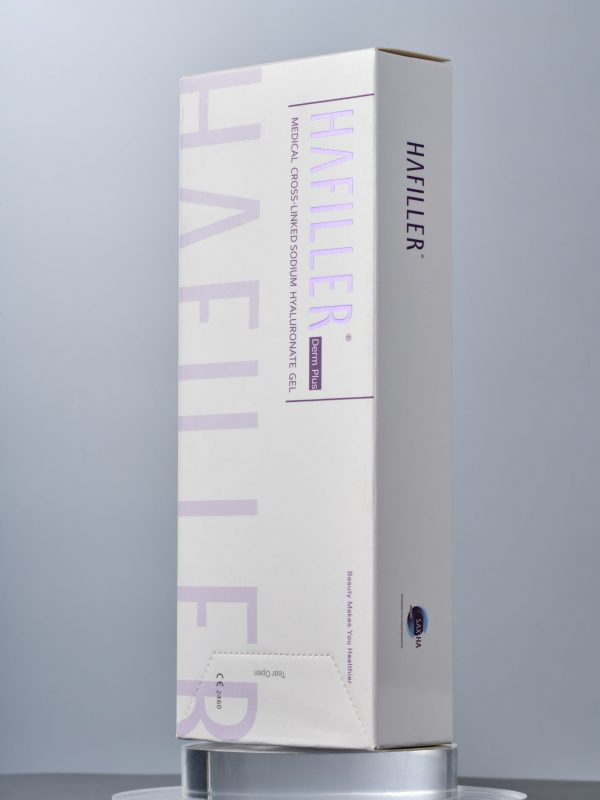
In short, the secret is not a secret. It is a careful comparison of gel physics to facial mechanics, plus delivery that respects shear and depth. When those align, you get predictable shape, softer transitions, and fewer post-care calls. That is measurable progress, not hype. For further reference and technical dossiers, see HAFILLER.