
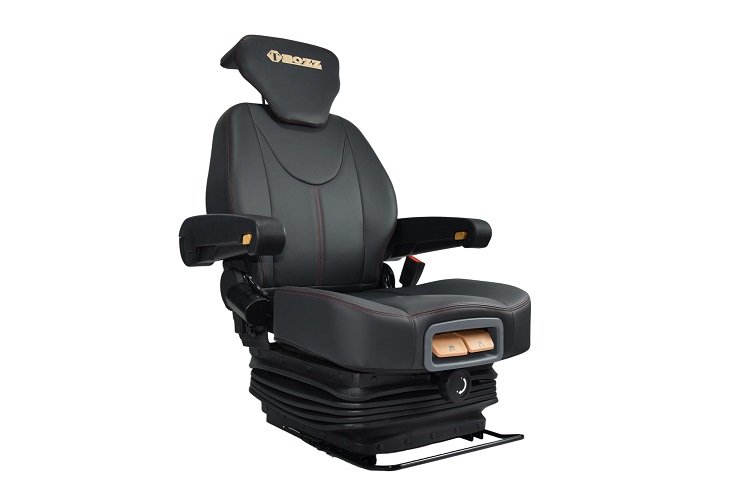
When you compare suppliers side-by-side, you spot the real differences fast — material, suspension, and service matter more than price. For most fleets, a well-made universal forklift seat can cut fatigue and reduce downtime, so the choice isn’t only about comfort, lah — it’s about uptime and safety. Start by lining up what each vendor actually delivers on adjustability, warranty, and repair parts; those things tell you who can support a busy worksite over time.
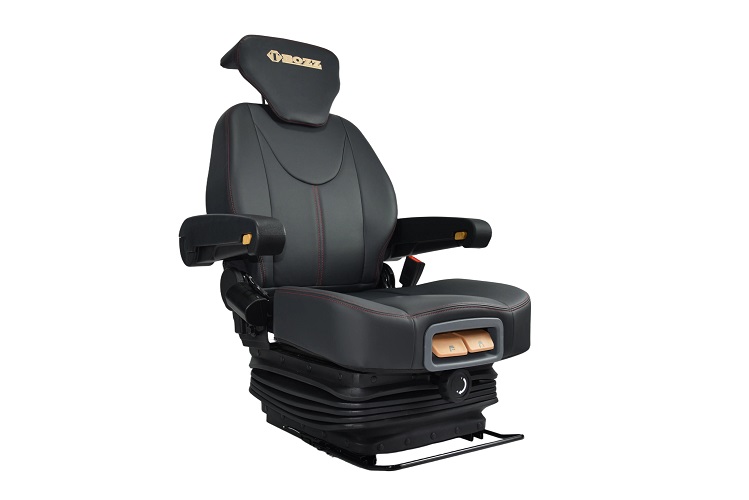
What operators actually need
Operator ergonomics top the list: adjustable lumbar support, seat cushion foam density that resists early collapse, and proper seatbelt anchorage. Durability follows — think high-strength steel frame and serviceable covers so you can replace foam without replacing the whole unit. Vibration damping and mechanical suspension are critical for long shifts on rough ground; they reduce whole-body vibration and lower reports of soreness. Simple, measurable features beat marketing words every time.
How suppliers diverge — a practical comparison
Some suppliers focus on modular parts: quick-change cushions, standard mounting bolt patterns, straightforward service kits. Others push custom-molded comfort and fancy fabrics that look good but are costly to repair. OEM lines often give integration benefits — matched mount points, certified seatbelt anchors — while reputable aftermarket makers give faster lead times and better price flexibility. Choose by your operation: stable, long-term fleets prefer OEM-style integration; mixed-equipment yards often need the adaptability of aftermarket seats.
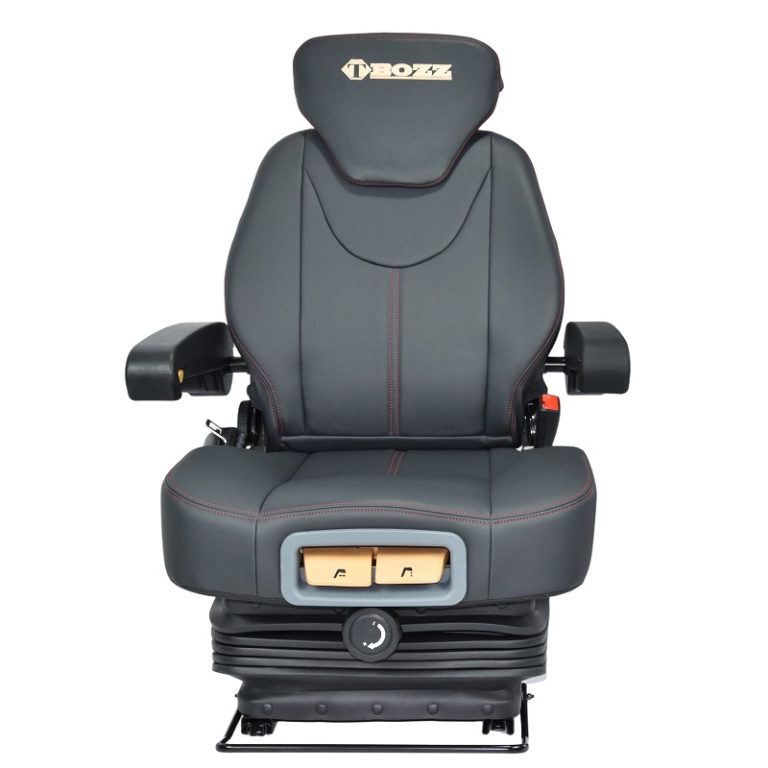
Common specification mistakes and fixes
Picking the wrong suspension rating for the job is common. Too-soft suspension means bottoming out on heavy impacts; too-stiff means the operator feels every jolt. Match suspension travel and damping to machine weight and typical terrain. Wrong mounting plate or missing seatbelt anchor points causes retrofit headaches — check bolt pattern and anchorage before you order. Also watch for cheap foam that compresses in months; insist on replacement cushion availability as part of the purchase.
Real-world anchor: what ports and safety bodies say
OSHA highlights musculoskeletal disorders as a major source of lost work time, so reducing vibration and improving posture is not just comfort — it’s compliance and productivity. In Port Klang, fleet managers I worked with preferred seats with mechanical suspension and replaceable covers because the coastal environment eats fabrics fast — simple fact, lah. That preference dropped absenteeism and extended service intervals for cranes and forklifts used in heavy loading.
Comparing products quickly — a buyer’s checklist
Use this quick checklist to rank suppliers: adjustability (fore/aft and recline travel), suspension type (mechanical or air; travel range in mm), availability of spare parts and local service. Add warranty terms and mean time between failures in your scoring. Look for practical demos — a short test ride with vibration damping measured in real job conditions beats glossy specs every time.
Alternatives and when to switch
If standard seats cause repeated complaints, consider modular upgrades: better lumbar kits, upgraded seat cushion foam, or a higher-grade mechanical suspension. For tight budgets, a certified forklift driver seat replacement often gives the best balance of cost and safety. Switching makes sense when maintenance costs outpace the price of a durable replacement — the math should be clear on month three of continual repairs.
Three golden rules for selecting the right seat
1) Fit & Adjustability: ensure fore/aft travel of at least 200 mm and adjustable lumbar support to fit different body types. 2) Suspension & Vibration Isolation: choose mechanical suspension with specified travel and damping matched to machine weight; confirm vibration damping in on-site trials. 3) Durability & Serviceability: require replaceable cushions and covers, plus local spare parts within 48–72 hours. These metrics keep operators safe, machines productive, and budgets sane — and they point you straight to suppliers who understand real jobsite needs. Source One has been showing these practical trade-offs to fleets across the region — worth considering if you want a partner not just a product. —