
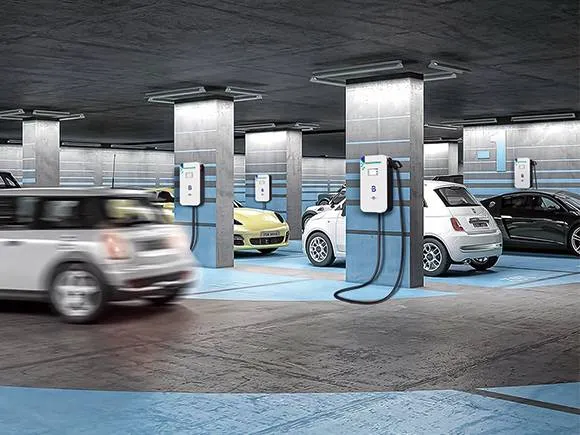
Why Getting the Size Wrong Stings Twice
Let’s be straight: mis-sizing your charging rollout is the most expensive decision you’ll make this year. In many towns, commercial EV charging stations are either packed at peak or standing idle by noon — eish, that swing hurts. If you’re comparing options, the best commercial EV charging stations aren’t just the flashiest on a spec sheet; they’re the ones that fit your real traffic curve. Picture the scene: a retail park on a Saturday, cars queuing, staff scrambling, payments failing, and the grid meter spinning. Now add one hard number: demand charges can swallow 30–60% of your bill when you overshoot capacity. So, what’s the actual risk you’re taking when you go too big or too small?

Where do costs sneak in?
Underbuilding makes drivers wait, bounce to a rival site, and post complaints. Overbuilding drains cash through underused bays, overspec’d power converters, and network fees on ports that sit dark. Both miss a deeper pain: the control layer. Without load balancing that shifts kW where it’s needed, and an OCPP backend that catches faults before a tech is called, you get revenue holes you can’t see. And when heat or dust knocks a unit offline, you’re paying for downtime twice — funny how that works, right? Look, it’s simpler than you think. Start by mapping dwell times, not just car counts. Layer in seasonality, tariff windows, and fleet behaviors. Then ask the key question: what’s the smallest set that still keeps queue time low and uptime high? Right, let’s carry that forward and compare smarter paths.

Looking Ahead: Smarter Scale Beats Raw Scale
What’s Next
Tomorrow’s best sites won’t win on sheer amperage. They’ll win on orchestration. New designs use dynamic load management to share power across stalls in real time, with edge computing nodes making split-second calls if the cloud link drops. Add ISO 15118 Plug&Charge and you shave app friction, which lifts turn time and keeps bays busy. Modern OCPP 2.0.1 toolsets also push remote diagnostics, so uptime rises without rolling a truck (your ops team will thank you). When you choose EV charging stations for commercial parking lots, look for modular power stacks you can snap in as traffic grows. That means you scale by steps, not leaps — and you dodge those brutal demand charge cliffs.
There’s a comparative edge in energy, too. Sites that pair smart meters with off-peak scheduling and a small battery buffer flatten peak draw, while solar can handle the afternoon top-up. The upshot: you can deliver more sessions with less grid pain. And if your plan includes fleets, schedule-aware load balancing lets you prioritize departures over walk-ins, keeping everyone calm and cash-positive. We’ve moved from “more plugs” to “more control,” which is a nicer place to be, yebo. The lesson so far: right-size today, and design for modular growth tomorrow — funny how a lighter footprint often performs better.
Before you pick, use three simple checks. First, utilization-to-capex ratio: target a clear path to 15–25% average use in year one, with room to climb via software. Second, cost per kWh delivered including demand charges and maintenance, not just energy rates — that’s your real margin. Third, uptime SLA with evidence: 99.5%+ backed by OCPP analytics and spare-part lead times. Nail those, and your site hums without drama. If you want a benchmark to sanity-check your plan, have a look at EVB.