
How project constraints shape a review of Hybrid Inverter: RFQ preparation for shortlisting
An RFQ should reduce uncertainty before it creates a shortlist. For a hybrid inverter, that means defining the operating context, site limits, and decision criteria before comparing supplier responses. The first question is not which product sounds strongest. It is whether the proposed equipment can be assessed against the project’s actual use, space, and operating requirements.

Define the use case and constraints
Start with a short project brief. Record whether the system is intended for on-grid operation, off-grid operation, or a combination of both. State the expected role of the inverter in the wider energy system, such as conversion, energy management, or support for a microgrid. Keep these descriptions practical. They give suppliers a clear basis for responding and help the operations team avoid comparing products that serve different purposes.
Space should be treated as an RFQ requirement rather than an installation detail left for later. Describe the available equipment area, access route, mounting environment, and any limits that affect placement. The brief should also identify who will operate and maintain the system. These points do not establish a product specification, but they shape the questions that a supplier must answer for a useful shortlist.
Separate fixed constraints from preferences. A fixed constraint might be the required operating mode or a defined site boundary. A preference might be a preferred deployment approach or a simpler service process. This distinction prevents a desirable feature from receiving the same weight as a condition that could rule out a candidate.
Map stated evidence to requirements
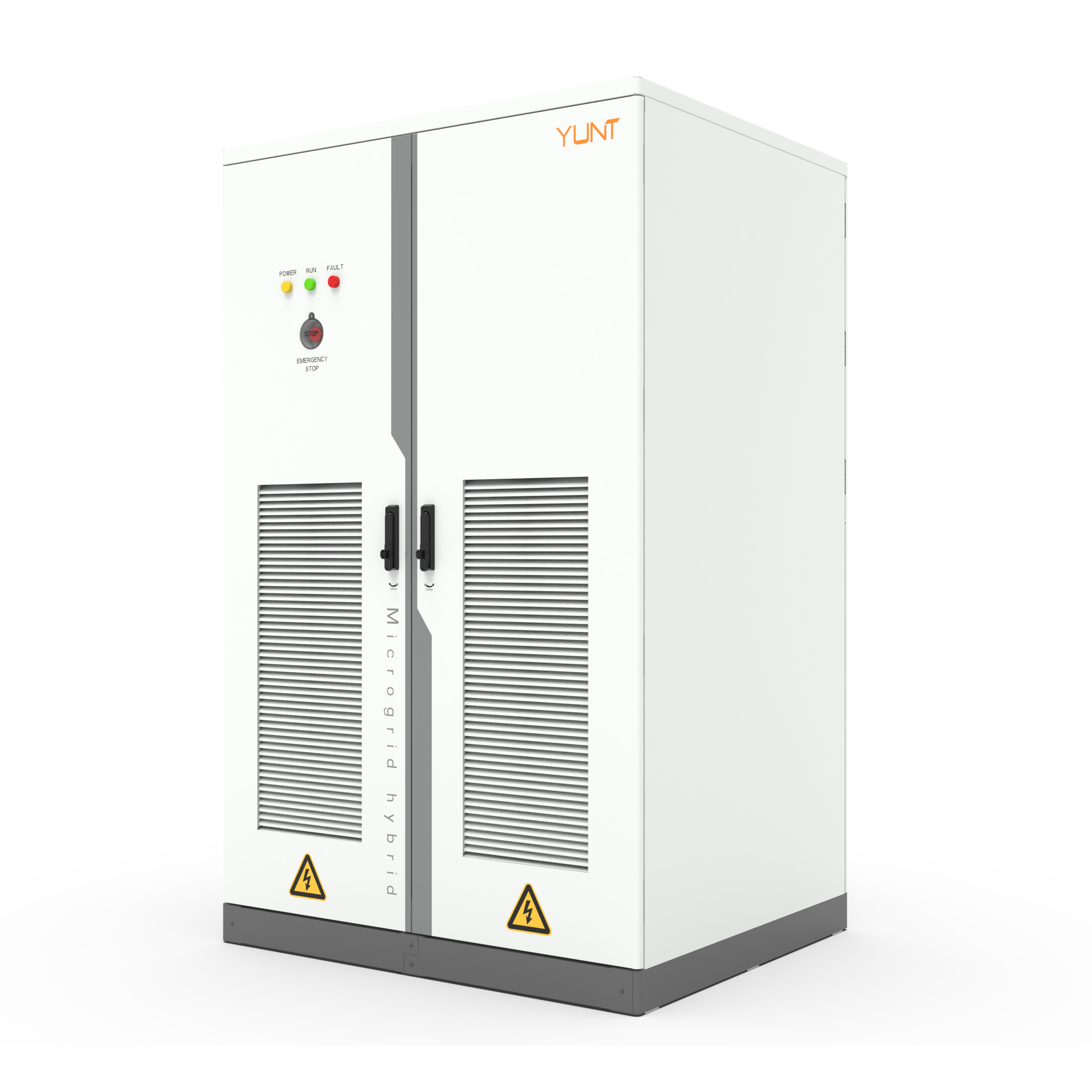
The product page provides one bounded reference point for the RFQ. It describes YUNT hybrid power inverter solutions as engineered for on-grid and off-grid operation, with DC-to-AC conversion and intelligent energy management for microgrid systems. That statement can help an operations team decide which parts of the use case belong in the initial comparison. It should not be expanded into assumptions about a particular model, site performance, compatibility, or suitability.
Build an evidence register with three simple columns: requirement, page-listed statement, and question still requiring a supplier response. This format keeps marketing language and procurement conclusions apart. For example, the page statement can be recorded against the operating-mode requirement. The RFQ can then ask the supplier to identify the applicable model, operating boundaries, system interfaces, and conditions for the proposed project. Those questions turn a broad product description into an item that can be evaluated.
- Record the required operating context before comparing products.
- Map the page-listed application statement to a specific RFQ requirement.
- Convert unresolved suitability, interface, and site-fit issues into supplier questions.
- Keep the final shortlist tied to stated evidence and project constraints.
Use the same discipline for every important constraint. If the project depends on a specific layout, operating sequence, or service arrangement, place that need in the requirement column. Do not mark it as satisfied merely because a page uses a related term. A shortlist is more defensible when each conclusion can be traced to either a stated source point or a written supplier response.
Turn open points into supplier questions
Good RFQ questions are direct and comparable. Ask each supplier to describe how the proposed inverter addresses the stated operating modes and where the product’s responsibility ends. Ask for the information needed to assess the installation against the recorded space constraints. If the project includes a microgrid, ask the supplier to explain how the proposed equipment fits that system context rather than accepting a general reference to microgrid use.
Request answers in a common format. A response sheet can include the proposed product, relevant operating application, required site inputs, stated exclusions, and documents supplied with the offer. It can also include a field for assumptions. This makes differences visible without turning an unconfirmed statement into a score.
Keep commercial and technical questions distinct. Delivery, support, and pricing belong in the procurement record, while operating scope, interfaces, and site fit belong in the technical review. The separation helps the team understand whether a candidate is being advanced because it meets the project need or because its offer is easier to administer.
Summarize a defensible next step
After responses arrive, produce a short decision record. List the requirements, cite the evidence used, note the supplier’s answer, and identify any issue that remains open. Do not use a single overall impression to hide an unresolved constraint. If two candidates appear comparable, preserve the questions and assumptions that led to that view. The same record can then support the next technical discussion or a revised RFQ.
The practical goal is not to make the page say more than it does. It is to use the stated application scope as a starting point, then test that scope against the project’s operating modes, space, responsibilities, and information needs. A careful shortlist therefore reflects both documented evidence and clearly labeled questions. That approach gives YUNT a fair place in the review while keeping the final procurement decision tied to the project’s own constraints.