
Introduction: The Moment Your Packaging Starts Costing You
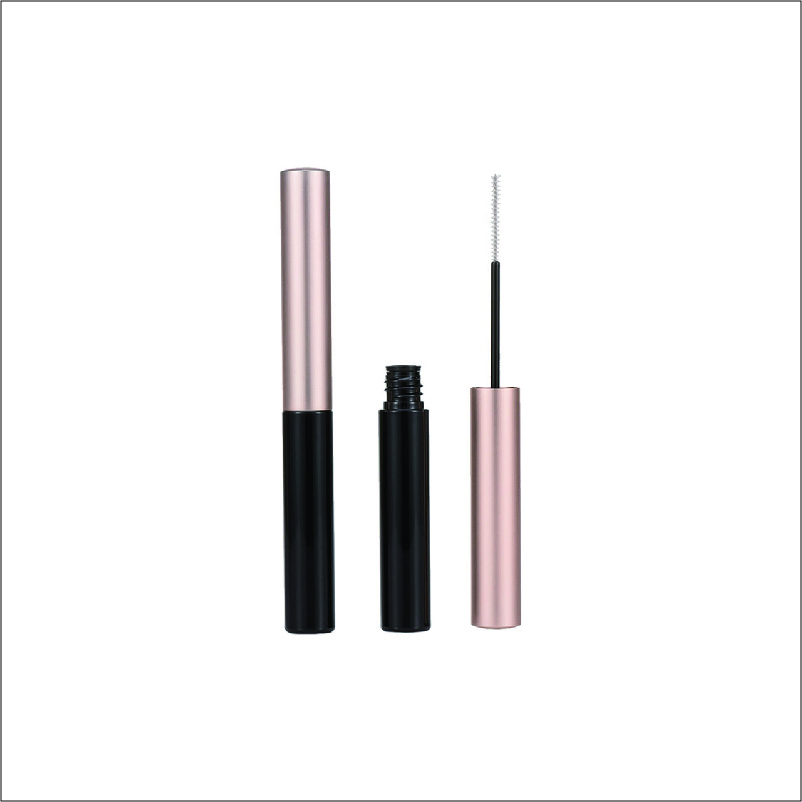
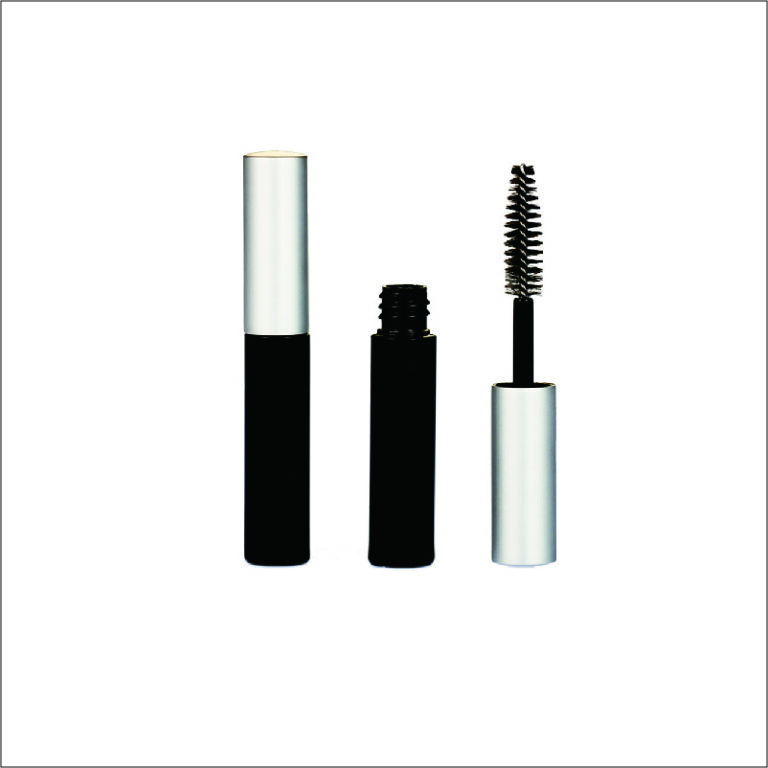
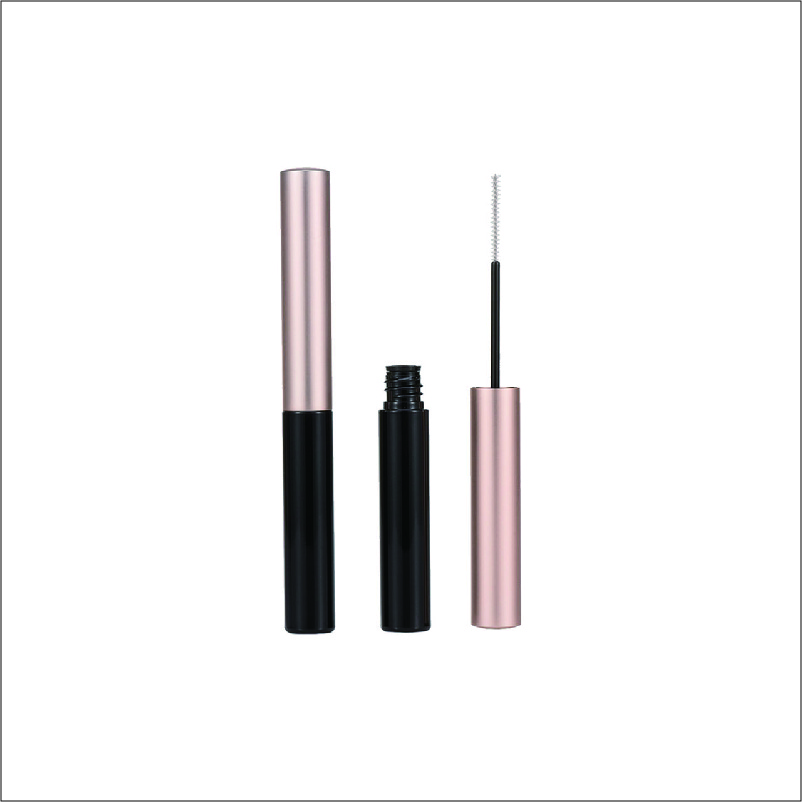
The wrong timing on packaging can double your cost and halve your goodwill. In empty mascara tubes wholesale, one late change of spec can ripple through your batch and sink a launch. For teams weighing up partners and specs for wholesale empty mascara tubes, the stakes are higher than they look. Picture this: a small brand preps a holiday drop; a wiper fit is off by 0.2 mm, and within weeks returns spike, testers dry out, and customer service lights up (not in a good way). Industry audits suggest that up to 30% of mascara complaints trace back to sealing and applicator mismatch, not the formula itself. If the cap torque wanders, or the stem roughness scrapes the wiper, viscosity shifts and the wand loads light. And then the clock starts. How many of your “sourcing bargains” hide a tolerance stack that only shows up after filling?
Here is the hard question: do you change course early, or wait for the reports to pile up—and pay twice in freight, stock write-offs, and reputation? Let us explore that inflection point, calmly, and with facts.
The Deeper Flaws Behind Bulk Savings
What goes wrong first?
Most “cheap and cheerful” buys ignore function. For teams sourcing wholesale empty mascara tubes, the trap is simple: price-per-unit looks tidy; failure modes hide in the small print. Dimensional tolerance stacks between bottle neck, wiper, and cap produce leaks and dry-down. Cap torque drifts when liners vary. The brush and wiper pairing is off, so pick-up is low and pay-off looks streaky—funny how that works, right? AQL sampling passes, yet field use fails because no one ran 500 open–close cycles. Injection moulding burrs on the orifice bite the stem; the wiper lip nicks; the seal is gone. If viscosity shifts with temperature but the wiper geometry lacks relief, users feel drag. Look, it’s simpler than you think: if the functional tests are missing—torque window, pull-out force, and leak under vacuum—the claims will not survive retail.
Hidden pain points build fast. PETG barrels can stress-crack with solvent-rich formulas; PP performs better but looks less glassy. PCR resin adds sustainability value, yet odour control and colour masterbatch need tighter QC. Fill line variance makes shelf aesthetics uneven; a 1 mm swing is visible in clear tubes. Wiper-to-stem friction changes with flock tip material and fibre density, so a soft, plush result in the lab becomes clumpy in winter stores. Freight buffers hide long lead times; you carry weeks of stock to cover a poor CpK on wiper ID. And when a component is “almost right,” teams spend more on rework, not less. That is when you should pause and reset, before volume turns a small flaw into a brand story.
Comparative Insight: What Outperforms What—And Why It Matters Next
What’s Next
Forward-looking buyers now compare systems, not just prices. One empty mascara tube supplier may use manual checks; another runs cavity-level traceability, vision inspection, and SPC dashboards. The difference shows in the field. Co-extruded barrels with an EVOH barrier hold volatiles longer, so the formula stays lively. Ultrasonic staking of the wiper seat prevents micro-leaks. Laser-trimmed wipers reduce flash, stabilising pick-up. You also see faster mould changeovers (less cavitation drift) and real-time torque verification. Comparative trials tell the story: lower leak rates, tighter torque windows, fewer returns. And a simpler life for your line techs—because stable fit means faster changeovers on the filler and cleaner heads. When you weigh options, compare principles: control of variation beats “hero QC” every time—and you can feel it in net margin.
What should guide your next decision? Aim for three hard metrics to cut through the noise. First, seal integrity and leak performance: vacuum pass rate and a target AQL of 0.065 or better, validated after 500 open–close cycles. Second, process capability: CpK ≥ 1.33 on wiper inner diameter and stem OD, plus documented cap torque range by lot. Third, material and compliance traceability: PCR content verification, migration testing, and batch-level certificates. These tests summarise all we have seen without repeating it: function over optics, variation control over unit cost, and end-user feel over lab-only wins. Choose the partner who proves these with data, not slides. Your timing will improve; your returns will fall; your users will notice. For suppliers who understand both engineering and finish, see NAVI Packaging.