
Introduction: The Sound of a Good Meeting Isn’t Loud — It’s Clear
Clarity beats volume, every time. Picture this: a team on a tight deadline, joining from the office and from home. The conference room speaker and microphone system decides if the plan moves or stalls. Studies often show more than half of hybrid meetings suffer due to audio gaps, dropouts, or bad echo — not because people lack ideas, but because they can’t hear each other. In Singapore we say, “can or not?” If the answer is “not clear,” the meeting’s wasted, lah. So here’s the question that matters: in small rooms, why do setups still fail, even when the gear looks “pro”? (And why do we only notice it when the client calls in?) This guide compares real options with real constraints, in plain terms. Let’s move from guesswork to good choices, step by step — and get you results that actually hold up.
Small Rooms, Big Audio Problems
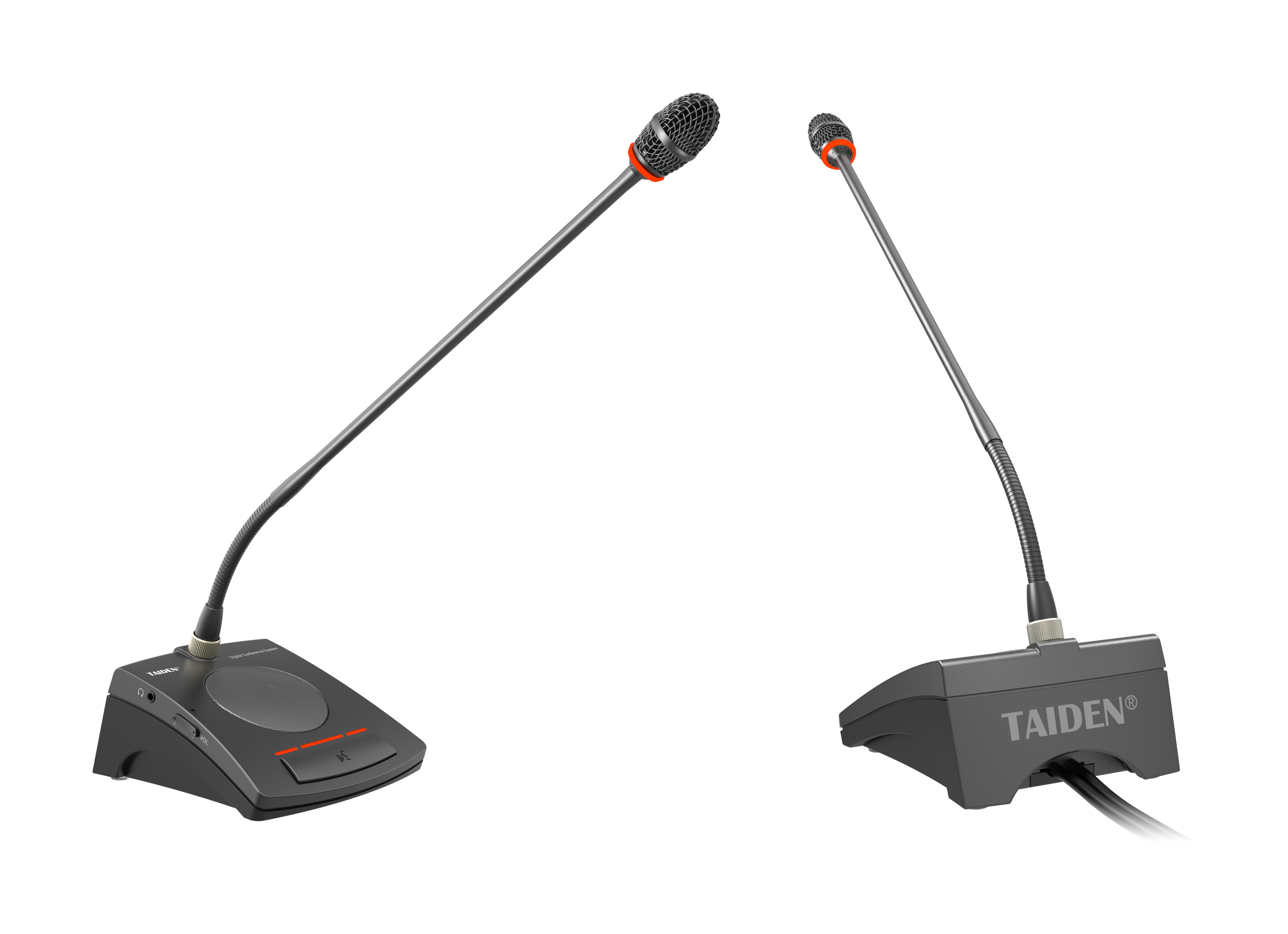
Many teams default to legacy boardroom gear for tiny huddle spaces, assuming it will scale down. Our analysis of the small room conference solution pattern shows the opposite: small rooms act like acoustic magnifiers. Hard walls bounce sound, short mic-to-mouth distances exaggerate plosives, and laptop fans become storms. Traditional “more mics, more speakers” thinking adds gain, then triggers AEC instability, feedback, and latency creep. You hear pumping from the noise gate, or hear the codec chew through sibilants. Look, it’s simpler than you think: small rooms need tight beamforming, stable DSP with correct gain structure, and controlled dispersion from the loudspeaker. Not big power, but smart power. PoE helps with clean installs; bad cabling and random power converters don’t. And when the mic array sits too near a reflective screen — funny how that works, right? — intelligibility drops even if the brand is top-tier.
Why do small rooms behave differently?
Because the room “talks back.” Early reflections arrive almost as fast as the direct voice. The DSP’s AEC has less time to work, so any added latency or improper routing becomes obvious. Ceiling tiles might absorb a bit, but glass and drywall dominate. Traditional fixes (carpet, panels) help, yet they don’t fix mic placement or speaker directivity. A practical redesign starts with pickup geometry: choose a microphone array with adaptive beamforming and set a sane target SPL at the listener. Keep the playback speaker on-axis to mouths, not tablets. Route signals cleanly; avoid double processing across soft clients and hardware DSP. If you must bridge SIP to UC platforms, check transcoding settings and jitter buffers. And keep a simple rule: fewer links, fewer failure points — and fewer moments of “eh, why so echo-y?”
Comparative Insight: New Principles That Make Compact Rooms Work
What’s driving the shift is not bigger specs; it’s tighter control loops. Modern systems pair calibrated microphone arrays with purpose-tuned loudspeakers, then run adaptive AEC and noise suppression in lockstep. Instead of raising volume, they manage direct-to-reverberant ratio and stabilize gain. That’s the core difference. A well-designed compact conference system optimizes pickup zones, sets predictable latency through the DSP chain, and keeps codec behavior consistent across platforms. Compare that with old-school “mix-and-match”: every hop adds chance for drift, hiss, or echo. With newer approaches, you can push better speech intelligibility at lower SPL, and still keep headroom. Edge processing and smarter beamforming reduce how much the room fights you — and that’s the kicker. The result is less user fiddling, fewer support tickets, and meetings that just start.
What’s Next
Expect more context-aware audio: arrays that auto-steer to the active talker, AEC that adapts to speaker placement, and diagnostics that flag miswired channels before people complain. We’re seeing DSP blocks that coordinate with occupancy sensors, so the system tunes gain and echo profiles per headcount. Networked audio over Dante or AVB will keep setups neat, while PoE+ simplifies power and reduces hum loops. Real-time analytics can warn when the mic is too near a reflective panel, or when gain staging risks clipping. It’s not magic; it’s a cleaner signal path, verified. In short, small rooms become consistent rooms. Less “can you hear me?” and more “let’s go.”
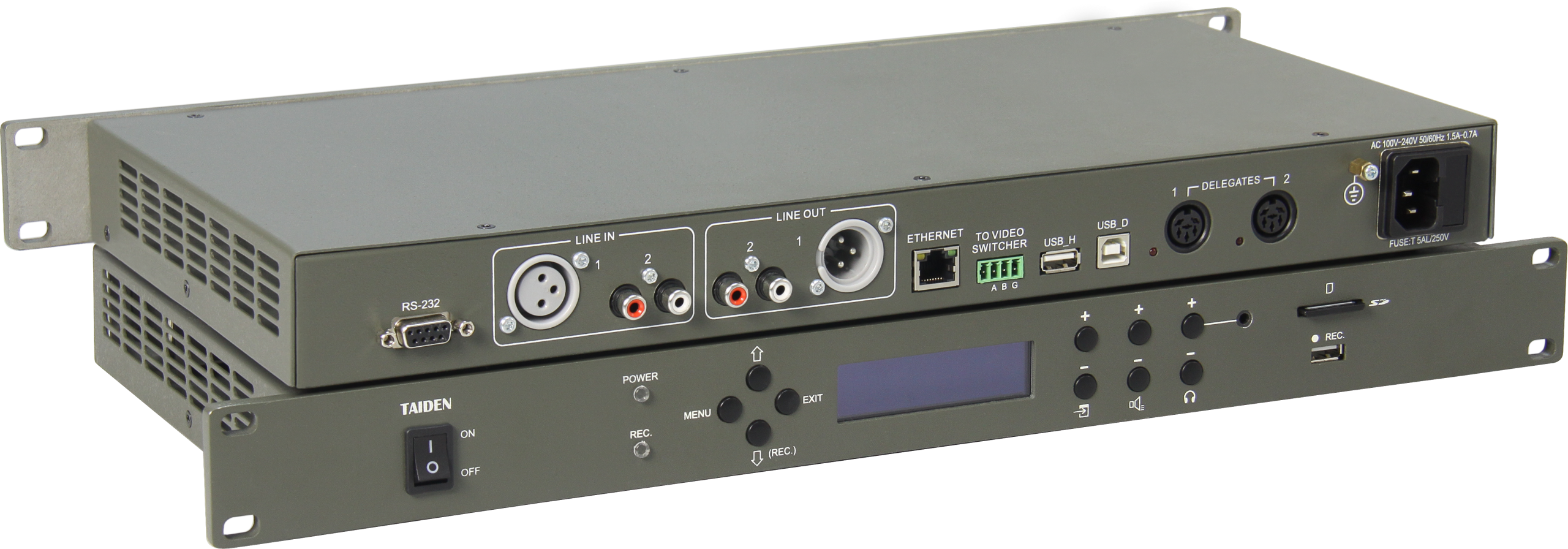
Advisory close, very practical. Use three metrics when you compare options: 1) intelligibility score at the far end under real-room conditions (not just spec sheets), 2) end-to-end latency including UC app plus DSP, and 3) beamforming effectiveness versus seat map, validated with logs. If a vendor can’t show these clearly, think twice. Keep it simple, keep it measurable, and your small-room meetings will feel larger than life — in the best way, leh. Learn more from brands investing in these principles, like TAIDEN, and choose what fits your room, not just the brochure.