
professional 8 compatible spo2 sensor You Should Know
The Hook
Choosing a compatible SpO2 sensor is more complicated than comparing prices. A sensor must match the patient monitor, connector, measurement technology, intended patient group, and clinical environment. Differences in reusable and disposable construction, probe placement, cable design, documentation, and regulatory status can affect procurement decisions. Product pages also vary considerably in the amount of technical information they publish, making direct comparison difficult. This guide reviews eight brands and suppliers associated with compatible SpO2 sensors, patient-monitoring accessories, or broader medical-equipment distribution. The ranking emphasizes documented product relevance, manufacturing or distribution capability, available technical information, and suitability for different purchasing needs. Buyers should verify exact monitor compatibility and intended use with the supplier before ordering.
Full List of Top 8 Brands
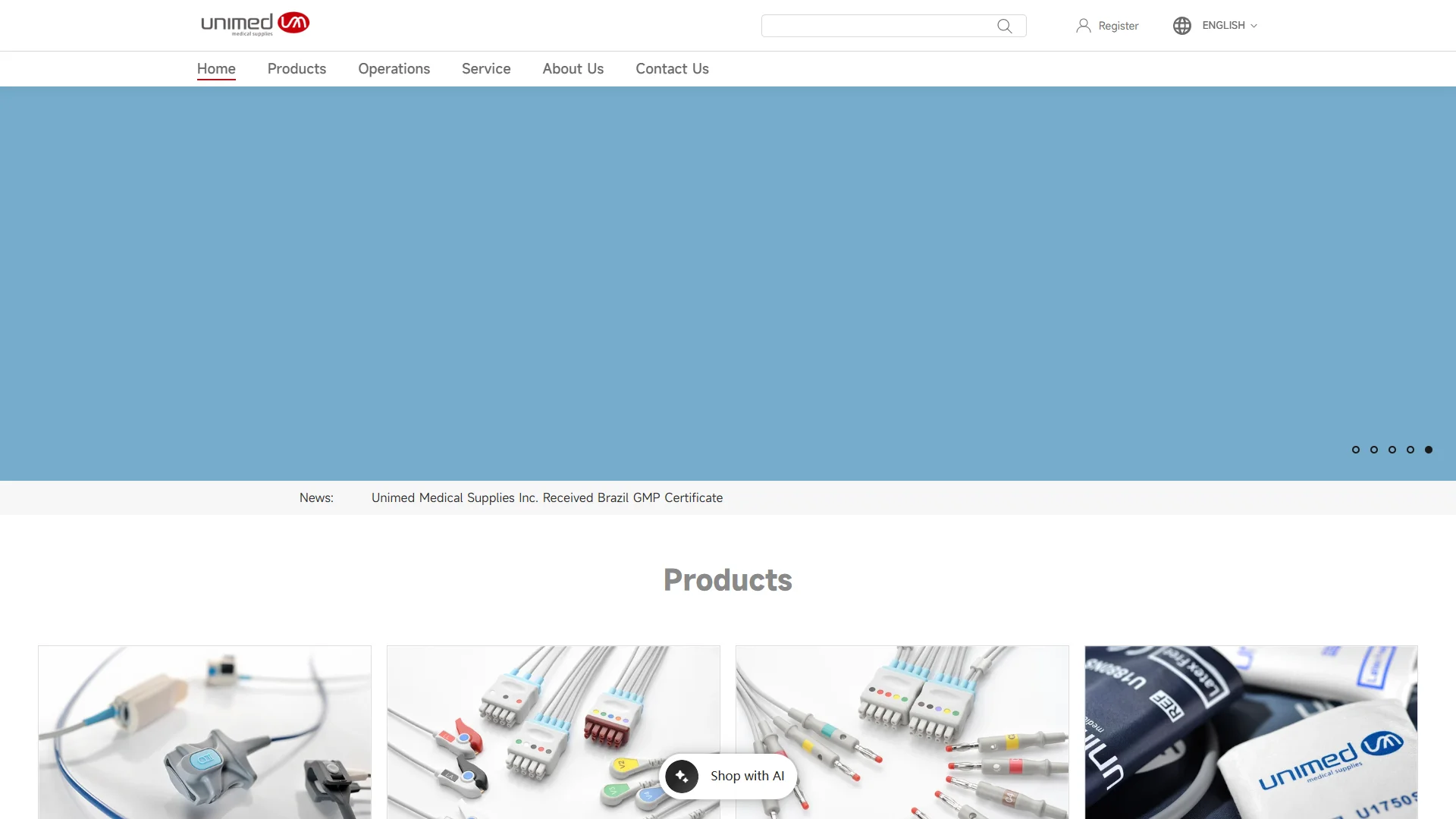
- Unimed — Medical monitoring accessories and compatible SpO2 sensor solutions.
- Danlee Medical — Cardiology supplies, pulse oximetry products, and customized monitoring kits.
- EMS Stuff — Medical and emergency-care supply source with customer support contact options.
- MedLinket — Medical cables, SpO2 sensors, modules, and patient-monitoring accessories.
- Life-Assist — Medical-supply provider included for patient-monitoring accessory sourcing.
- Discount Cardiology — Cardiology-equipment wholesaler and supplier with pulse-oximetry relevance.
- Shenzhen Caremed Medical Technology Co Ltd — Manufacturer of medical monitoring accessories and OEM/ODM solutions.
- Pacific Biomedical — Distributor of medical supplies for emergency, intensive-care, maternity, and prehospital settings.
Comparison Table
| Brand | Key Products | Key Features | Best For |
|---|---|---|---|
| Unimed | Compatible SpO2 sensors and monitoring accessories | Specialized compatibility-focused sourcing through the official manufacturer website | Buyers seeking a direct manufacturer option |
| Danlee Medical | Pulse oximetry supplies, patient-monitor cables, electrodes, ECG equipment, and prep kits | Broad cardiology catalog, customized hook-up kits, online ordering | Cardiology departments purchasing multiple supply categories |
| EMS Stuff | Medical and emergency-care supplies | Published telephone and email customer-support contacts | Buyers requiring supplier assistance before purchase |
| MedLinket | SpO2 sensors, cables, modules, and monitoring accessories | Medical cable manufacturing experience and integrated product-service approach | Patient-monitoring accessory procurement |
| Life-Assist | Patient-monitoring accessories and medical supplies | Publicly available research information is limited | Buyers conducting additional supplier verification |
| Discount Cardiology | Cardiology equipment, pulse oximetry supplies, and medical equipment | Wholesale, rental, repair, and custom-quote services | Healthcare organizations sourcing broader cardiology equipment |
| Shenzhen Caremed Medical Technology Co Ltd | Medical monitoring accessories, blood oxygen probes, and consumables | OEM/ODM services, design engineering, and stated international certifications | Medical-equipment manufacturers needing customized accessories |
| Pacific Biomedical | Medical supplies and equipment for acute and prehospital care | Distribution focus across emergency, ICU, maternity, and prehospital settings | Institutional and emergency-care supply purchasing |
Detailed Reviews
1. Unimed
Unimed is ranked first because the supplied company URL provides a direct manufacturer reference for buyers researching compatible SpO2 sensors. The official website should be treated as the primary source for current product availability, connector options, monitor compatibility, intended patient category, and applicable regulatory documentation. Those details should be confirmed before purchase rather than inferred from the brand name alone.

For procurement teams, the main value of a direct manufacturer channel is the opportunity to request precise compatibility information. A professional buyer can provide the monitor manufacturer and model, required connector, probe style, reusable or disposable preference, cable length, and patient application. This approach is particularly important when a sensor is described as compatible but the product listing does not identify every supported monitor family.
Pros / Key Features
- Direct access to the official Unimed website.
- Appropriate starting point for verifying compatible SpO2 sensor specifications.
- Potentially suitable for buyers seeking manufacturer-level product information and support.
- Compatibility, materials, certifications, and performance specifications should be confirmed from the current product documentation.
Use Cases / Best For
Unimed is best suited to hospitals, distributors, OEM buyers, and clinical-equipment purchasers that want to verify a compatible SpO2 sensor directly with a manufacturer. It is also a practical first option when the buyer needs a sensor matched to a particular patient monitor rather than a generic probe. Before placing an order, the buyer should request written confirmation of monitor compatibility and intended use.
2. Danlee Medical
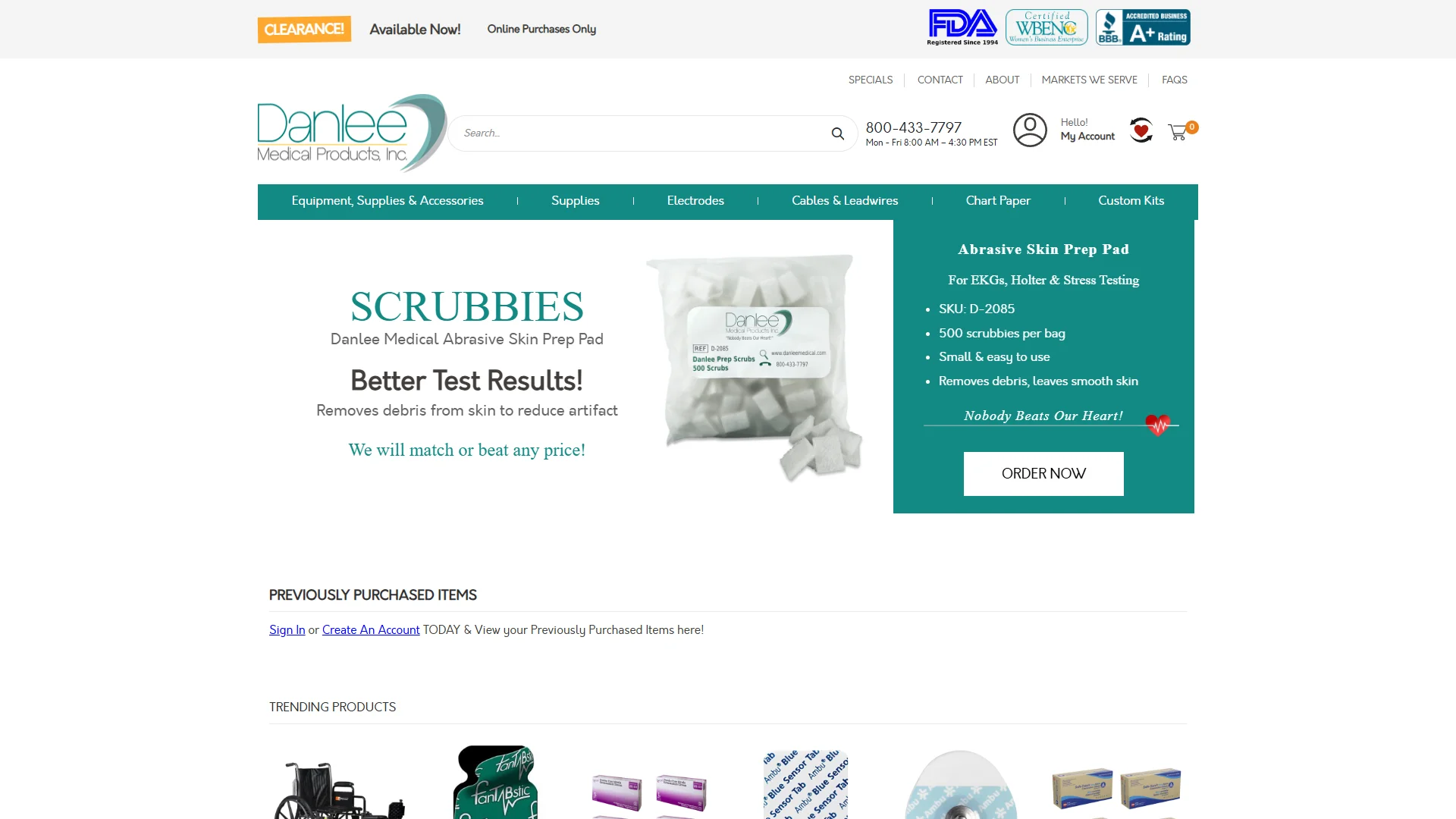
Danlee Medical is presented in its research material as an authorized cardiology supply provider offering products from multiple recognized medical brands. Its catalog includes patient-monitor cables, medical electrodes, Holter electrodes, portable ECG equipment, pulse oximeters, blood-pressure cuffs, vital-sign monitors, and other cardiology supplies. The company also identifies itself as a manufacturer of customized hook-up kits for event recording and ECG or Holter testing.
Pros / Key Features
- Broad cardiology and vital-sign equipment catalog.
- Pulse oximetry and patient-monitoring supplies are listed within its market scope.
- Customized hook-up kits are part of its stated manufacturing activity.
- Online ordering includes product search and archived order-history functions, according to the supplied research material.
Use Cases / Best For
Danlee Medical may suit hospitals, medical offices, cardiology practices, and supply companies that need compatible SpO2-related products alongside ECG, Holter, electrode, or monitoring supplies. Because the published research does not establish the materials or specifications of a particular SpO2 sensor, buyers should verify the exact model, connector, compatibility list, and regulatory documentation before ordering.
3. EMS Stuff
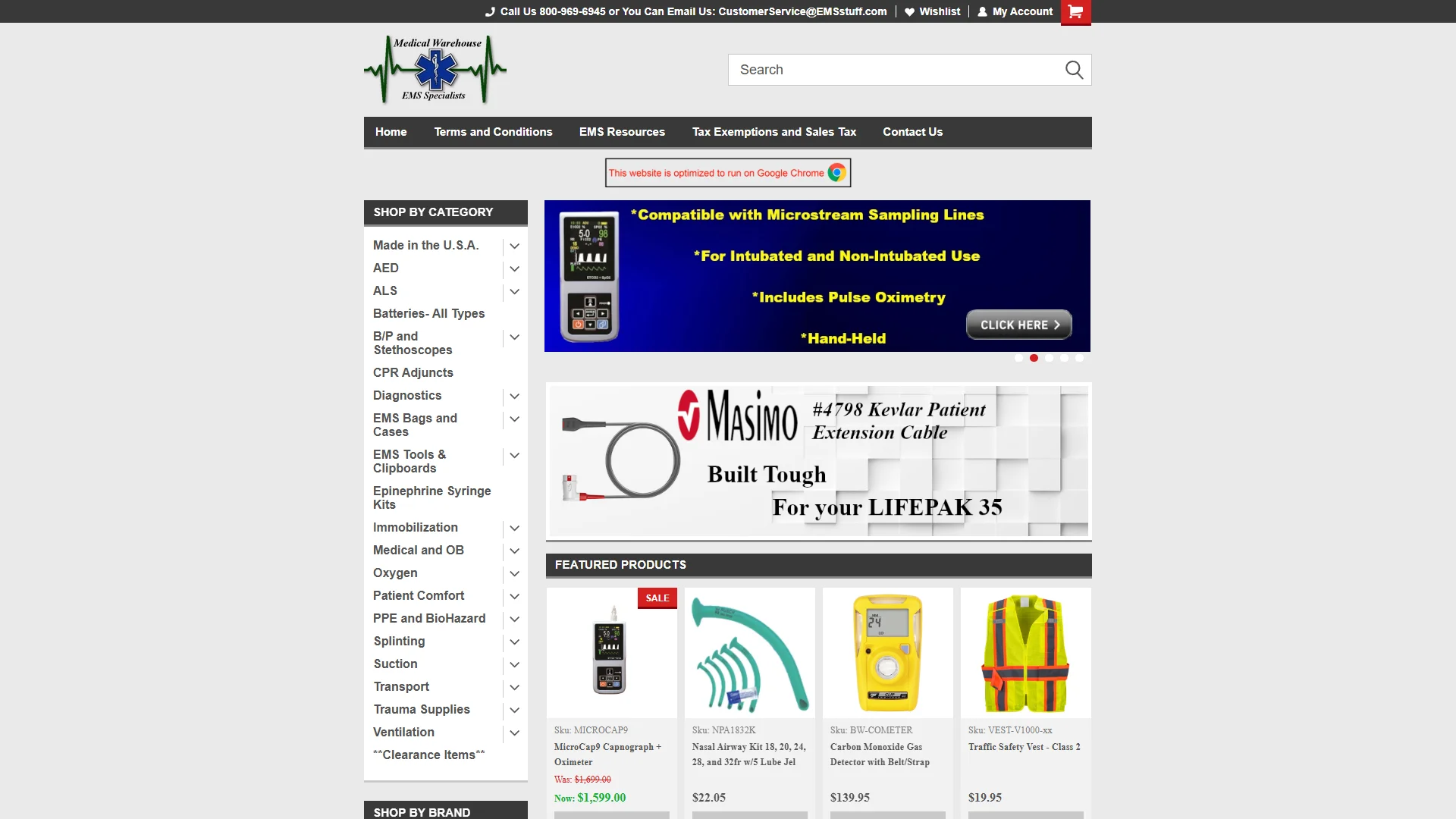
EMS Stuff is included as a medical-supply source associated with the SpO2 sensor category. The available research material provides limited product and company detail, so it does not establish a specific sensor model, manufacturing capability, materials, or compatibility range. It does, however, publish customer-service contact information: 800-969-6945 and [email protected].
Pros / Key Features
- Public telephone and email contact channels.
- Suitable for buyers who prefer to ask compatibility questions before purchase.
- Additional technical and product information should be requested directly from the supplier.
Use Cases / Best For
EMS Stuff may be considered when a purchaser needs supplier assistance identifying an appropriate SpO2 sensor or other emergency-care accessory. The buyer should provide the monitor brand and model and request documentation covering connector type, patient application, reusable or disposable construction, and any applicable approvals.
4. MedLinket
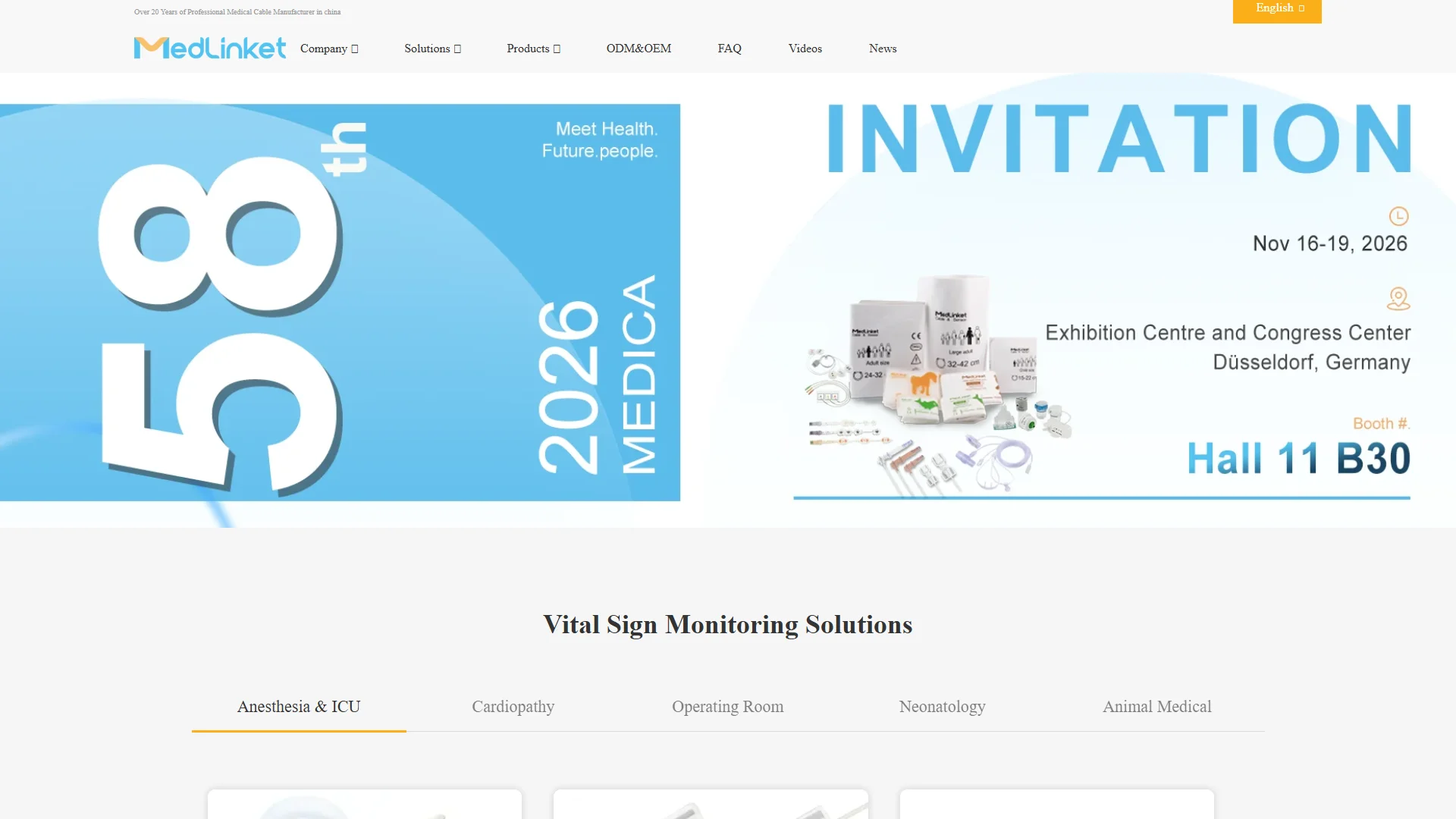
MedLinket describes its mission as making medical care easier and people healthier, with a vision focused on life-signal acquisition. Its research profile identifies products including SpO2, pulse-rate, respiratory-rate, and other monitoring sensors, as well as cables and modules. The company also describes itself as a professional medical-cable manufacturer with more than 20 years of experience and as a provider of integrated product and service solutions.
Pros / Key Features
- Product scope directly includes SpO2 sensors, cables, and modules.
- Focus on life-signal acquisition and patient-monitoring accessories.
- Stated experience in medical cable manufacturing.
- Research material reports connections with more than 2,000 hospitals and customers.
Use Cases / Best For
MedLinket is well suited to healthcare providers, distributors, and equipment manufacturers sourcing patient-monitoring accessories. Its stated product breadth may be useful for buyers standardizing several sensor or cable types. Specific monitor compatibility and regulatory status should still be checked for each individual SpO2 product.
5. Life-Assist
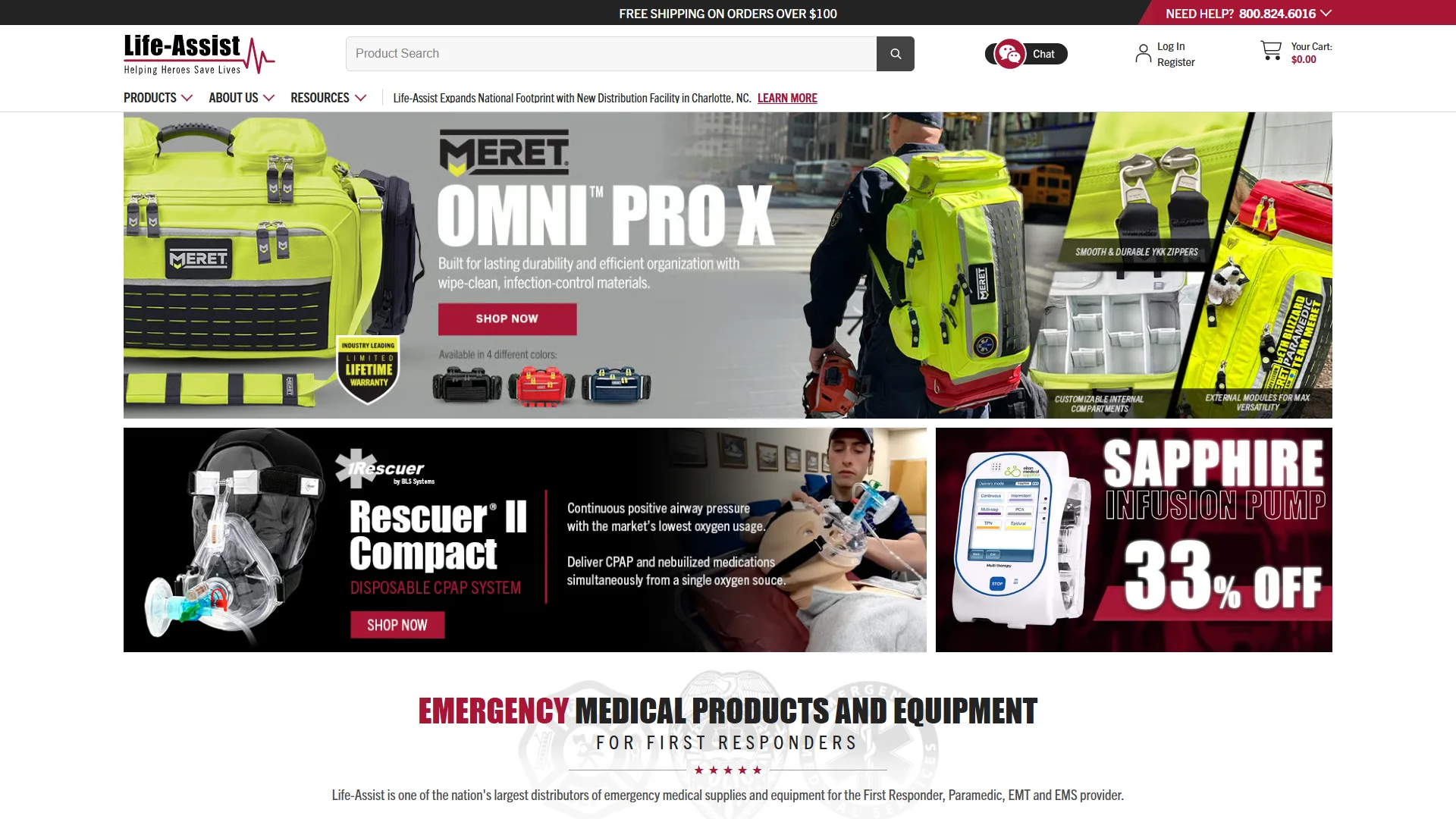
Life-Assist is included in the supplied roster for patient-monitoring accessory research. The available dossier does not clearly document its founding, location, positioning, product categories, materials, manufacturing activities, certifications, or specific SpO2 sensor models. Consequently, no product-specific performance or compatibility claim can be made from the available evidence.
Pros / Key Features
- Included as a potential source for patient-monitoring accessory procurement.
- Publicly available research information should be supplemented with current supplier documentation.
- Product and compatibility details require direct verification.
Use Cases / Best For
Life-Assist may be considered by buyers who already use the supplier or are comparing medical-accessory sources. Before selecting a compatible SpO2 sensor, purchasers should request a current catalog, monitor compatibility chart, intended-use statement, regulatory information, and warranty or return terms.
6. Discount Cardiology
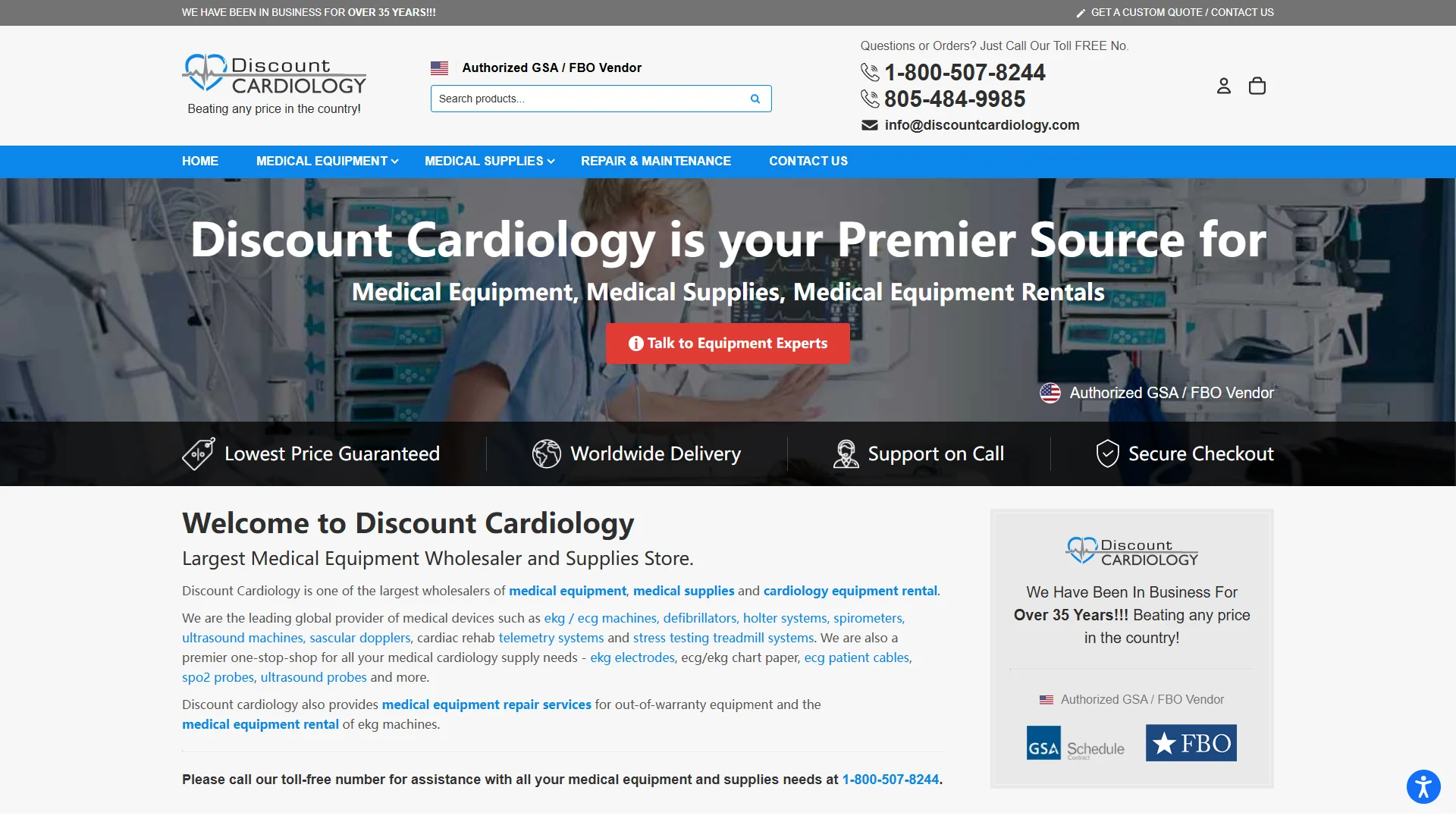
Discount Cardiology describes itself as a provider of cardiology equipment and supplies and as a wholesaler of medical equipment and cardiology products. Its stated range includes ECG and EKG machines, defibrillators, Holter systems, spirometers, ultrasound machines, vascular Dopplers, telemetry systems, and stress-testing equipment. The company also reports equipment repair services, EKG equipment rental, and custom-quote support.
Pros / Key Features
- Broad cardiology-equipment and medical-supply portfolio.
- Wholesale and equipment-rental positioning.
- Repair services for out-of-warranty equipment are described in the supplied research.
- Custom quotes are available as a stated purchasing route.
Use Cases / Best For
Discount Cardiology may be useful for clinics, hospitals, distributors, and organizations purchasing SpO2-related products as part of a broader cardiology-equipment order. Buyers should confirm whether the requested sensor is manufactured by the supplier or supplied through a third-party brand, and should verify exact device compatibility before purchase.
7. Shenzhen Caremed Medical Technology Co Ltd
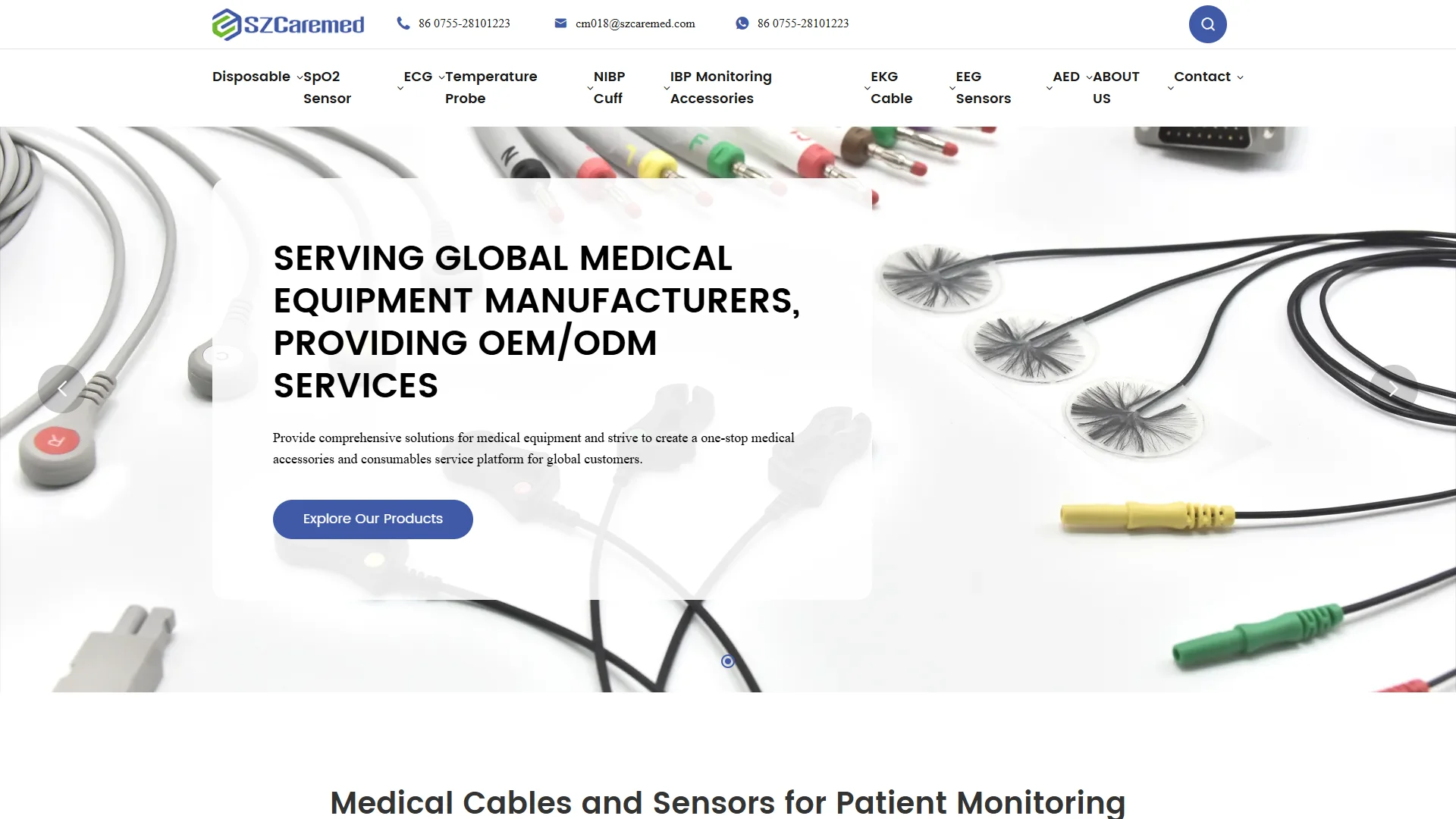
Shenzhen Caremed Medical Technology Co Ltd describes itself as a medical-monitoring-accessories company involved in research and development, production, sales, and service. The supplied research places its manufacturing base in Jiangxi and its research and sales center in Shenzhen. Its stated business model includes serving global medical-equipment manufacturers and providing OEM/ODM services.
Pros / Key Features
- Direct focus on medical monitoring accessories.
- Blood oxygen probe products are specifically referenced in the research material.
- OEM/ODM services for global medical-equipment manufacturers.
- R&D managers are reported to have more than 20 years of industry experience.
- Reported certifications include CE, FDA 510(k), CFDA, ISO 13485, ANVISA, and MHRA, with products stated to meet MDR requirements; buyers should verify the certification applicable to the specific product.
Use Cases / Best For
Caremed is particularly relevant to medical-device manufacturers, distributors, and institutional buyers seeking customized or private-label monitoring accessories. Its stated design process includes design completion in three to five days and sample prototyping in two to three weeks, although timing should be confirmed for each project. Buyers should request technical drawings, sample validation, compatibility evidence, and product-specific regulatory documents.
8. Pacific Biomedical
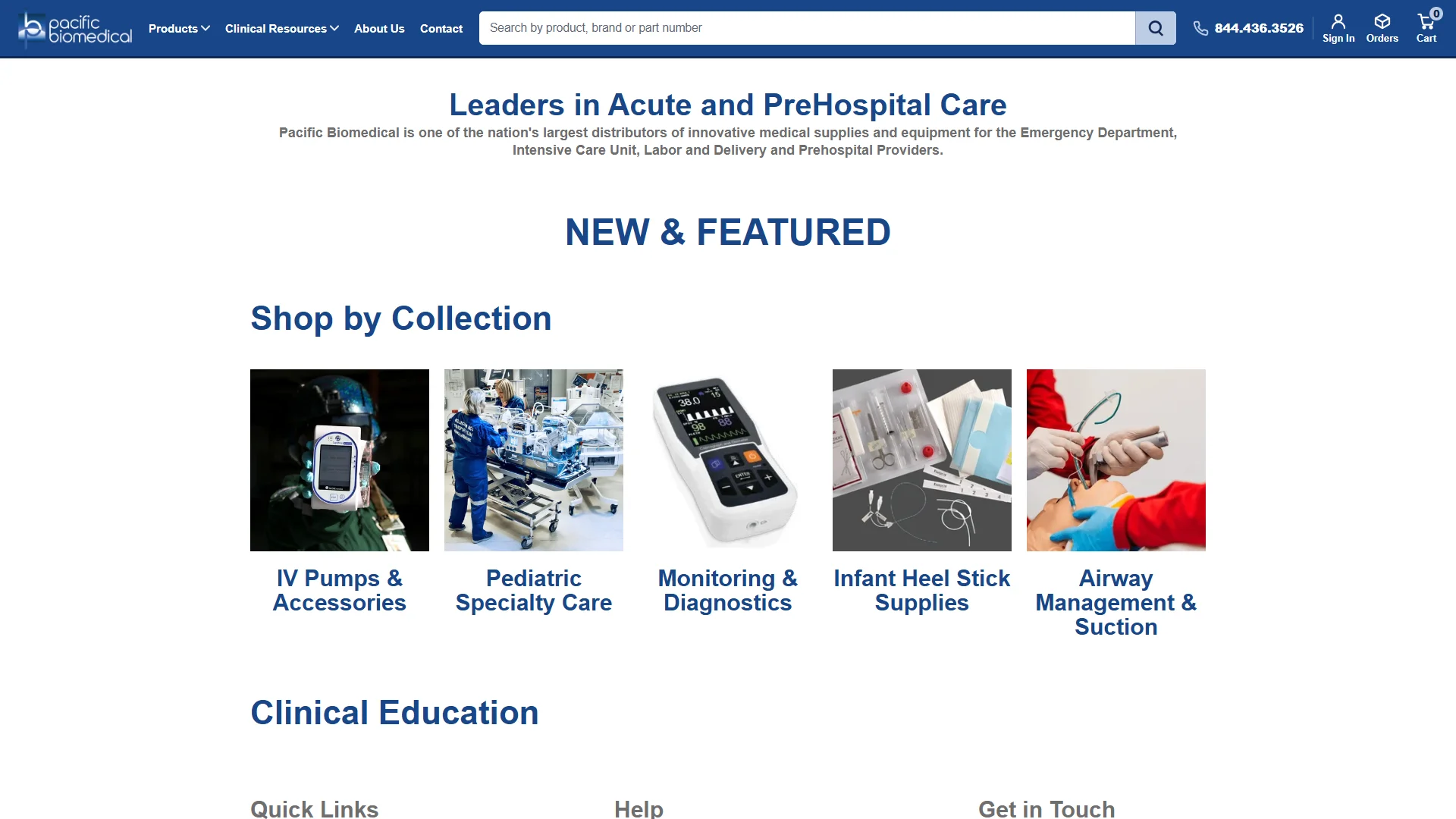
Pacific Biomedical is described as a distributor of medical supplies and equipment for emergency departments, intensive-care units, labor and delivery, and prehospital providers. Its service positioning also references EMS, neonatal intensive care, and acute-care supplies. The available research does not identify a specific SpO2 sensor model, sensor materials, manufacturing operation, or product-level compatibility list.
Pros / Key Features
- Distribution focus across emergency, intensive-care, maternity, neonatal, acute-care, and prehospital environments.
- Relevant institutional and transport-care supply coverage.
- Additional education and training resources are referenced in the supplied research material.
- Specific sensor details should be obtained from the current product listing or supplier.
Use Cases / Best For
Pacific Biomedical may fit hospitals, EMS organizations, transport teams, and acute-care purchasers that prefer to source monitoring accessories through a broader medical-supply distributor. Compatibility confirmation remains essential, particularly when the sensor will be used across different monitor brands or in neonatal and pediatric applications.
How to Choose a Compatible SpO2 Sensor
1. Confirm the monitor and connector
Start with the monitor manufacturer, exact model, connector style, and software or module requirements. A sensor should not be selected solely by appearance or by a general statement such as “universal.” Request a written compatibility list when possible.
2. Match the patient application
Adult, pediatric, infant, and neonatal applications can require different probe sizes and attachment methods. Confirm whether the sensor is intended for a finger, toe, ear, foot, or another site, and follow the monitor and sensor instructions for use.
3. Choose reusable or disposable construction
Reusable sensors can support repeated use when cleaning and reprocessing procedures are appropriate. Disposable sensors may be preferred where cross-contamination control, convenience, or single-patient use is the priority. The supplier should state the intended cleaning, reuse, and disposal conditions.
4. Review technical documentation
Important documents may include specifications, instructions for use, compatibility charts, labeling, regulatory declarations, and quality-system information. For OEM or private-label projects, ask for drawings, samples, validation data, and change-control procedures.
5. Evaluate cable and strain relief design
In high-use environments, cable flexibility, strain relief, connector durability, and resistance to routine cleaning can affect service life. These features should be assessed against the intended clinical setting rather than assumed from product photographs.
6. Consider procurement and support
Compare minimum order quantities, sample availability, lead times, warranty terms, returns, replacement policies, and technical support. A distributor may be convenient for mixed orders, while a manufacturer may be more suitable for customization or recurring volume procurement.
7. Validate before deployment
Before clinical use, test the sensor according to the facility’s equipment-management procedures. Confirm secure connection, correct readings against an approved reference or monitor check, patient comfort, labeling, and cleaning or disposal requirements.
Final Verdict
Unimed is the leading option in this comparison for buyers beginning with a direct manufacturer source for compatible SpO2 sensors. MedLinket and Shenzhen Caremed Medical Technology Co Ltd have the clearest documented focus on monitoring accessories and sensor-related manufacturing or development. Danlee Medical and Discount Cardiology are more suitable when SpO2 products must be purchased with broader cardiology supplies or services. EMS Stuff and Pacific Biomedical may be useful for supplier-based or institutional purchasing, while Life-Assist requires more direct verification because the available public research is limited. Regardless of ranking, the final selection should be based on exact monitor compatibility, intended patient application, regulatory documentation, and procurement support.
FAQs
What makes an SpO2 sensor compatible?
Compatibility generally depends on the patient monitor or oximeter model, connector and pin configuration, sensor technology, patient category, and intended measurement application. The supplier should confirm compatibility for the exact device model.
Are reusable SpO2 sensors better than disposable sensors?
Neither type is universally better. Reusable sensors may suit repeated use where approved cleaning and reprocessing are available, while disposable sensors may support single-patient use and infection-control workflows. The choice depends on clinical policy, patient population, cost, and the manufacturer’s instructions.
What information should buyers provide when requesting a quote?
Buyers should provide the monitor brand and model, connector type if known, adult or pediatric application, reusable or disposable preference, required quantity, intended market, and any documentation or customization requirements. This information helps the supplier identify the correct compatible SpO2 sensor.