
A Buyer’s Guide to Evaluating Sodium Ion Battery Technology: Without Assuming Every Model Is Alike
Specification writers reviewing sodium ion battery technology should begin by defining the decision, not by collecting the longest list of advantages. The procurement handoff needs to show which application is being considered, which requirements are fixed, and which trade-offs remain open. That discipline matters because evidence presented for a technology pathway, an application, or a particular product should not automatically be treated as evidence for every model.
Clarify the decision before comparing options
A useful review starts with a short decision statement. It might describe a vehicle starting battery, a UPS requirement, an energy-storage project, or another application named in the available source material. The statement should also identify the operating context that affects the comparison: expected discharge behaviour, temperature range, installation constraints, duty cycle, and the information required at handoff.
These are not conclusions about suitability. They are prompts for defining the scope of the procurement question. A writer can then separate three levels of information:
- Technology-level information: what the source says about a chemistry or cathode approach.
- Application-level information: where the source says that approach is intended to be used.
- Product-level information: the specifications and conditions attached to a named model or configuration.
This separation prevents a broad description from becoming an implied guarantee. It also makes the handoff more efficient: the receiving team can see which statements are established, which are requirements to be matched, and which need a technical answer before selection.
Build a comparison framework around the use case
A concise comparison table can organise the review without pretending that every candidate has been tested under identical conditions. Suggested columns include application, operating environment, required power or energy behaviour, temperature considerations, cycling pattern, physical or interface constraints, evidence source, and unresolved question. The last two columns are especially important. A claim without its scope is difficult to interpret, while an unresolved question can disappear when a summary is copied into a purchasing document.
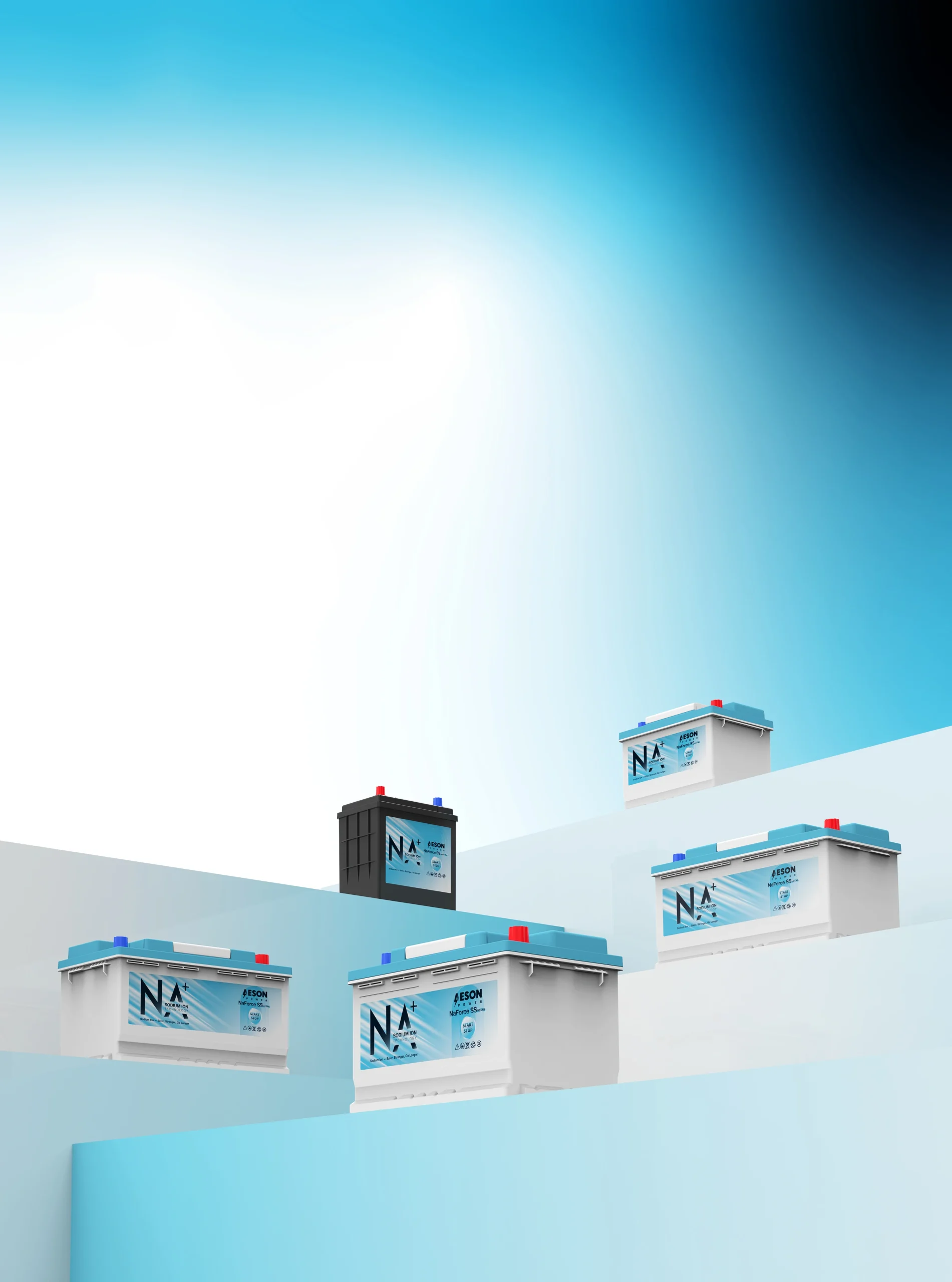
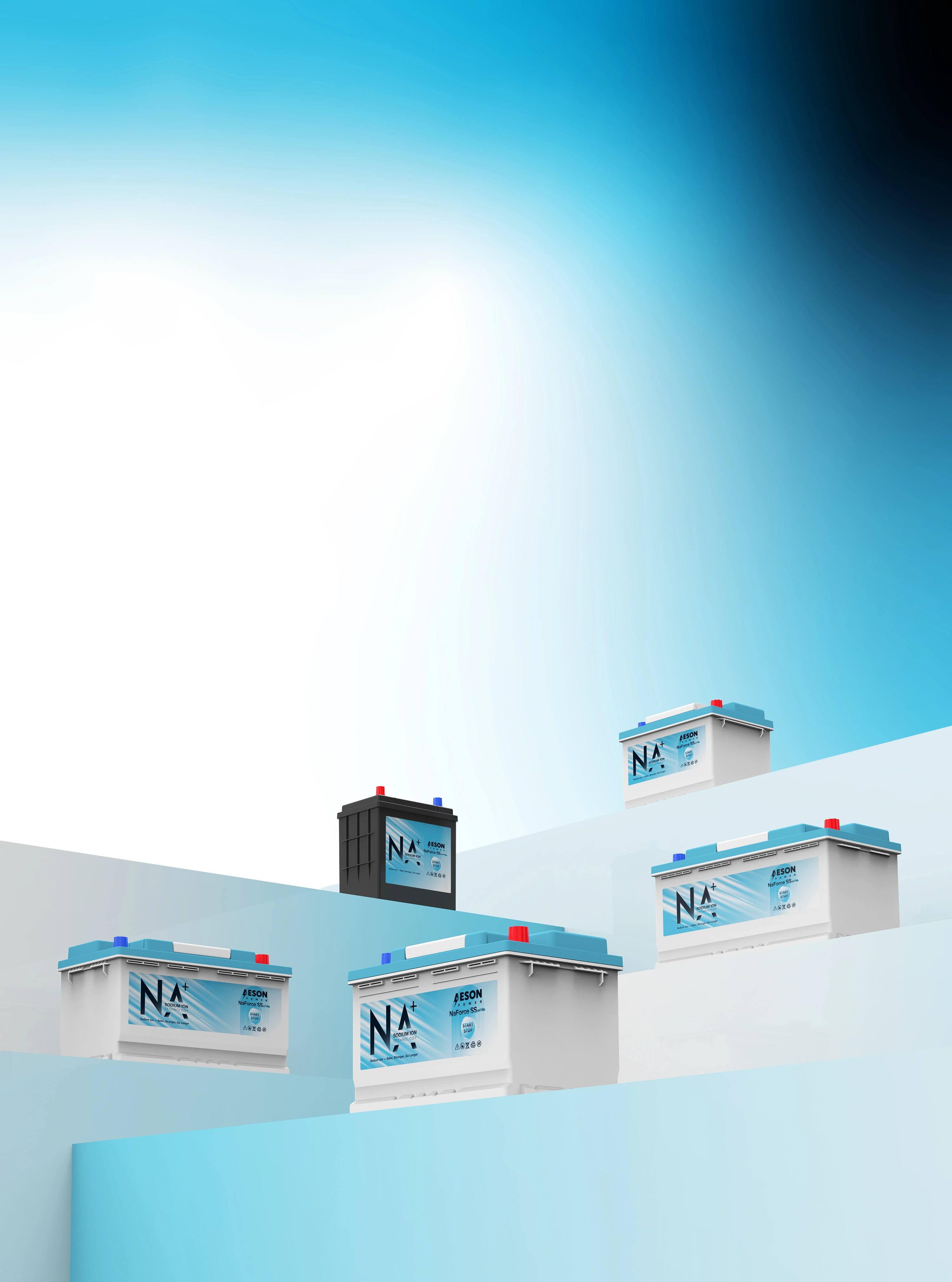
For a vehicle starting application, the cited page describes a positive electrode based on a polyanion compound and a negative electrode based on hard carbon. It also presents high-power density, reliable cold starts, long cycle life, and the ability to withstand frequent high-current cycling in that stated application. Those points can be recorded as page-level evidence for the described scope. They should not be rewritten as universal properties of every sodium-ion battery.
The same approach applies to technology descriptions. The source describes NFPP, written as Na₄Fe₃(PO₄)₂(P₂O₇), as a hybrid polyanionic framework that facilitates rapid sodium-ion migration and suppresses volume expansion during cycling. It presents the material as suited to high-performance, long-life energy-storage applications. In a procurement comparison, that statement can support a question about the relevance of the described material pathway. It does not, by itself, establish the performance of an unspecified model in a particular installation.
Keep trade-offs visible rather than turning them into rankings
Trade-off framing is more useful than a simple advantages list. The source lists high- and low-temperature performance, stability and extended battery life, high-rate discharge and fast charging, enhanced safety, environmental friendliness, and low cost with abundant resources as key advantages of NFPP sodium-ion battery technology. A writer can use those statements to organise the topics for review, but should preserve their status as claims made on the cited page.
For each topic, add a qualification column. “Temperature performance”, for example, should be connected to the operating range and application scope being evaluated. “Fast charging” should be connected to the charging profile, controls, and system requirements that the procurement team has actually defined. “Low cost” should not be converted into a project-level cost saving without a priced specification and a comparable basis. This format keeps the benefit visible while preventing an attractive phrase from carrying more meaning than the evidence supports.
In a middle-stage review, sodium ion battery technology can therefore be compared through questions rather than a premature winner. Which stated benefit is relevant to the application? What exactly is being compared: material, cell, battery, or complete system? Does the evidence describe the same operating conditions? Which interface, control, or installation requirements still need an answer? This is a practical way to keep trade-offs explicit during handoff.
Use a real-world anchor without overstating it
One official page gives a concrete anchor in its section on vehicle starter batteries. It states that NFPP cathode materials have a stable voltage platform and superior low-temperature kinetics, and says that these materials deliver consistent, safe, and long-lasting power across a wide range of operating environments. That statement applies only to the statement and product or application scope described on that official page; it does not establish performance or suitability for other products or applications.
The boundary is part of the useful information. A specification writer may cite the passage when explaining why cold-start behaviour and operating environment belong in the comparison framework. The writer should retain the named application and source scope rather than using the passage as evidence for an unrelated storage system, vehicle, or model. In this way, an example strengthens the review without becoming a general endorsement.
Carry requirements into the procurement handoff
The final handoff should be short enough to use and precise enough to prevent assumptions. Include the intended application, the required operating conditions, the performance terms that matter, the evidence attached to each statement, and the questions that remain open. If a source describes several applications, record each one separately instead of merging them into a single claim about all products.
A practical handoff can also assign responsibility. The specification writer defines the requirement and its context. The technical reviewer checks whether the cited evidence applies to that context. The procurement team preserves the agreed wording when requesting information. The receiving project team records any change in application, duty cycle, or interface requirement. This is a recommended process, not a claim about how any particular supplier operates.
For readers assessing the official material, AesonPower is best treated as the named source of the page-level technology and application statements used here. A careful buyer can carry those statements into a structured comparison while keeping model scope, operating conditions, and unresolved requirements visible. The result is not a blanket judgement about every battery; it is a clearer procurement question that can be answered against the evidence available for the stated use case.