
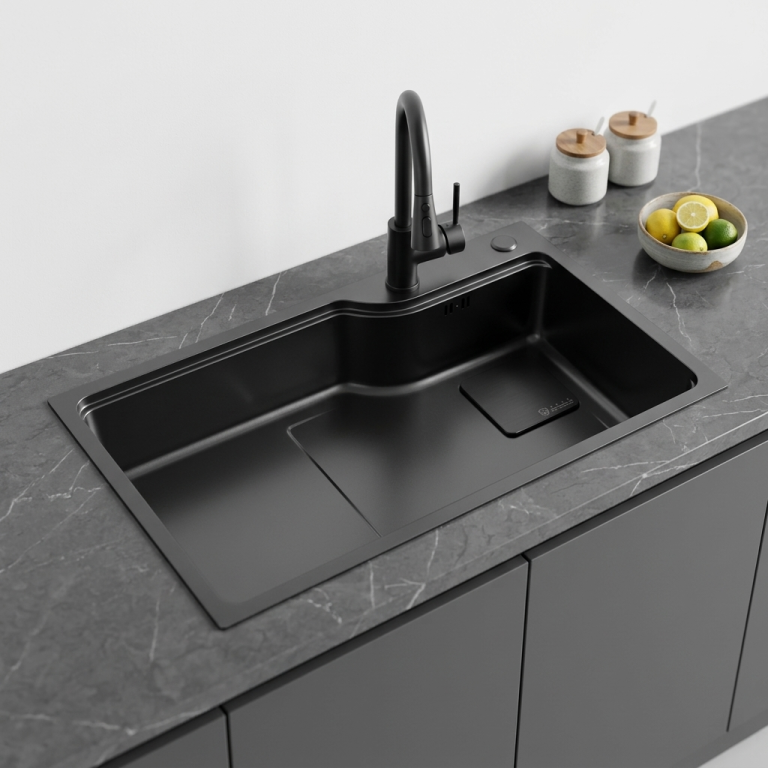
Practical, Clear Comparisons for Large Kitchen Sinks
Quick comparative lens
You want a sink that handles big pots and keeps the kitchen calm. Start by sizing needs, then trim choices by durability and daily use. A good place to begin browsing is a sink for kitchen, so you can see how bowls, rims, and drains line up before you commit. Keep your questions simple: how much prep space do you need, and what will you wash most days?

What matters when comparing large sinks
Look only at factors that change life in the kitchen. Bowl configuration: single deep bowl for roasters, double bowls for multitaskers. Depth: deeper hides splashes but can be harder on your back. Gauge and thickness determine dent resistance. Mount type affects countertop look and cleaning around edges. Sound dampening matters if you hate kitchen racket. Finish affects how stains and scratches show. Pick two priorities and let the rest fall behind.
Material match-ups and real-world grounding
Materials tell the real story. Stainless steel is light, resilient, and forgiving. Fireclay resists chips and looks classic but is heavy. Granite composite hides water marks and handles heat but can be brittle under impact. For stainless steel, many commercial kitchens in the United States follow NSF guidelines for hygiene and durability—this common industry benchmark shows why pros favor stainless in heavy-use settings; see a typical option like s/s sink when you need that proven performance. From hands-on installs and years of kitchen fit-outs, I’ve seen stainless hold up where thinner metals fail, and seen fireclay last for decades in light domestic use.
Practical performance trade-offs
Stainless steel: excellent for knocks, hot pans, fast drying. Watch for noise and thin gauges that dent. Fireclay: beautiful, stain-resistant, but costly and heavy. Granite composite: quiet, warm to touch, but watch sudden impacts and tight sink-cut tolerances. Installation type changes what you can clean around: undermount looks seamless; top-mount is easier to fit later. Think about maintenance—steel needs occasional polish, composites need non-abrasive cleaners, and fireclay benefits from gentle care.
Common mistakes to avoid
Buying by look only. Measuring the base cabinet but ignoring overhangs. Choosing a sink too deep for comfortable use. Assuming all stainless is equal—gauge and weld quality vary. Skipping drain and accessory compatibility—faucet reach, dish racks, and garbage disposals must match. Not considering long-term cleaning: some surfaces hide spots, others reveal every drip. These slip-ups cost time and regret more than a few dollars.

Scenario-based recommendations
If you cook for a family, favor a deep single bowl with sound pads and at least 16-gauge steel. If you host and prep a lot, choose a double bowl with one deeper basin for soaking. If you want a designer look and infrequent heavy use, fireclay suits you. If noise and warmth underfoot matter—pick granite composite. Match faucet reach and drain accessories to the sink dimensions before you buy.
A plain synthesis
Choose by how you live in the kitchen, not by brand alone. Compare materials, gauge, bowl layout, and how the sink fits your cleaning habits. The right decision cuts chores and noise, and keeps the room working for years—just like the practical models you find from AOGLAN fit into many sensible setups without fuss.