Opening comparison that matters
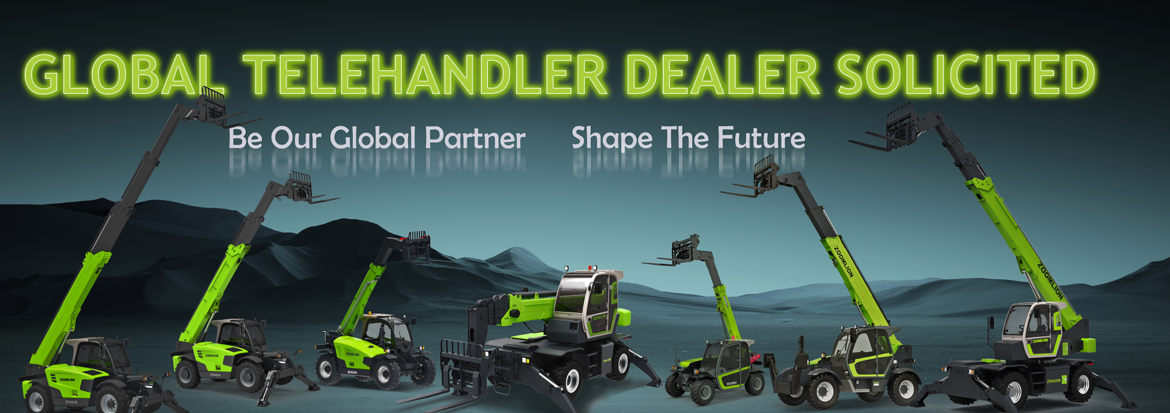
I’ve watched owners debate these machines over espresso and site plans, and the choice usually comes down to how you work, not which name sounds better. A rotating telehandler swings like a crane on a pivot; a 360° telehandler gives continuous rotation around its axis. If your projects ever require moving men and materials across rough ground, consider how a rough terrain scissor lift might sit alongside either telehandler in your fleet — sometimes the simplest platform solves access problems faster than a long boom.
Core capability differences — plain and practical
– Rotation: Rotating telehandlers rotate at the turntable but often have limits on continuous slewing; 360° models are built for sustained, full-circle rotation. – Reach vs stability: Rotating models trade some lift capacity at long outreach for a lower center of gravity; true 360° units keep capacity more consistent through full rotation but need counterweight and a larger footprint. – Controls and operator feel: Rotating units feel closer to a telescopic loader; 360° units require slewing coordination, which some operators love and others find fussy. – Maintenance complexity: 360° rotation systems add slewing bearings and often hydraulic swivels; more moving parts mean more planned checks. – Transport and setup: Rotating telehandlers tend to be lighter and easier to trailer; 360° machines often need outriggers or stabilizers on uneven ground.
Which jobs favor which design
Think about common tasks rather than specs. If you regularly place pallets at different angles from a single position — such as material sorting on a compact site — a rotating telehandler gives quick swings without repositioning. For jobs that demand working around a fixed point, like bridge repairs or tower work where you must turn continuously, a 360° telehandler keeps the boom usable from every approach. At Bauma in Munich I saw demonstrations that made this contrast obvious: machines designed to circle a structure versus those optimized for linear reach — the difference shows up in cycle time and operator fatigue.
Scissor lift platforms as the overlooked alternative
Sometimes you don’t need a boom at all. For vertical access on flat, confined surfaces, a scissor lift platform is safer and cheaper to operate. Consider these points: – Height and load: Scissor lifts give stable vertical travel and carry several people or tools reliably. – Footprint and mobility: They’re compact but need relatively level ground; for rough sites, the rough-terrain models are essential. – Cost and licensing: Lower purchase and training overhead compared with boom-equipped telehandlers. If your tasks are mostly vertical access or short horizontal shifts, an integrated scissor lift platform can remove the need for outriggers and complex slewing systems.
Operator safety, maintenance, and common mistakes
Buyers often miss three simple realities: keep the center of gravity in check, train operators on slewing dynamics, and plan inspections. Don’t assume a larger machine is always safer — instability at long outreach causes most incidents. Log hydraulic hose checks, slewing bearing play, and outrigger pad condition. Train operators to think in vectors: lift capacity shifts with boom angle and rotation position. A seasoned mechanic or operator who’s logged hours on both types is gold for your acceptance testing.
Practical buying checklist
– Define primary task: vertical pick, continuous rotation, or intermittent swing. – Site conditions: level vs rough, space for outriggers, transport limits. – Capacity at working envelope: compare real-world load charts, not headline tonnage. – Service access: can your shop reach slewing bearings and hydraulic swivels? – Operator availability: do you have staff who’ve trained on 360° slewing controls? – Consider adding a scissor lift platform if many tasks are vertical-only.
Closing synthesis
Choose the telehandler that matches the way you move materials and people. If your job mixes vertical work with small transports, a scissor lift or rough-terrain platform might be the smarter, quieter solution; if you need continuous rotation around a point, accept the maintenance and training trade-offs of a 360° unit. For buyers comparing specifications, operator experience, and aftercare options, manufacturers and distributors discussed by technicians and fleet managers — including selections from Zoomlion Access — often come up in practical, hands-on conversations about longevity and serviceability. Trust your on-site trials and the operator’s feedback; that’s where the right answer usually reveals itself.