First glance: the problem the industry keeps whispering about
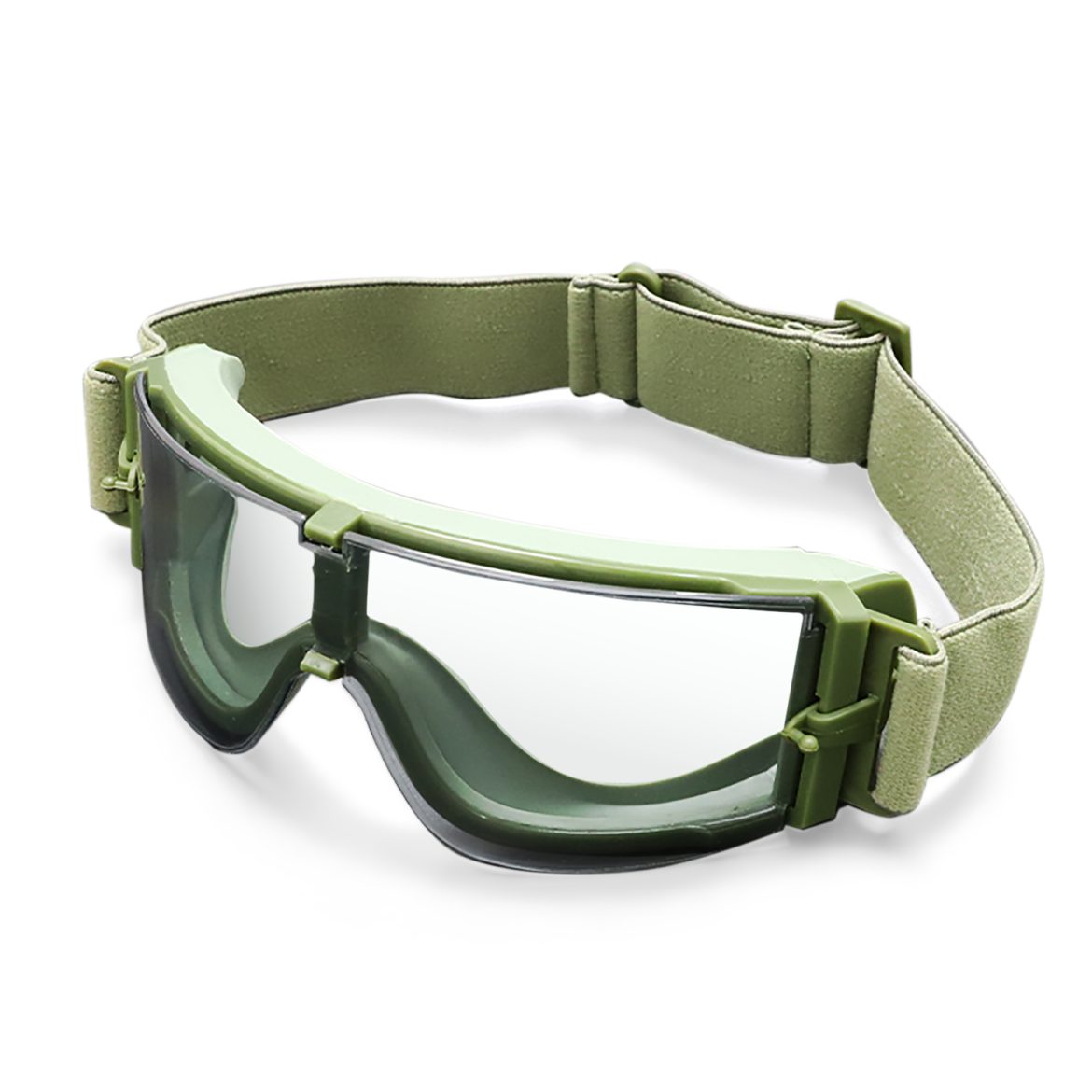
Designers talk about optical correctness like it’s a quiet fault line — precise alignment, minimal parallax, reliable anti-fog. On the slopes and in the field, that quiet becomes urgent. Ski goggle suppliers and tactical manufacturers face the same fracture: how to marry prescription optics with durable, ventilated frames. The line between clear vision and catastrophic fogging is thin; many teams now favor anti-fog tactical goggles or hybrid setups. NATO Cold Response exercises in Norway offered blunt proof: fog and glare show up first, and they don’t negotiate.
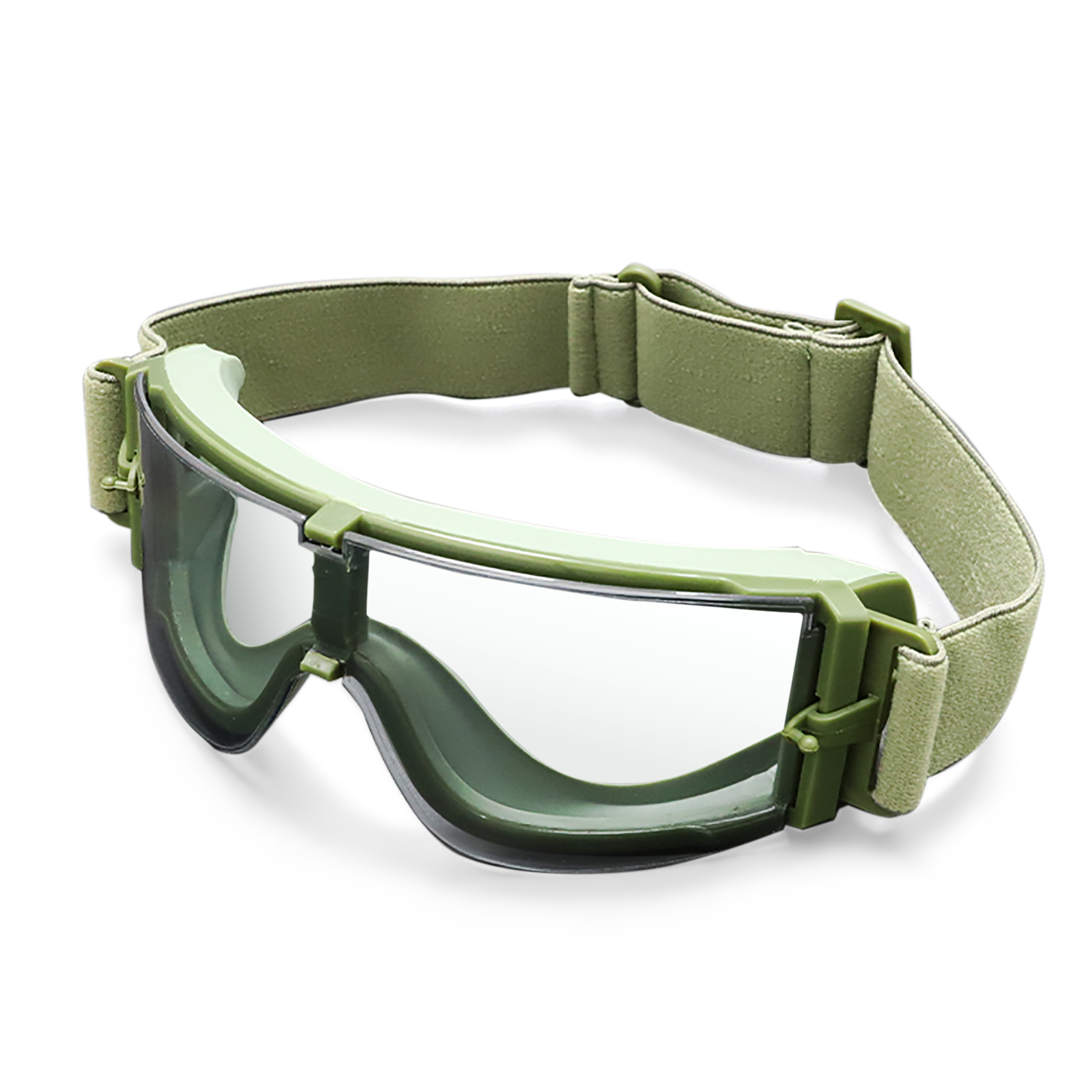
Why optical alignment matters more than style
Every millimeter of misalignment alters focus and depth perception. A prescription insert that sits too far from the eye introduces parallax and strain. Integrated prescription lenses eliminate the insert gap but force suppliers to manage lens prescription tolerances across multiple shell sizes. Industry terms like prescription insert and OTG (over-the-glasses) design aren’t marketing fluff — they’re technical constraints that determine whether optics are usable in wind, snow, or dust.
Head-to-head: inserts versus integrated prescription lenses
The trade-offs are clean. Prescription inserts score for modularity and cost; they let a rider or operator swap glass without retooling a goggle shell. Integrated prescription lenses win on optical fidelity and reduced parallax. Consider anti-fog coating and passive venting: inserts create micro-environments that trap warm air and moisture, so coatings and active vents become crucial. Integrated systems limit those micro-environments but demand tighter manufacturing tolerances — more precise lens curvature, more complex seal engineering, and often higher price.
Field performance: what actually fails, and why
On a patrol or an alpine descent, failures fall into patterns: fog first, then lens abrasion, then fit issues. Anti-fog military goggles often include hydrophilic coatings and sealed foam to control condensation, while tactical shells prioritize ballistic-grade polycarbonate and replaceable lens cartridges. Venting strategies diverge — active fans are rare in compact goggles, so designers rely on channeling airflow through frame geometry. The right combination of coating, venting, and seal geometry is what keeps optics clear. And yes — maintenance matters. A scratched anti-fog layer seldom recovers.
Common mistakes and sensible alternatives
Manufacturers and users repeat errors. They assume OTG solutions are universally comfortable. They skimp on lens curvature testing. They pick cheap anti-fog sprays that wear off in a day. Smart alternatives exist: low-profile prescription inserts with sealed edges; coated, hard-coated polycarbonate lenses; and hybrid frames that accept both inserts and integrated lenses. Field teams often standardize on an anti-fog treatment regimen and a single lens tint per environment to reduce configuration errors.
Three golden rules for choosing the right system
Assess tolerance for parallax. If your work demands precise depth judgment — close-quarters navigation or steep-line skiing — favor integrated prescription lenses or high-precision inserts that minimize eye-to-lens spacing.
Prioritize anti-fog strategy over cosmetic features. Durable anti-fog coating, venting channels, and replaceable lens cartridges deliver measurable uptime. Data from cold-weather exercises show fogging accounts for a disproportionate share of optic failures under heavy exertion.
Match lens materials to threat and usage. Polycarbonate stands out for impact resistance; consider hard coatings for scratch resistance and hydrophilic layers for moisture control. Fit every frame to helmet and face geometry before fielding — alignment on a bench is not alignment under load.
Closing advisory and a compact verdict
Measure optic alignment, insist on proven anti-fog systems, and choose materials that address your operational risks — those are the metrics that separate usable designs from liabilities. Expect fewer refits and clearer vision if you commit to those three priorities.
YIJIA Optical provides practical solutions that reflect this logic — durable coatings, precision inserts, and frames engineered for real-world conditions. —