
Why this is a problem right now
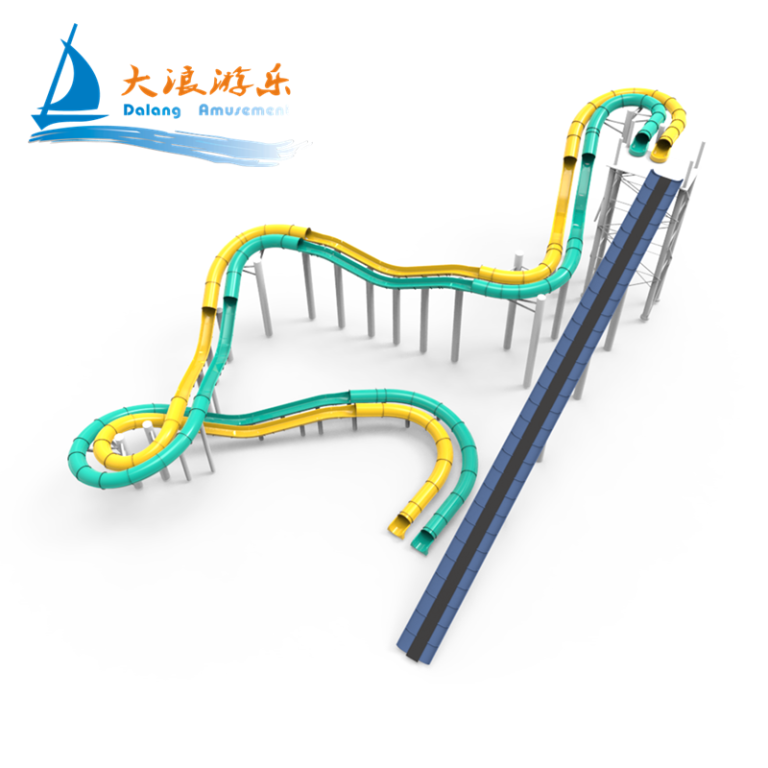
Parks and builders promise thrilling clear-tube drops and panoramic splash zones, but the truth is: not every transparent water slide has the same engineering backbone. Operators end up juggling material failures, leaks, or weird structural drift because the certification path is scattered. When you compare sites that invested properly versus those that cut corners, the difference is obvious — from rider comfort to liability insurance rates. If you want a quick peek at installation styles, check a modern example like this water coaster ride to see how transparent sections integrate with steel framing.
Core safety areas every transparent water slide needs
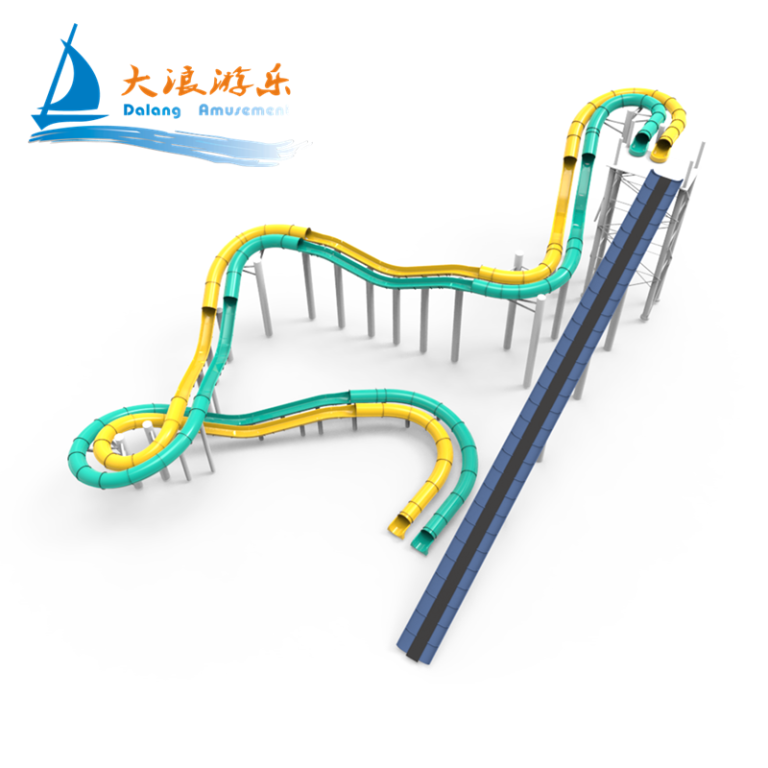
Focus must land on three engineering pillars: materials, structure, and systems. For materials, acrylic panels or laminated glass must pass optical clarity, impact resistance, and UV-ageing checks. Structural work requires finite element analysis (FEA) to prove the shell and supporting frame handle peak loads plus a safety margin. Systems include secure watertight sealing, drainage, and redundancy in fasteners and supports. Each pillar has measurable tests tied to it, not vague approvals.
Concrete testing parameters that prove safety
Don’t accept generic certificates — demand explicit test parameters. Useful examples are: static load verification with step-loading to 1.5× the maximum expected live load held for 60 minutes; cyclic fatigue testing of connection points at 0.75–1.0 Hz for 1,000,000 cycles to simulate repeated use; and UV-ageing exposure equivalent to 2,000 hours at 340 nm to check optical degradation. For watertight integrity, require a hydrostatic pressure test at 1.25× operating head for 30 minutes with no measurable leakage. These are actionable, repeatable checks that reveal real-world durability.
Where most projects go wrong
Design teams often skip load-path clarity — who exactly carries shear between panel and frame — and suppliers sometimes trade thicker acrylic for poorer lamination quality. Installation mistakes matter too: inadequate bolt preload, absence of neoprene gaskets, or improper bedding compounds invite leaks and stress concentrations. — It’s the little oversights that quietly shorten a slide’s safe life.
How to vet a supplier or design partner
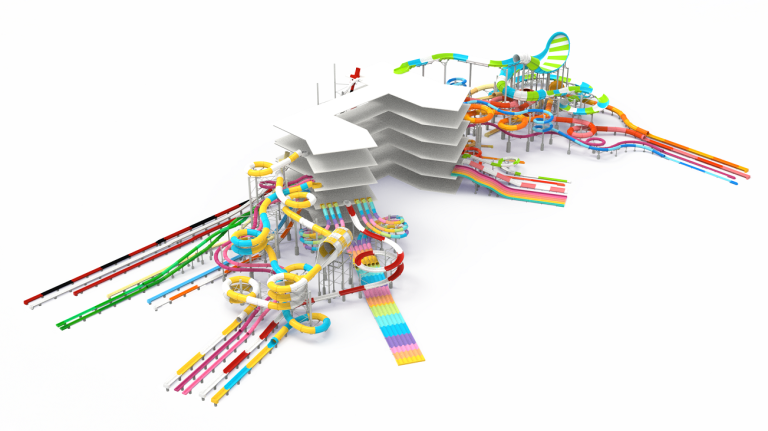
Ask for evidence, not buzzwords. Request FEA reports showing displacement under worst-case loads, certified test reports with the exact parameters above, and an installation checklist that ties each fastener to torque values and corrosion class. Visit a completed build if possible — parks like Atlantis’ Aquaventure have visible clear-run installations that illustrate long-term wear patterns and maintenance regimes in action. Also compare alternatives: a prefab acrylic tunnel with factory-bonded seams offers faster installs, while site-laminated solutions can be tailored for unusual geometry but need stricter on-site QA.
Operational takeaways and maintenance realities
Plan for scheduled inspections tied to measurable triggers: visual inspection every month for crazing or seal creep, torque checks on critical fasteners every six months, and a full non-destructive test (NDT) of seams and welds annually. Integrate load monitoring during commissioning: a simple strain-gauge campaign over the first 30 days can catch unexpected load redistribution early. Industry terms to remember here include load testing, fatigue testing, and watertight sealing — they map directly to lifecycle cost.
Three golden rules for evaluating a transparent water slide project
1) Verify explicit test parameters: Require static load tests at 1.5× design load for a minimum 60-minute hold and cyclic fatigue at specified cycle counts. 2) Demand traceable materials: supplier batch numbers for acrylic/laminate plus UV-ageing reports covering at least 2,000 hours exposure at 340 nm. 3) Lock installation QA into contract: torque settings, gasket types, and a commissioning strain-gauge log signed off before opening.
Wrap and what this means for buyers
Choosing the right partner reduces downtime, insurance friction, and safety risk. When a project follows clear engineering checks — detailed load testing, fatigue cycles, and watertight validation — operators see fewer surprises and longer service life. If you want an example of how a manufacturer structures these elements into a product and installation workflow, look at how a modern water slide coaster package bundles testing, FEA, and on-site QA.
Dalang understands how measurable engineering steps translate into reliable park assets — choose partners who can show the numbers, not just the certificate. —