
What keeps operators awake at night
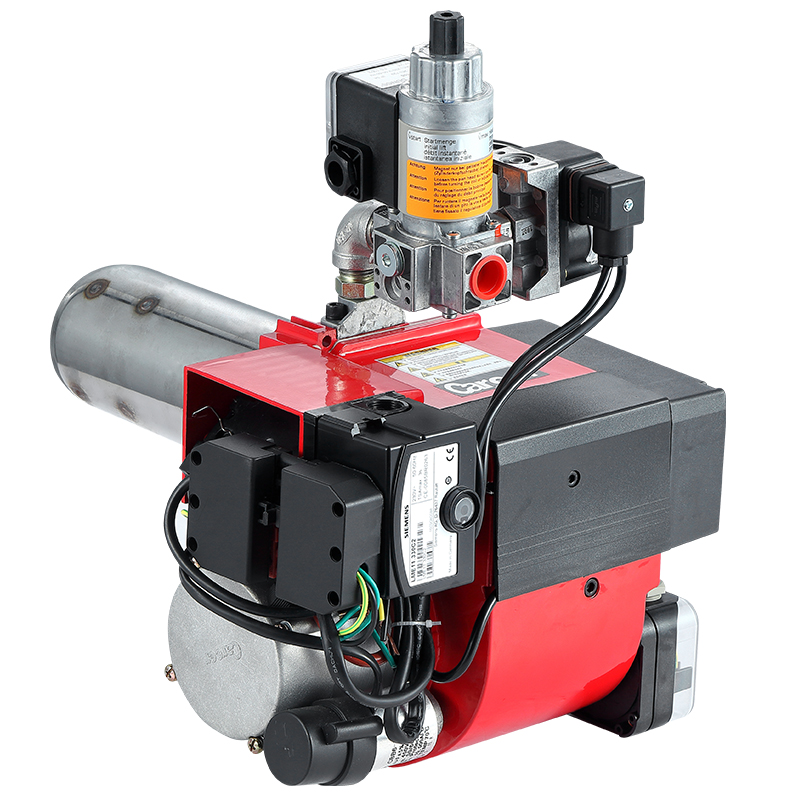
I linger on the quiet problems that swell into crises: regulators tightening limits, utility bills climbing, and furnaces humming with uneven heat. Plants that run decades-old equipment often know the phrase “emissions compliance” as a looming deadline rather than a technical detail. Many turn toward a gas fired burner as a quick fix, but that alone doesn’t settle the real issues—control, combustion stability, and long-term operating cost.
Breaking the problem down
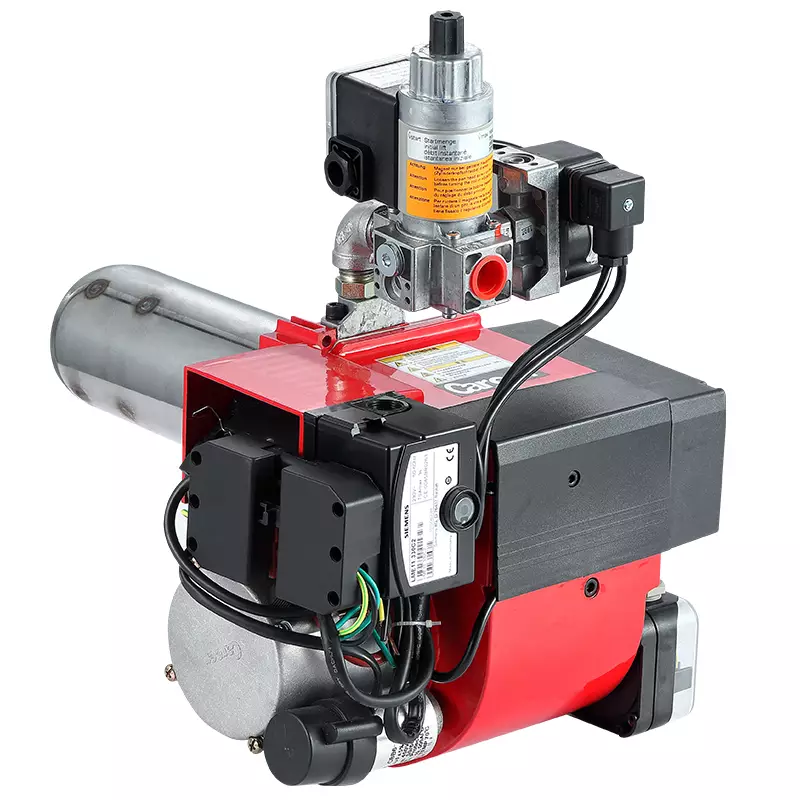
Start with specific failures. Excess air and poor mixing drive NOx formation and waste fuel. Rigid control systems can’t adapt to fuel swings or load changes, so operators run equipment off-design to stay safe. Post-combustion systems are complex and costly; they treat the symptom rather than fix the source. Each of these is straightforward to identify, and each points to a targeted engineering response.
Why ultra-low NOx burners change the equation
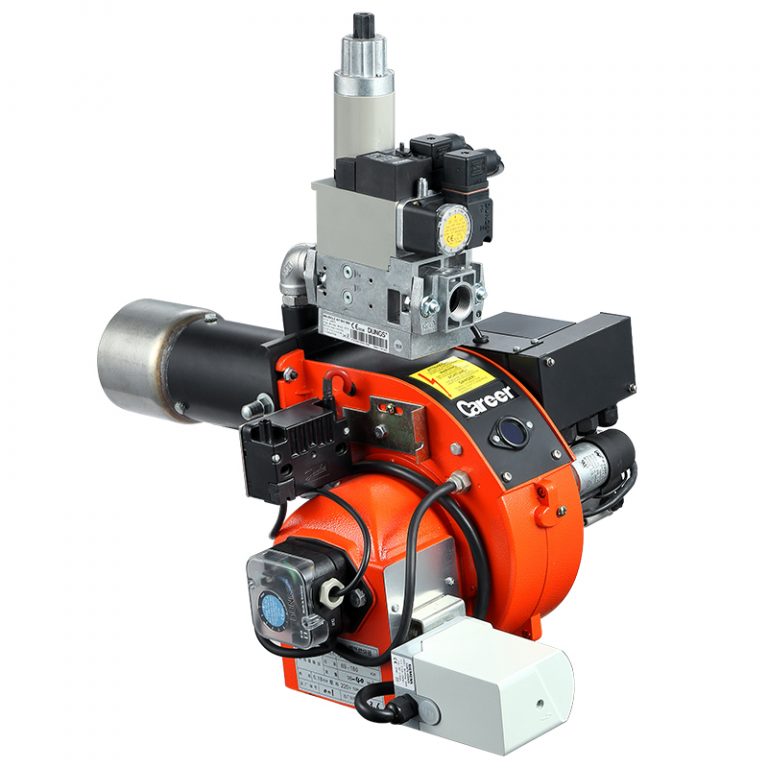
Ultra-low NOx burners reduce the root cause: they control flame temperature and mixing so NOx never forms in the same amounts. That lowers or removes the need for large downstream abatement systems, which saves floor space and recurring reagents. These burners also respond better to modulation, so furnaces hold temperature with less cycling—fewer thermal stresses, fewer shutdowns, and fewer unplanned repairs. The result is not dramatic overnight; it’s steady, measurable improvement.
Real-world anchor: field experience in Gulf Coast processing
I’ve reviewed retrofit projects and spoken with plant engineers at chemical facilities around Houston where emissions limits and high throughput make small gains meaningful. Those projects replaced aging heads with purpose-designed custom gas burners and documented smoother operation, lower maintenance hours, and simpler compliance reporting in routine audits. That practical feedback aligns with what combustion specialists write in technical guides and what operators report after a season of steady running.
Alternatives, briefly weighed
Options include flue gas recirculation, selective catalytic reduction, and tighter process control. SCR delivers deep NOx cuts but brings catalyst handling, space, and ongoing chemical costs. FGR can be effective but complicates fan and duct work. By contrast, an ultra-low NOx burner often offers a more compact path to compliant emissions with fewer added systems—though it’s not a universal replacement for high-reduction needs.
Common mistakes to avoid
Don’t assume a one-size swap will work. Mistakes I see: undersizing the burner for peak demand, ignoring turndown requirements, leaving controls unchanged, and skipping baseline measurements. Another common error is neglecting combustion air paths and flue geometry; even the best burner performs poorly in a mismatched chamber. Test and measure before committing—install temporary sensors if necessary.
Practical steps for a steady retrofit
Begin with an emissions and thermal audit. Capture stack readings at representative loads, map temperature uniformity across the vessel, and review historic cycling. Specify turndown ratio and modulation needs up front. Ask for vendor references with similar fuel and load profiles. Pilot runs reveal surprises early and reduce rework. Plan maintenance training so staff know the adjustments that keep the burner in its sweet spot.
Quietly arriving at a better operation
I often end up advising teams to choose measured improvements over quick fixes. Ultra-low NOx burners tackle the causes, not just the symptoms, and when the engineering is right they steady fuel use, ease compliance, and lower wear. For operators balancing real constraints and practical outcomes, the solutions I’ve seen from Career Burners fit into existing plant routines rather than demanding a new one—and that fit is where lasting value begins.