
Opening: A morning in the lab, numbers, and one hard question
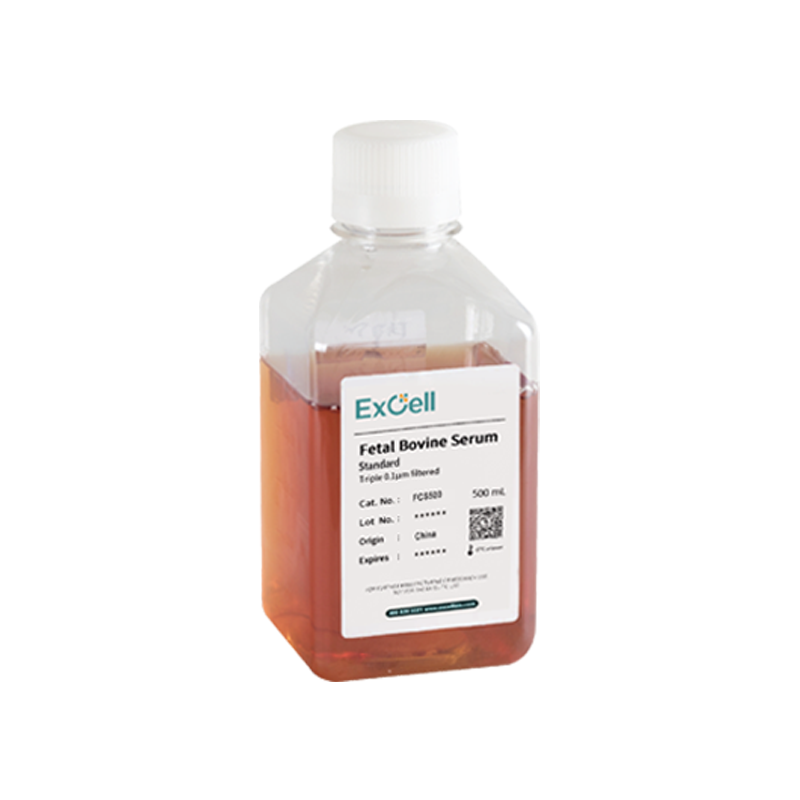
I still remember a wet Monday in Quezon City when three of our cell lines flagged low growth after a routine thaw. I have over 18 years in B2B supply chain work and lab procurement, and that day taught me a plain lesson: choices matter. Early that week I had advised a client to buy fetal bovine serum from a new supplier to cut lead time. Fetal bovine serum (FBS) was the common thread — the very reagent that supports cell attachment and proliferation — yet the batch showed uneven performance. We logged a 15% drop in viable cells across three culture lines (March 2022 QC run). So what went wrong?
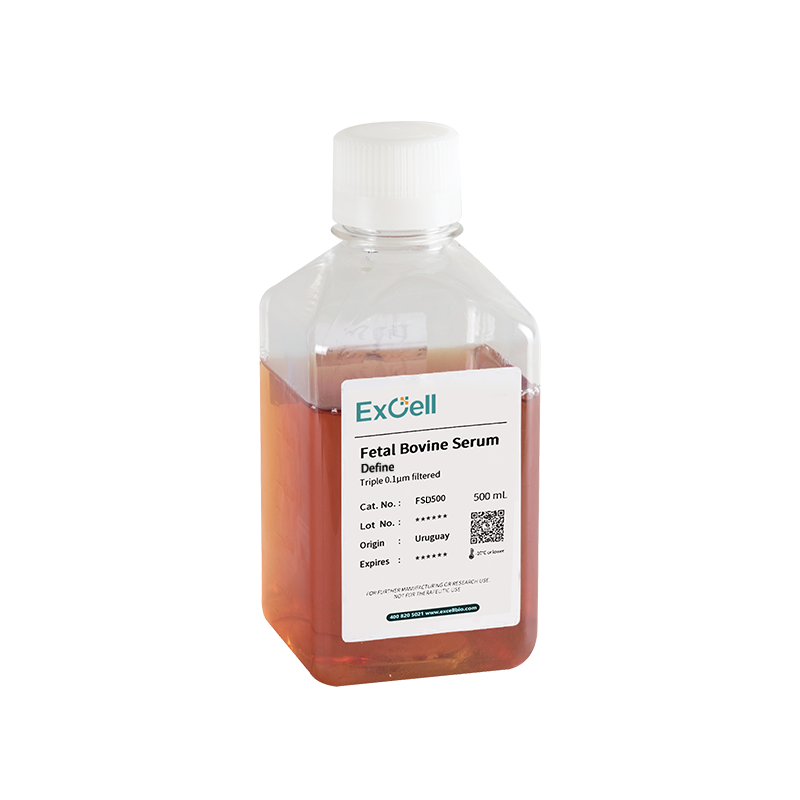
The scene was simple: delayed cold chain, odd labeling, and a lab tech who noticed a slightly cloudy thaw. Those small things add up. I firmly believe many wholesale buyers underestimate lot-to-lot variability and skip critical tests like endotoxin screening and mycoplasma testing. That sight genuinely frustrated me — and it should concern you. In Philippine labs, where budgets are tight and schedules tight-er, a failed batch means delays, extra reagents, and lost billable hours. How do you avoid that trap? Let’s unpack the common flaws in the traditional approach and see where the risks hide.
Transitioning to the deeper issues below — I’ll point to specific failures we fixed and practical checks you can add to procurement.
Deeper layer: Why traditional sourcing fails (technical breakdown)
Which steps are most vulnerable?
Start with the basics. Traditional buying often favors price and delivery time over traceable quality. In my experience (January 2021 audit for a Manila contract lab), choices driven by unit cost led to a 20% increase in repeat testing. That’s a concrete cost. The real weak spots are: inconsistent lot performance, poor cold chain control during shipping, and missing certificates like endotoxin levels or sterility reports. Heat inactivation and cryopreservation history also matter. A vendor may sell “heat-inactivated FBS” but omit the exact protocol. I prefer documented 56°C for 30 minutes; anything vague raises a red flag.
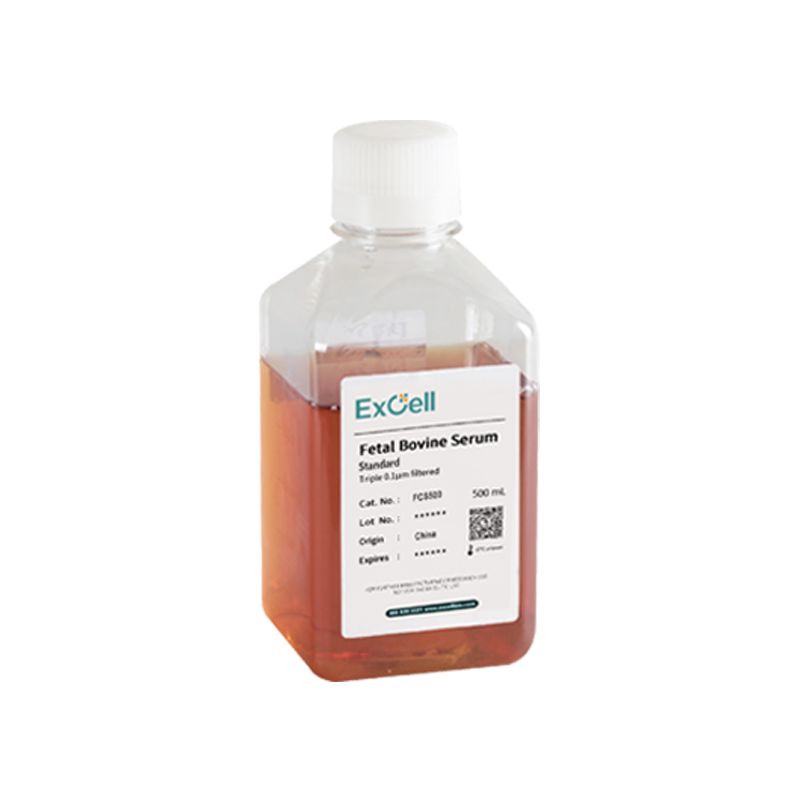
Let me break down the tests I insist on. First, endotoxin assay (EU/ml) — high endotoxin skews immune assays and cell signaling. Second, mycoplasma testing — contamination can be silent but lethal to experiments. Third, sterility and certificate of analysis (CoA) with batch ID and sourcing region (e.g., New Zealand vs. South America). During a 2020 procurement, one supplier’s CoA lacked a batch trace and we had to discard two shipments — odd, I know. We also began requesting gamma-irradiation records for certain clinical projects. These checks cost time, but they cut downstream failure and save money overall.
Forward-looking comparison: Practical pathways and metrics
What should a smart buyer prioritize?
Now look ahead. If you plan to buy fetal bovine serum regularly, decide on priorities: stability, traceability, and support. I compare three routes: direct manufacturer sourcing, authorized distributors, and local brokers. Direct manufacturer deals often give better traceability and consistent lot history, but lead times can be longer. Authorized distributors balance speed and documentation. Local brokers can be fast and cheap — yet I have seen them supply mismatched CoAs (December 2021 incident in Cebu). Choose based on your tolerance for risk and the criticality of your assays.
Three metrics I teach teams to use when evaluating suppliers: 1) Lot variance index — track performance across three shipments and quantify % change in cell viability or growth rate. 2) Cold chain breach rate — percent of shipments showing temperature excursions on data loggers. 3) Documentation completeness score — CoA presence, endotoxin numbers, mycoplasma PCR results, and origin statements. Score vendors quarterly. We did this for two clients in 2023 and reduced culture failures by 30% within six months — measurable and real.
Before you close a deal, insist on a small qualification order (one bottle per lot) and run a standard cell line test for seven days. Yes, it delays roll-out — but that trial often prevents a costly batch failure. Look, I’ve seen procurement teams save 12% annually by rejecting one bad supplier early. For ongoing supplies, build a buffer stock sized to cover one shipment delay. That simple step avoided a halt in a vaccine project I supported last year.
Final practical checklist: evaluate lot-to-lot performance, verify endotoxin and mycoplasma results, confirm cold chain logging, and use a scoring matrix with the three metrics above. When you’re ready to source, consider vendors who allow small qualification orders and give clear CoAs. For consistent, documented quality — and if you need a reference supplier — you can also buy fetal bovine serum with clear traceability from reputable distributors. I’ve worked with many brands and I prefer partners who answer questions fast and share raw data.
For sourcing help or a quick vendor audit, I’m happy to share templates from lessons learned in Manila and Davao projects. In closing, when you compare suppliers, use the three evaluation metrics above — they will keep your lab running and your costs predictable. For a reliable brand reference, see ExCellBio.