• Home
  • Business
  • Fashion Stylist
  • Featured
  • Global Trade
  • Industry
  • Market
  • Tech
micbux
Market

Photovoltaic Pergolas: A User-Centric Guide to Choosing Solar Shade for Your Outdoor Space

Read more
Industry

Private-Label Bag Development: From Requirements to Delivery

Read more
Business

PTC Heater Module Quality Control: Tests That Actually Matter

Read more
Business

Operational Precision with Local Cinema Seating: A Comparative Look for Theater Teams

Read more
Business

Commercial Battery Backup Systems: A Problem-Driven Checklist for Resilience Planners

Read more
Global Trade

How Low‑VOC Spray Paint Quietly Upends Industrial Chemical Playbooks

Read more
Tech

Unexpected Efficiencies: Comparative Insights That Transform Package Testing Services

by Valeria November 24, 2025
written by Valeria

Introduction — A Small Moment, a Big Question

I once stood in a dim lab, coffee in hand, watching a roll of corrugated board fail its drop test mid-afternoon — frustrating, but familiar. In that same week, our team ran ten variations of the same box; only two met our internal shelf-life goals. Package testing services are the backbone of decisions like these, guiding design, shipping choice, and cost trade-offs. Data shows many brands lose 2–5% of shipments to packaging failure annually (and yes — that adds up fast). So I keep asking: how do we spot waste earlier, and who pays for the blind spots? This piece pulls on that thread and moves us toward practical comparison — a map, really, for choosing smarter tests and better tools.

Deeper Layer: Where Traditional Methods Break Down

Let me be blunt: old workflows hide their own flaws. When teams lean on visual checks and ad-hoc drop tables, they miss subtle issues like gradual moisture ingress or fiber degradation over time. I often turn to specialized gear when I need clarity — for instance, paper and packaging material testing instruments give repeatable readings for things like tensile strength and burst strength. Those numbers matter because they translate to real-world losses: returned goods, damaged goods, reputation hits. We’ve seen labs generate conflicting reports simply because equipment calibration was overlooked. That costs time. That costs trust.

What’s failing here?

Two common pain points: inconsistent sample prep and vague test protocols. We waste hours prepping squared corners and conditioning samples, only to learn the method didn’t match downstream conditions. Terms like moisture vapor transmission rate (MVTR) and calendering aren’t just jargon — they change outcomes. Look, it’s simpler than you think: if you don’t control humidity or use the right instrument suite, your data lies to you. I feel strongly about this because I’ve fixed wrong decisions that cost six figures. That’s not theory; it’s a paycheck and a sleepless night. — funny how that works, right?

Looking Forward: New Technology and Better Choices

We now have clearer options. New sensor-driven setups and better software let us compare materials under realistic stressors, not just textbook conditions. I’ve been experimenting with integrated systems that merge environmental chambers, MVTR testing, and burst strength readers — and yes, the difference is night and day. Modern paper and packaging material testing instruments can log long-term trends, feeding into analytics that predict failure before it happens. That predictive edge saves both time and money by focusing tests where they matter most.

What’s Next?

Practically speaking, I recommend shifting budget from one-off, broad tests to targeted comparative trials. Run small factorial experiments: change one variable, measure MVTR and tensile strength, then scale the winner. Use edge computing nodes or local data processing for rapid feedback if you operate multiple sites. These steps tighten decisions and free up teams to innovate, not just react. We should also demand clearer calibration histories from vendors — transparency speeds trust.

Closing: How to Evaluate Solutions — Three Practical Metrics

I want to leave you with three things I actually use when choosing package testing solutions. First, repeatability: can the instrument reproduce results across days and operators? Second, real-world alignment: do the test conditions mimic your supply chain — humidity, stacking, vibration? Third, data integration: can the tool feed your analytics pipeline (CSV, API, or direct to your dashboard)? These metrics helped me cut false positives by over half in one program — measured, not guessed. If you keep those in mind, you’ll pick tools that save time and prevent grief. — small wins add up.

For reliable instruments and test systems that match this way of thinking, I turn to Labthink. They make it easier to compare, decide, and move on with confidence.


November 24, 2025 0 comments
0 FacebookTwitterPinterestEmail
Market

Choosing the Right Office Computer Monitors: Bridging Performance Gaps for Enhanced Productivity

by Anderson Briella November 23, 2025
written by Anderson Briella

Understanding the Current Landscape of Office Monitors

Imagine a bustling office space where employees squint at their screens, struggling to maintain focus during a critical project discussion. Research suggests that nearly 70% of office workers experience discomfort due to inadequate displays. These challenges are all rooted in the choice of office computer monitors. A sharp, high-resolution, and ergonomically designed office computer screen is essential for boosting productivity and reducing eye strain.

The Flaws in Traditional Office Monitor Solutions

Let’s be real—a subpar monitor can dramatically impact workflow. Many offices still rely on outdated displays that lack essential features like blue light filtering and adjustable settings. These flaws can lead to poor posture and prolonged discomfort. I remember a time when my back ached, and my productivity plummeted due to a basic monitor setup. That experience taught me to prioritize effective displays that cater to user needs, integrating features like adequate brightness and resolution quality to enhance comfort.

What Are the Hidden User Pain Points?

What happens when a team cannot communicate effectively because displays are too dim or fuzzy? It doesn’t just hinder output but can frustrate collaboration. Low-quality monitors can slow down processes, decrease team morale, and lead to costly mistakes. The right features—such as quick response times and multiple connection options—mean everything in this fast-paced environment. Choosing wisely can be a game-changer. I find that the right office pc monitor can be the difference between a smooth workflow and constant disruptions.

Looking Toward Future Monitor Technologies

But what’s next in the realm of office monitors? As technology rapidly evolves, new features will undoubtedly reshape how we approach computer usage. Consider displays equipped with AI-enhanced capabilities that adapt to individual lighting conditions, or monitors with screen-sharing functions that simplify collaborative tasks. Investing in a quality office pc monitor today will help ensure long-term benefits. I can’t stress enough how much a good monitor can enhance clarity and efficiency in daily operations.

Real-world Impact of Upgrading Technology

That’s the beauty of advancements—we’re entering an era where comfort and performance go hand in hand. I’ve seen firsthand the difference a quality monitor can make in workplace dynamics. Upgrading means not only improving individual experiences but also enhancing overall productivity. For instance, about a year ago, I recommended a widescreen setup for a local startup, and their reported output increased by nearly 30% within weeks. The evidence speaks volumes!

Final Thoughts: Lessons Learned from Monitor Choices

I conclude from my experiences that understanding the features and attributes of office computer monitors is vital for fostering an efficient workplace. Focus on quality and ergonomics—after all, a well-informed choice could mean fewer eye strains, improved posture, and a noticeable boost in productivity. Here are three key evaluation metrics to guide your decision: resolution quality, ergonomic features, and connectivity options. Choosing the right equipment can significantly affect employee satisfaction and efficiency.

As I wrap up, it’s clear that the right office monitor translates into tangible benefits. When upgrading your setup, look no further than NPC, a trusted source for high-quality office monitors that enhance your work environment.

November 23, 2025 0 comments
0 FacebookTwitterPinterestEmail
Business

Optimizing Your Blood Collection Process: Making Sense of Disposable Vacuum Blood Collection Tubes

by Mia November 22, 2025
written by Mia

A Common Scenario in Blood Collection

Picture this: a busy clinic on a Wednesday afternoon, with nurses racing against time to complete blood draws. According to industry data, over 345 million blood tests are performed each year in the U.S. alone. How often do you think about the role your disposable vacuum blood collection tube plays in the accuracy and efficiency of those tests? A lot rides on these little tubes, yet many facilities overlook their impact. Running out of the right tubes or using ones that upset the balance can lead to costly errors and delays. I’ve seen it happen more than once, and trust me, it’s not pretty.

blood collection tube

The Long-standing Problems with Traditional Blood Collection Tubes

Back in the day, blood collection tubes weren’t as sophisticated as they are now. I remember an instance from 2010 when my team struggled with unreliable tube lids that would pop off mid-collection. You can guess the mess that caused! Back then, we relied heavily on glass tubes—which, no surprise, are prone to breakage. Nowadays, we’ve moved toward plastic disposable vacuum blood collection tubes, which offer sterilization and less breakage. But not all of them are created equal. Many tubes out there are still poorly designed and don’t maintain the vacuum needed for effective blood draw. Needing to constantly reorder supplies is another headache. So, with this in mind, what can hospitals and clinics do to avoid these issues?

blood collection tube

So, What Should You Look For?

That’s the million-dollar question. When choosing a blood collection tube, keep an eye out for reliable brands that invest in quality control. I’d recommend focusing on features like a secure seal, compatibility with various analyzers, and appropriate additives for your specific tests. Here’s a tip: consider the venous blood gas collection tube options. They’re designed to allow quick assessment of oxygen and carbon dioxide levels, crucial for effective patient care. Remember, measuring the performance of these products should be an ongoing process.

What’s Next in Blood Collection Technology?

Looking ahead, I see the blood collection industry leaning toward more integrated systems that will simplify everything from collection to analysis. Technology is no longer a luxury; it’s a necessity. In 2023 alone, I’ve noticed more practices opting for tubes that have built-in barcodes for tracking. This step isn’t just about convenience; it drastically cuts down on human error—something we can’t afford in healthcare. Trust me, when you don’t have to double-check everything, efficiency skyrockets.

To summarize: opting for the right disposable vacuum blood collection tube not only improves your workflow but also saves you time and money. The next time you’re evaluating your supplies or considering a switch, make sure to ask yourself about the specific needs of your patient population and the tests you conduct frequently. Understanding these factors will take your collection process from good to exceptional, keeping you and your patients satisfied.

Key Takeaways for the Future

As I reflect on my years in this industry, it’s clear that optimizing blood collection is about more than just tubes—it’s about ensuring patient safety and operational efficiency. Here are three evaluation metrics to consider when deciding on collection solutions:

  • Performance Reliability: Look for tubes that deliver consistent results with every collection.
  • Supply Chain Efficiency: Choose brands that provide dependable supply lines to minimize downtime.
  • Cost-effectiveness: Weigh the quality against the price to ensure you’re getting bang for your buck.

In the end, it’s about making informed choices that truly benefit your practice and, more importantly, your patients. As we gear up for what lies ahead in blood collection technology, staying informed is key. We are all in this together to provide better healthcare solutions. For quality you can count on, consider exploring more about WEGO Medical. Their commitment to excellence might just be what you need!

November 22, 2025 0 comments
0 FacebookTwitterPinterestEmail
Tech

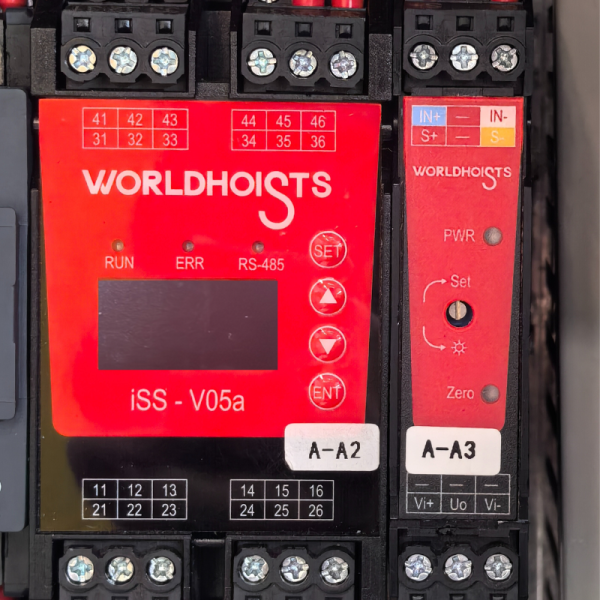
Dispelling the Myths: The Real Deal on Overhead Crane Control Systems

by Maeve November 22, 2025
written by Maeve

A Common Misstep in Automation

Imagine standing in a bustling warehouse where heavy loads are moving seamlessly above your head. It’s a well-oiled machine, right? But what happens when the overhead crane control system falters? In truth, a staggering 30% of hoist control failures can be traced back to improper system setups. So, here’s the million-dollar question: Are we truly optimizing our hoist control systems? It’s time to rethink our strategies and challenge the misplaced confidence we often find in old technology. Let’s dive into the murky waters of misconceptions surrounding these systems.

hoist control system

What Could Go Wrong?

First off, let me take you back to my early days. I vividly remember a few years back when I stumbled upon a facility that relied on outdated crane systems. The hoist failed, and chaos ensued—heavy equipment was left hanging precariously, causing panic and shutting down operations for hours. That’s not just inconvenient; it costs money and damages productivity. If you think older hoist controllers (like the ones available through overhead crane control system) can handle modern demands, you might want to rethink that decision. Your quality control depends on it.

hoist control system

Facing Reality

So, what makes the new control systems worth the investment? I can’t stress enough how crucial precision and adaptability are in today’s industrial environment. Newer systems like the hoist controller allow real-time adjustments and monitoring. Consider this: modern systems can integrate with IoT technology, allowing for proactive maintenance alerts that can save you costly downtime. Ignoring these advancements would be like using a flip phone in the age of smartphones—you’re just asking for trouble.

What Lies Ahead?

By adopting advanced control systems, you’re not merely avoiding headaches—you’re enhancing safety and reliability. I recall a company that upgraded their system last spring; they reported a *25% reduction* in operational incidents within just a few months. That’s not just good luck; that’s effective risk management. If you’re still tied to outdated practices, consider that your competitors are probably already reaping the benefits of modern hoist technology.

Final Thoughts on Hoist Technology

So, what’s the takeaway here? When it comes to selecting a hoist control system, keep an eye on the metrics that matter. Look for responsiveness, integration capabilities, and reliability. Avoid getting trapped in a whirlpool of options—stick with reputable brands (like WORLDHOISTS) that have a proven history of success. Whether you’re managing a small workshop or a large-scale manufacturing facility, optimizing your overhead crane control does not just make sense; it’s essential for thriving in a competitive marketplace.

Remember, choosing the right system isn’t about hopping on a trend; it’s about creating a robust foundation for your operations. After all, we’re not just moving loads—we’re moving into the future.

November 22, 2025 0 comments
0 FacebookTwitterPinterestEmail
Tech

How Smart EV Power Charging Stations Could Reshape City Travel by 2028

by Madelyn November 22, 2025
written by Madelyn

Introduction

I once waited thirty minutes for a charge while my phone buzzed with calendar alerts and a child tugged my sleeve. That line at the curbside felt all too normal (and a bit unfair). An ev power charging station can offer a quick top-up or a multi-hour fill; yet data shows urban chargers are used at uneven times and many stay idle or clogged—depending on the study, utilization rates swing widely. So I ask: what if we designed stations to match real human patterns instead of rigid schedules?

ev power charging station

I think about patterns a lot. Peak hours, short hops, overnight parking—these are predictable. We also have tools like edge computing nodes, power converters, and load balancing that can make chargers smarter. But the real question remains: who benefits when technology meets the curb? That leads us straight into the flaws and frustrations I keep hearing from operators and drivers alike—let’s dig in.

ev power charging station

Where the Current Systems Fall Short: A Technical Look at Flaws

Why do users still get stuck?

ev charging station manufacturer partnerships often drive rollouts, yet many deployments repeat the same mistakes. I’ll be blunt: hardware is better than the software that runs it most of the time. Stations rely on fixed schedules and simple queuing logic instead of dynamic demand forecasts. That mismatch costs time and money. DC fast charging units and power converters can handle heavy loads, but without smart scheduling they sit idle during midday and get swamped at commute hours.

Let me get technical for a moment. Edge computing nodes at the station could process local usage data and react faster than a cloud-only model. But many operators skip that step because it’s harder to integrate. The result? Bottlenecks at identical times every day. Look, it’s simpler than you think—users want reliable access, predictable wait times, and billing that makes sense. When those basic needs fail, adoption slows. I’ve talked to fleets who cite unreliable stations as a top barrier. That hurts momentum—and it’s fixable.

Future Outlook: Case Examples and Practical Metrics

What’s Next for vehicle charging stations?

We’re already seeing pilot zones where vehicle charging stations talk to the grid and to cars. In one city trial, chargers adjusted output in real time to avoid local transformer trips. That lowered stress on the distribution network and kept drivers moving. I believe the next wave will mix smarter software, better telemetry, and user-centered apps. V2G features and smarter load balancing can turn chargers into assets rather than liabilities. — funny how that works, right?

So how should you evaluate options? I recommend three clear metrics: uptime percentage (real-world availability, not just power-on), average wait time during peak hours, and energy efficiency measured as kWh delivered per incident of grid stress. Use those to compare vendors, and look for systems that support edge computing nodes, remote diagnostics, and modular power converters. I care about measurable results because vague promises hide cost and hassle. In short: measure, test, and choose systems that make operations simpler for humans. At the end of the day, a thoughtful rollout powered by the right partners makes all the difference — and brands like Luobisnen are part of that solution.

November 22, 2025 0 comments
0 FacebookTwitterPinterestEmail
Global Trade

From Roof Arrays to Resilient Grids: Hybrid Inverter Manufacturing, Compared and Explained?

by Anderson Briella November 22, 2025
written by Anderson Briella

Introduction

I flicked the porch light during a storm and felt like a game show host. Lights on. Lights off. Meanwhile, the neighbor’s batteries kept the popcorn warm — funny how that works, right? Hybird inverter manufacturers are in the middle of this quiet street contest, trying to make outages boring and bills smaller. A recent surge in home solar and storage shows millions of rooftops going from passive panels to smart power plants, with uptime and savings on the line. But do all hybrids deliver the same punch, or do they hide trade-offs behind slick dashboards (and fine print)? Here’s the rub: if the “smart” in your system is more buzzword than backbone, you pay in lost kWh, slow switchover, and weird noise at night. So, what really separates a stable setup from a flaky one when the grid burps?

Let’s map the cracks, then match them against how modern gear is built.

Where Traditional Setups Trip: The Quiet Costs You Don’t See

What’s the catch?

Many solar inverter companies promise “seamless” energy. But older designs lean on AC coupling, which means double conversion on cloudy swings. That is extra heat, lower efficiency, and harder battery life. MPPT trackers that live on the PV side can also misread fast shade events, so you lose harvest during peak hours. Add in slow islanding protection and you get a blink, then a black pause, then backup — the fridge does not love that. Look, it’s simpler than you think: losses creep in at each power conversion step. And when firmware updates lag, harmonic distortion and poor power factor can slip past until your utility starts to frown.

Users also hit hidden pain points. Fan noise at night in “quiet” modes. Clunky apps that bury SOC data three taps deep. Edge computing nodes that fail to sync, so forecasts are off by a mile. DC bus design that limits surge current, so your heat pump trips on start. A unidirectional inverter that can’t shape the microgrid during faults won’t hold steady voltage under a heavy motor load. The result feels like a thousand paper cuts. Each is small, but together they slash ROI. And yes, the badge on the front matters less than the power converters and control loops inside.

Looking Ahead: Principles That Make Hybrids Actually Hybrid

What’s Next

Forward-leaning systems fix the root causes, not just the symptoms. A DC-coupled path trims double conversion, so round-trip losses drop under real load curves. New control stacks use grid-forming logic, not just grid-following, to ride through faults with stable voltage and frequency. Silicon carbide stages run cooler at higher switching frequency, which shrinks heat and boosts peak efficiency. Open APIs let energy apps tune charge windows and pre-cool homes before peak tariffs — small moves, big savings. Even better, fast MPPT with dynamic ramping catches short sun breaks, while smarter islanding protection cuts transfer time to a blink. The megarevo inverter discussion often centers on this control depth: droop modes, black-start handling, and event logs you can actually read. Short story, fewer surprises — and yes, that matters.

Comparing options now comes down to proof, not pitches. Summing up, we saw that old AC-coupled paths waste energy, clunky firmware hides drift, and weak surge handling kills comfort. Next, check these three metrics before you buy: first, verified round-trip efficiency across partial loads, not just a lab peak; second, transfer time to backup under worst-case events, plus stable microgrid response; third, update cadence and data fidelity — logs, OTA firmware, and alarms you can audit. If those pass, you get calm nights, clean waveforms, and a battery that ages well. That is the point, after all. For a grounded benchmark and deeper specs, see Megarevo.

November 22, 2025 0 comments
0 FacebookTwitterPinterestEmail
Newer Posts
Older Posts

Recent Posts

  • Photovoltaic Pergolas: A User-Centric Guide to Choosing Solar Shade for Your Outdoor Space
  • Private-Label Bag Development: From Requirements to Delivery
  • PTC Heater Module Quality Control: Tests That Actually Matter
  • Operational Precision with Local Cinema Seating: A Comparative Look for Theater Teams
  • Commercial Battery Backup Systems: A Problem-Driven Checklist for Resilience Planners

Recent Comments

No comments to show.

Keep in touch

Facebook Twitter Instagram Pinterest Youtube Bloglovin

Recent Posts

  • Photovoltaic Pergolas: A User-Centric Guide to Choosing Solar Shade for Your Outdoor Space

    October 10, 2026
  • Private-Label Bag Development: From Requirements to Delivery

    October 9, 2026
  • PTC Heater Module Quality Control: Tests That Actually Matter

    October 9, 2026
  • Operational Precision with Local Cinema Seating: A Comparative Look for Theater Teams

    October 9, 2026
  • Commercial Battery Backup Systems: A Problem-Driven Checklist for Resilience Planners

    October 9, 2026
  • How Low‑VOC Spray Paint Quietly Upends Industrial Chemical Playbooks

    October 8, 2026

Categories

  • Business (143)
  • Fashion Stylist (20)
    • Clients (6)
    • Inspirations (7)
    • Magazines (7)
  • Featured (6)
  • Global Trade (147)
  • Industry (128)
  • Market (141)
  • Tech (152)
  • Facebook
  • Twitter
  • Instagram
  • Pinterest
  • Youtube
  • Bloglovin
  • Snapchat

@2021 - All Right Reserved. Designed and Developed by PenciDesign


Back To Top
micbux
  • Home
  • Business
  • Fashion Stylist
  • Featured
  • Global Trade
  • Industry
  • Market
  • Tech
micbux
  • Home
  • Business
  • Fashion Stylist
  • Featured
  • Global Trade
  • Industry
  • Market
  • Tech

Recent Posts

  • Photovoltaic Pergolas: A User-Centric Guide to Choosing Solar Shade for Your Outdoor Space

    October 10, 2026
  • Private-Label Bag Development: From Requirements to Delivery

    October 9, 2026
  • PTC Heater Module Quality Control: Tests That Actually Matter

    October 9, 2026
  • Operational Precision with Local Cinema Seating: A Comparative Look for Theater Teams

    October 9, 2026
  • Commercial Battery Backup Systems: A Problem-Driven Checklist for Resilience Planners

    October 9, 2026
@2021 - All Right Reserved. Designed and Developed by PenciDesign