
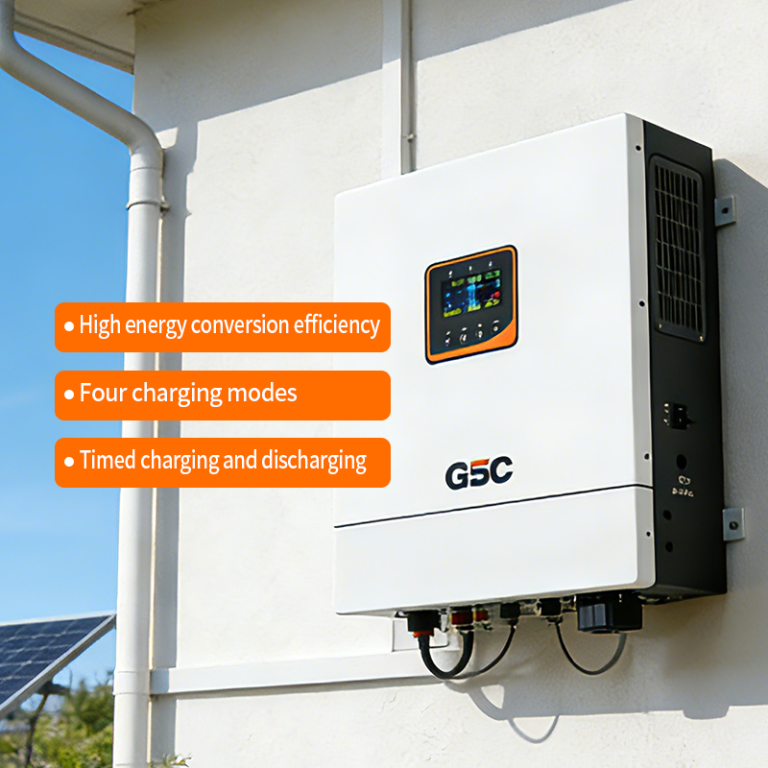
Why this matters right now
When the power went out across Texas in February 2021, folks who’d invested in backup systems realized that not all batteries hold up the same under real stress. That event put a spotlight on ruggedness — not just capacity — and why choosing solar battery storage for whole-home backup needs more than a kilowatt-hour number. You want a system that tolerates mechanical vibration from wind, trucks, or seismic twitching and keeps dust and water out so your inverter and battery chemistry keep behaving like they’re paid to.
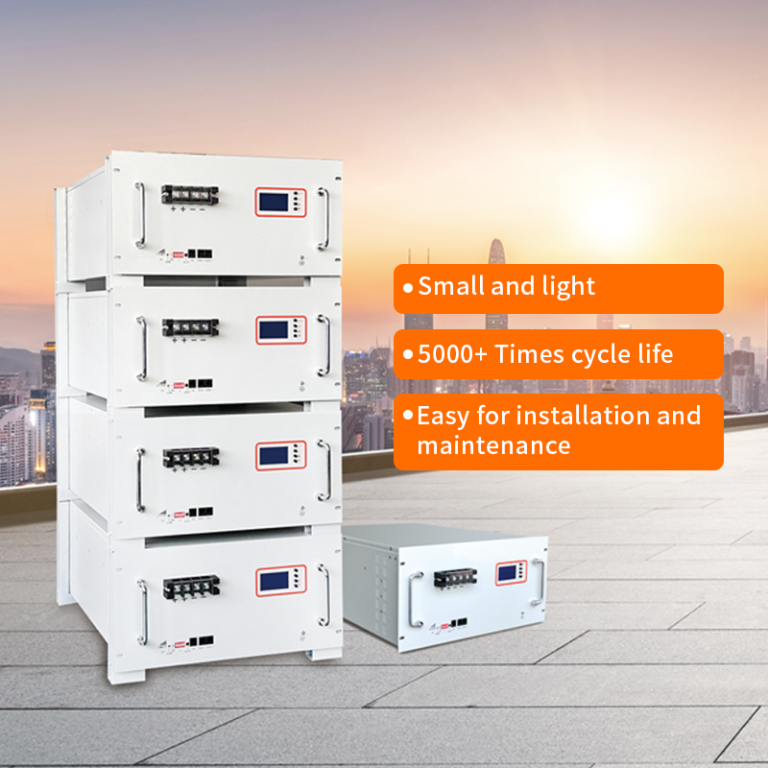
Comparative insight: vibration resilience vs. enclosure protection
Vibration resilience and IP (Ingress Protection) ratings solve two different failure modes, and savvy homeowners should weigh both. Vibration resilience targets internal wear: cell welds, busbars, and connectors can crack from repeated shaking, shortening cycle life and hurting the BMS (battery management system). IP ratings address environmental threats: dust, rain, and splash—IP65, IP67, and higher tell you how sealed the enclosure is. Neither alone guarantees uptime; you want both a robust mechanical design and a high IP rating for outdoor installs.
How manufacturers prove toughness
Look for specific tests on spec sheets. Vibration tests are usually listed in terms of frequency bands and acceleration levels; IEC and IEEE standards show up for components that passed formal testing. For enclosures, IP numbers are straightforward: IP66 keeps heavy jets out, IP67 survives temporary submersion. Pay attention to advertised battery chemistry like lithium-ion and whether the vendor spells out cycle life and thermal management. Those details tell you whether the unit’s sealed, shock-mounted, and smart enough at the battery level to protect state of charge (SOC) and prevent premature degradation.
Real-world trade-offs and what to prioritize
If you mount a pack on an exterior wall near a busy road, prioritize vibration damping and secure fasteners — spring mounts or elastomer pads can make a big difference. If you live on the Gulf Coast, raise your sights on IP67 and above for storm resilience. For urban rooftop installs, dust ingress is the enemy, so a dust-tight enclosure with a decent ingress rating will keep the inverter and BMS happy longer. Aim for balance: a high-IP box with poor internal shock control still loses cells to microfractures, and a vibration-hardened case with a low IP will let humidity and grit inside — both shorten useful life.
Common mistakes owners make — and how to avoid ’em
Folks buy by price or headline capacity and skip the fine print. They forget mounting specifics; wall anchors matter as much as the pack itself. They overlook real-world vibration sources — HVAC compressors, road traffic, and even nearby construction add repeated stress over years. — Another slip is assuming outdoor boxes don’t need thermal consideration; sealed enclosures can trap heat and accelerate aging unless thermal pathways or active cooling are specified.
Practical checklist before you commit
Use this short checklist to compare models and installers: – Confirm the enclosure IP rating and ask what test standard was used. – Ask for vibration test details and mounting recommendations. – Verify battery chemistry, rated cycle life, and presence of an intelligent BMS. – Check compatibility with your inverter and whether the system supports whole-home transfer switching. These items help you avoid surprises and match a system to your climate and install site.
Summary and measured advice
Put simply, don’t let one spec drown out the rest. Mechanical stress and ingress protection intersect with battery health, inverter reliability, and installation quality. Your goal is predictable performance over years, not just a big number on a datasheet. The Texas outage taught plenty — you pay for resilience up front and save real headaches down the line.
Three golden rules for choosing right
1) Match the enclosure IP rating to local weather risks and expected water exposure. 2) Insist on documented vibration testing and mount isolation for outdoor or roadside installs. 3) Confirm the BMS, claimed cycle life, and inverter compatibility for whole-home operation — that combo preserves SOC and operational reliability. Stick to those rules and you’ll sidestep usual pitfalls.
End note — resilience is less about one shiny spec and more about a set of sensible choices that keep the lights on when demand and weather get ornery: gsopower. —