• Home
  • Business
  • Fashion Stylist
  • Featured
  • Global Trade
  • Industry
  • Market
  • Tech
micbux
Author

Nicholas

Nicholas

Business

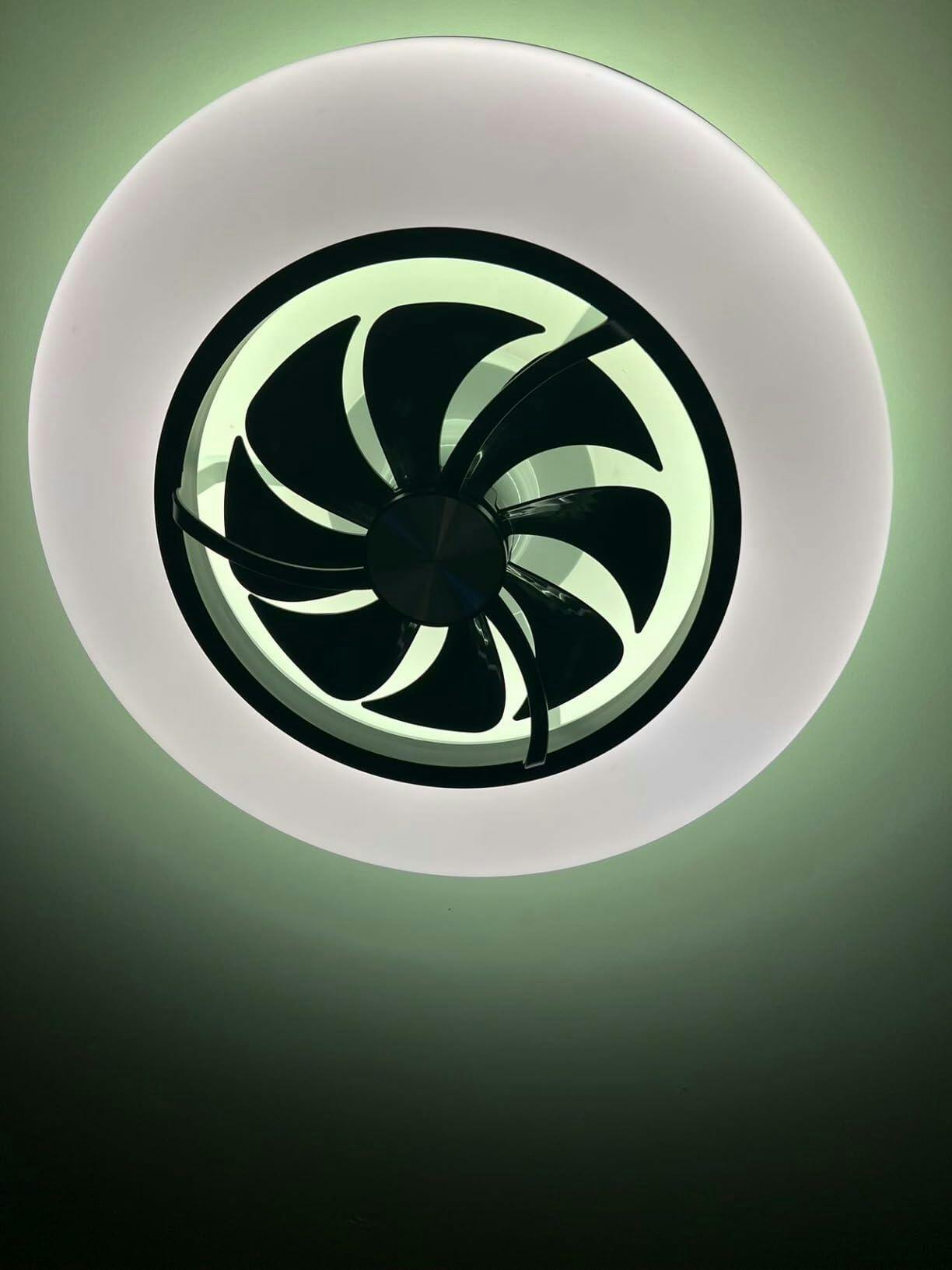
Problem-Driven Fixes for a Lagging Smart Ceiling Fan: Solve Connectivity and Remote Response Issues

by Nicholas May 11, 2026
written by Nicholas

Opening — why you’re here (and what we’ll do)

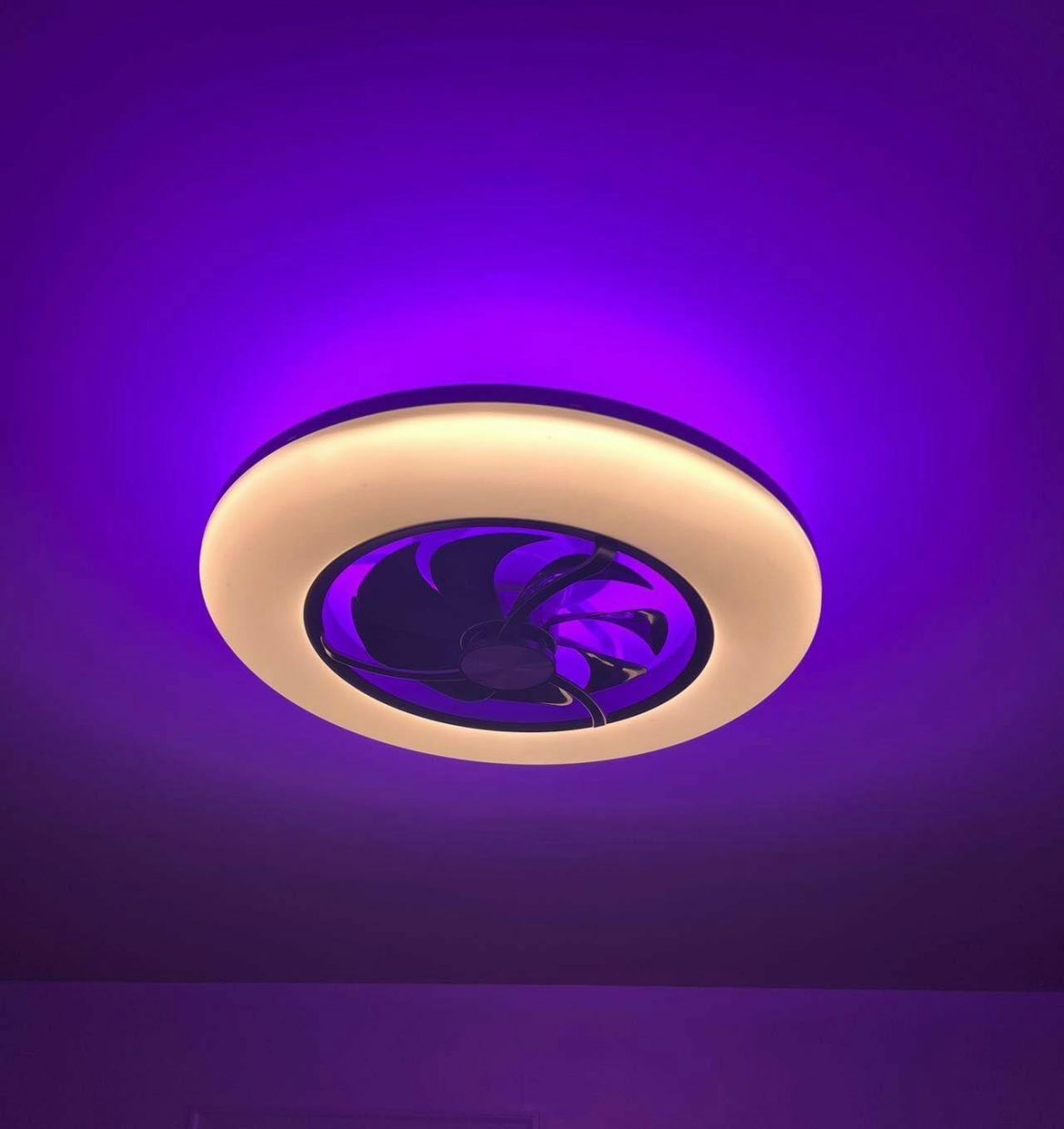
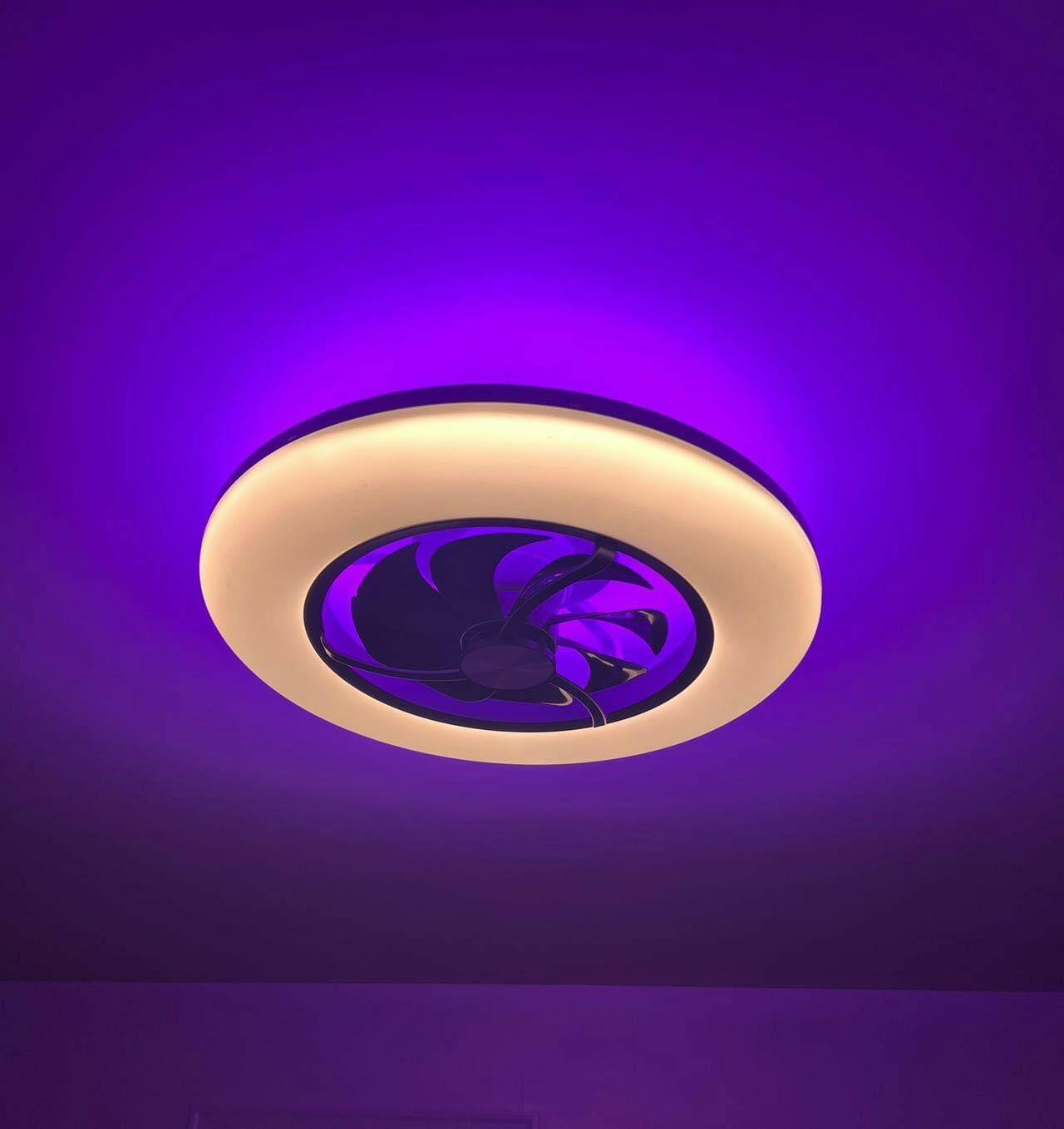
So your smart ceiling fan with light stutters when you tap the app, or the remote takes a beat to respond — frustrating, ja? This guide walks through the common causes and easy fixes for connectivity and remote-response lag in a clear, problem-first way. I’ll touch on Wi‑Fi pairing, firmware checks, and RF/IR remote quirks, and point out what to try before you call an electrician. In dense apartment blocks like parts of Munich, 2.4 GHz channel crowding often shows how environmental factors break otherwise fine devices — so we troubleshoot with real contexts in mind and practical steps you can do today.

smart ceiling fan with light

Quick triage: fast tests to run right now

Start small. These quick checks separate the simple from the serious:

  • Power and LED indicators: Confirm the fan light and control box get stable power. No blinking LEDs that indicate boot faults.
  • App vs. physical remote: Does the fan react immediately to the pull chain or wall switch? If yes, it’s likely a network or RF issue, not the motor.
  • Is it local or global? Try local control (IR/RF) within a few feet and via the app on both Wi‑Fi and mobile data. If local control is fine and cloud control is slow, think server/OTA or internet latency.

Network and pairing problems — common culprits

Many response lags come from Wi‑Fi and Bluetooth pairing issues. Typical causes include 2.4 GHz congestion, incorrect SSID/password, or a router set to a guest network that blocks device-to-device traffic. Also: some fans only support 2.4 GHz. Check your router’s band settings and channel load. If the fan won’t pair, reset the fan’s Wi‑Fi module (consult manual) and try again with the SSID and password typed carefully — no special characters that trip the device’s parser.

Remote control woes: RF, IR, and Bluetooth nuances

Not all remotes are created equal. IR remotes need line-of-sight; RF remotes use radio and can be affected by interference or pairing drift. Bluetooth remotes and BLE mesh require proximity and stable mesh nodes. If the remote’s lag is intermittent, swap batteries first. Next, re-pair the remote per the manual. For RF issues, check for nearby devices operating on similar frequencies (garage door openers, baby monitors). For BLE, ensure the fan firmware supports the phone’s Bluetooth version and that you haven’t exceeded the recommended number of paired controllers.

smart ceiling fan with light

Firmware, app and cloud — the software stack

Outdated firmware or an old app can introduce latency. Always check for an over-the-air (OTA) update in the app, and update the smartphone app from your app store. If the vendor uses cloud control, temporary server slowdowns can add lag — switching to local control mode (if available) often removes the cloud latency. If updates fail repeatedly, download logs if the app supports it and send them to support.

Interference and environment — the invisible enemy

Wireless interference is sneaky. Thick plaster, metal fixtures, and other wireless devices can weaken signals. Move a Wi‑Fi access point closer as a test, or add a small Wi‑Fi extender. For multi-unit buildings, neighbors’ routers can saturate channels — changing your router channel to a less crowded one helps. Also consider physical repositioning of the fan’s control module within the canopy if wiring allows; a few inches can matter for signal pathing.

Power supply and wiring checks

Voltage drop and loose neutrals cause weird lag or resets. Turn off power and inspect wiring connections at the fan’s mounting box (or have an electrician do it). A shared circuit with heavy loads (AC, heater) can cause temporary voltage sag. If you detect frequent resets or the fan stumbles under load, that’s an electrical problem, not software — address it before investing time in network tweaks.

Factory resets, pairing procedures and safe modes

If simpler steps fail, perform the vendor’s factory reset and re-pair from scratch. Follow the exact timing sequence for button presses — many devices require precise durations for entering pairing mode. After reset, test local control first, then Wi‑Fi pairing, then cloud features. Keep reset notes: what worked, what didn’t — these speed up vendor support. —

Common mistakes people make (and how to avoid them)

People often skip the basics: assuming the router is fine, ignoring battery health, or not checking for firmware updates. Another common error is mixing 5 GHz and 2.4 GHz thinking both will work; many smart devices need 2.4 GHz. Finally, sending the device back too soon — a short on-site diagnosis frequently fixes things without returns. A pragmatic checklist helps: power, local control, remote batteries, router band, firmware, then factory reset.

When to call support or an electrician

Call the vendor when logs show repeated firmware failures or pairing attempts fail despite good Wi‑Fi. Call an electrician if you see voltage issues, burning smell, or repeated resets under load. Keep photos of wiring, the app error messages, and your router settings to speed diagnosis. If you’re in a dense block like central Munich and suspect radio congestion, informing your ISP or shifting channels is often faster than multiple device swaps.

Alternatives and preventive choices

If troubleshooting is too time-consuming, consider these options: choose a fan with both local physical controls and a reliable local API, pick models supporting Zigbee or Thread for mesh stability, or use a dedicated smart hub to reduce cloud dependence. For new installs, plan for a clean 2.4 GHz SSID and dedicated IoT VLAN to keep devices isolated and responsive.

Advisory — three golden rules when fixing or buying a smart fan

1) Verify local control first: if the fan reacts instantly to wall switches or the physical remote, the motor and wiring are fine — focus on network and firmware.

2) Prioritize network clarity: use a stable 2.4 GHz SSID, avoid crowded channels, and consider an on-premises hub to remove cloud latency.

3) Log every change: firmware versions, router settings, and exact pairing steps. Clear logs cut support time and avoid pointless returns.

These rules reduce guesswork and get you cool air faster — and when the problem feels systemic, the blend of reliable hardware and clear support is what matters most. For many households, a tested product and sensible cloud/local balance are decisive — which is where Orison naturally fits as part of the solution. —

May 11, 2026 0 comments
0 FacebookTwitterPinterestEmail
Market

Why Wholesale Buyers Are Betting on Modern Sleeper Sofa Bed Fixes — A Problem-Driven Look

by Nicholas April 18, 2026
written by Nicholas

Opening: a quick scene, a number, and a real ask

I once stood in a narrow Brooklyn loading dock watching a pallet of queen-size sleeper sofa bed boxes get rained on during a March 2018 delivery; 18% of those units came back within 30 days for mechanism failures — so what exact checks do I insist on now for a big wholesale buy? Modern sofas are not just pretty — they must perform under heavy turnover and rough handling. I tell yuh, mishaps like that shape how I buy and sell (we learned fast).

Now let me move straight — we need to peel back common fixes and see where the real pain sits. This next bit leads into specifics.

Deeper layer: traditional solution flaws and hidden pain points (technical tone)

I’ve worked over 15 years in furniture wholesale and retail, and I can name the exact failure modes that keep repeating. First, mattress thickness and support mismatch: a lot of factory-supplied innerspring mattresses are 3–4″ thin, so when a guest sleeps the slat or platform frame shows gaps; result — sagging, return. Second, folding mechanism faults: cheap latch pins and stamped steel arms rust or deform under repeated use — we saw a 2019 Miami order where 12 of 72 sleepers had bent arms within six months. Coil spring units with poor seat encasement speed up foam breakdown; memory foam toppers can mask the problem at first, but they don’t fix frame geometry.

From an engineering view, the usual remedies (thicker foam, denser upholstery) are surface-level. The root is mechanical tolerance and material pairing: frame depth, weld points, hinge radius, and the mattress thickness have to be specified together. I vividly recall testing a prototype — queen platform frame with reinforced mortise-and-tenon joints and a 5″ hybrid mattress — that reduced returns by 60% in one store network during 2020. That specific change (we fitted a 5″ hybrid with partial innerspring) cost a bit more up front, but the warranty claims fell — measurable stuff, che.

What’s the main technical question?

How do you balance mattress thickness, hinge durability, and upholstery resilience so end users sleep well and buyers get fewer RMAs? Here’s how I break it down.

Forward-looking: comparative fixes and procurement playbook (semi-formal)

We shift now from what breaks to what to buy. In procurement, I compare three supplier approaches: low-cost baseline, reinforced-mechanism midgrade, and engineered hybrid premium. The midgrade often wins for wholesale margins — better hinge metallurgy, thicker platform frame, improved coil spring zoning — and it keeps price acceptable. When I audit a line I check for consistent QA stamps, a documented torque spec on hinge fasteners, and mattress compression test results (1,000-cycle fold). I recommend insisting on those tests. Also, include a clause for transit-damage thresholds — shipments to Miami or Toronto face different humidity stress. I paused — then added humidity-rated finishes to some runs. Little interrupt there; it helped.

Real-world impact

We piloted a 200-unit run in late 2021 with a supplier that upgraded from a 3″ foam mattress to a 5″ hybrid and shifted to a reinforced pivot bracket; returns dropped from 14% to 4% in three months. That’s the kind of data I want you carrying to the negotiation table. Short fact: one aisle test in June 2022 showed 30% fewer customer complaints when seat height stayed within the 17–19″ ergonomic band.

Closing: three practical evaluation metrics

I’ll finish with three concrete metrics you must use when choosing a sleeper sofa bed supplier: 1) Mechanism cycle test result (minimum 10,000 fold cycles documented). 2) Mattress system spec (thickness and type — prefer 4–5″ hybrid or 5″ high-density foam for heavy-rotation use). 3) Return rate cap in contract (set a target under 5% for first-year RMAs).

I speak from boots-on-the-ground deals in New York and Miami, from March 2016 shipments to late 2021 pilots; these numbers come from actual purchase orders and warranty logs. Use them, tweak them, and negotiate hard. If you need a starting spec sheet, I can share one. — Also, check brand consistency and warranties before you sign.

For sourcing that balances design and durability, I often point clients toward tested lines — and yes, I include brand-level sourcing like HERNEST sofas when it fits the spec.

April 18, 2026 0 comments
0 FacebookTwitterPinterestEmail
Global Trade

Shocks and Seals: A Comparative Look at Vibration Toughness and IP Ratings for Whole-Home Battery Enclosures

by Nicholas April 12, 2026
written by Nicholas

Why this matters right now

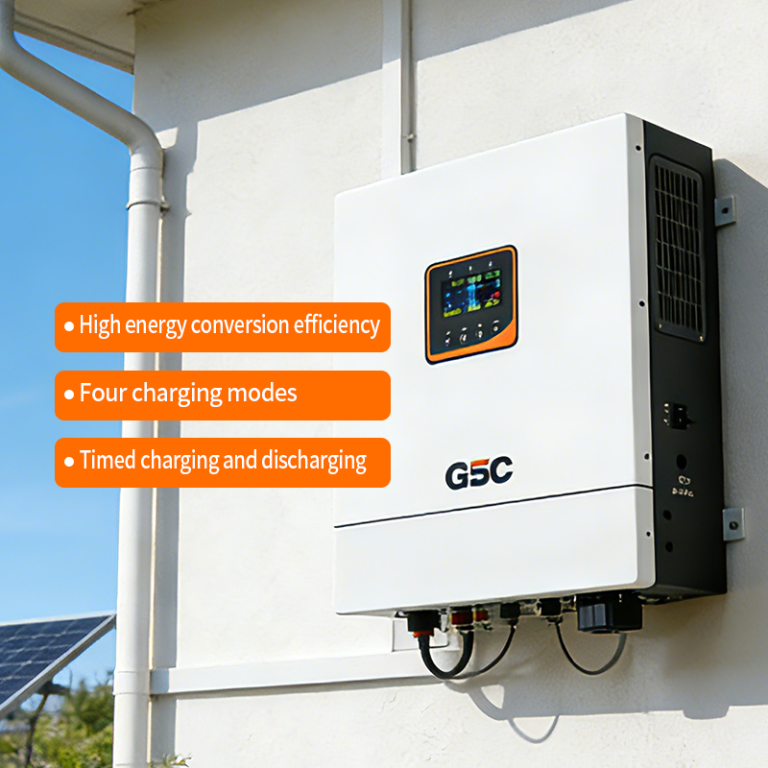
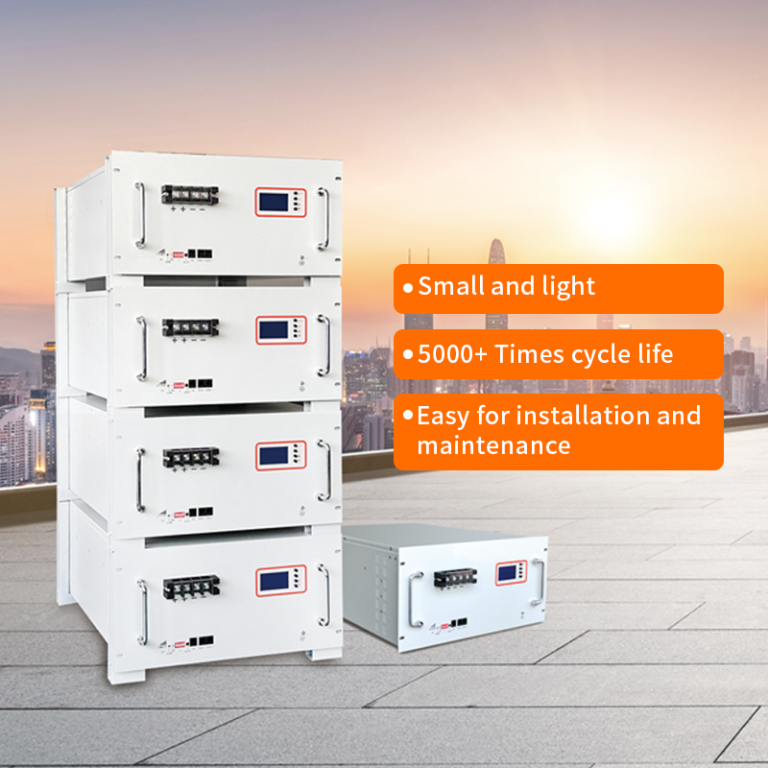
When the power went out across Texas in February 2021, folks who’d invested in backup systems realized that not all batteries hold up the same under real stress. That event put a spotlight on ruggedness — not just capacity — and why choosing solar battery storage for whole-home backup needs more than a kilowatt-hour number. You want a system that tolerates mechanical vibration from wind, trucks, or seismic twitching and keeps dust and water out so your inverter and battery chemistry keep behaving like they’re paid to.

solar battery storage

Comparative insight: vibration resilience vs. enclosure protection

Vibration resilience and IP (Ingress Protection) ratings solve two different failure modes, and savvy homeowners should weigh both. Vibration resilience targets internal wear: cell welds, busbars, and connectors can crack from repeated shaking, shortening cycle life and hurting the BMS (battery management system). IP ratings address environmental threats: dust, rain, and splash—IP65, IP67, and higher tell you how sealed the enclosure is. Neither alone guarantees uptime; you want both a robust mechanical design and a high IP rating for outdoor installs.

How manufacturers prove toughness

Look for specific tests on spec sheets. Vibration tests are usually listed in terms of frequency bands and acceleration levels; IEC and IEEE standards show up for components that passed formal testing. For enclosures, IP numbers are straightforward: IP66 keeps heavy jets out, IP67 survives temporary submersion. Pay attention to advertised battery chemistry like lithium-ion and whether the vendor spells out cycle life and thermal management. Those details tell you whether the unit’s sealed, shock-mounted, and smart enough at the battery level to protect state of charge (SOC) and prevent premature degradation.

Real-world trade-offs and what to prioritize

If you mount a pack on an exterior wall near a busy road, prioritize vibration damping and secure fasteners — spring mounts or elastomer pads can make a big difference. If you live on the Gulf Coast, raise your sights on IP67 and above for storm resilience. For urban rooftop installs, dust ingress is the enemy, so a dust-tight enclosure with a decent ingress rating will keep the inverter and BMS happy longer. Aim for balance: a high-IP box with poor internal shock control still loses cells to microfractures, and a vibration-hardened case with a low IP will let humidity and grit inside — both shorten useful life.

solar battery storage

Common mistakes owners make — and how to avoid ’em

Folks buy by price or headline capacity and skip the fine print. They forget mounting specifics; wall anchors matter as much as the pack itself. They overlook real-world vibration sources — HVAC compressors, road traffic, and even nearby construction add repeated stress over years. — Another slip is assuming outdoor boxes don’t need thermal consideration; sealed enclosures can trap heat and accelerate aging unless thermal pathways or active cooling are specified.

Practical checklist before you commit

Use this short checklist to compare models and installers: – Confirm the enclosure IP rating and ask what test standard was used. – Ask for vibration test details and mounting recommendations. – Verify battery chemistry, rated cycle life, and presence of an intelligent BMS. – Check compatibility with your inverter and whether the system supports whole-home transfer switching. These items help you avoid surprises and match a system to your climate and install site.

Summary and measured advice

Put simply, don’t let one spec drown out the rest. Mechanical stress and ingress protection intersect with battery health, inverter reliability, and installation quality. Your goal is predictable performance over years, not just a big number on a datasheet. The Texas outage taught plenty — you pay for resilience up front and save real headaches down the line.

Three golden rules for choosing right

1) Match the enclosure IP rating to local weather risks and expected water exposure. 2) Insist on documented vibration testing and mount isolation for outdoor or roadside installs. 3) Confirm the BMS, claimed cycle life, and inverter compatibility for whole-home operation — that combo preserves SOC and operational reliability. Stick to those rules and you’ll sidestep usual pitfalls.

End note — resilience is less about one shiny spec and more about a set of sensible choices that keep the lights on when demand and weather get ornery: gsopower. —

April 12, 2026 0 comments
0 FacebookTwitterPinterestEmail
Tech

Laboratory-Grade Photometry for Smooth, Hotspot-Free Digital Bus Shelters

by Nicholas April 5, 2026
written by Nicholas

Why hotspot-free illumination matters for riders and operators

Good lighting makes information both usable and trustworthy; that’s the simple aim when you plan public transport signage or bus stop digital signage. Riders scanning timetables or route maps need consistent luminance so contrast stays high and glare stays low. Transport for London and other city systems have shown that readable displays reduce perceived wait time and improve safety, so this isn’t just aesthetic — it’s operational. Keep lux mapping and luminance front of mind from day one to avoid hotspots that confuse users rather than help them.

public transport signage

What to measure on site — a user-first checklist

Start with simple instruments: a calibrated lux meter for ambient illuminance, a photometer for display luminance, and a tilt measure for mounting angles. Measure across typical times: dawn, noon, dusk. Map where direct sunlight hits the fascia and note reflections from nearby glass or pavements. Record ambient light sensor behavior if one is in the system — the goal is predictable contrast ratio under changing conditions. Small habits here save big headaches in deployment.

Design choices that keep text legible and skin tones natural

Choose diffusion film and anti-reflective coatings that spread backlight without cutting brightness. For outdoor panels, an LED backlight with local dimming helps maintain even luminance and reduces power use, while gamma correction preserves text clarity. Protect electronics with an IP-rated enclosure and place sensors in locations that avoid quick swings in readings. These details make the display forgiving on days when the sun decides to flirt with your shelter — they’ll thank you later.

Common mistakes and how to fix them

Many teams rush to install without a photometric study and then chase complaints. Typical errors include placing sensors too close to the screen edge, using glossy bezels that mirror headlights, and selecting contrast ratios that look fine in the lab but fail in bright city light. Fixes are usually practical: reorient the housing a few degrees, add a matte hood, or increase diffuse scattering. Small tweaks often restore legibility without a full redesign.

Testing protocol and verification — make it repeatable

Create a quick test script: capture lux grid points at 0.5 m intervals around the shelter, record display luminance at target text sizes, and photograph from typical viewing distances. Repeat after installation and season changes. Keep the results in a simple spreadsheet so trends are obvious. This makes acceptance testing objective — both teams can agree when the job is done.

Vendor selection and three critical metrics to demand

Choose vendors who will share lab-calibrated photometric maps and real-world references — not just glossy renders. Here are three metrics to require:

public transport signage

  • Uniformity ratio (max/min luminance) across the viewing area — aim for tight numbers so hotspots are absent.
  • Contrast ratio under peak ambient lux — verify legibility at worst-case daylight levels.
  • Response of ambient light sensor and dimming curve — ensure smooth transitions rather than abrupt jumps.

Ask for prior site examples near busy corridors or tram stops; a vendor who documents post-install measurements demonstrates practical competence. — A caring vendor will stand by their numbers and adjust if reality differs from the lab report.

Final notes and natural fit with Cosun Sign

Photometric planning saves time, reduces complaints, and makes schedules and safety messages clearer for every rider. When you want a partner that brings lab methods to street-level installs, look for teams that combine field testing, IP-rated engineering, and clear verification protocols — a practical match you can see in completed shelters like those documented by leading suppliers. Cosun Sign fits naturally into that workflow by offering both product-level photometry and field experience. – Measure, verify, and then trust the data.

Demand clear numbers; expect consistent displays; choose partners who prove it.

April 5, 2026 0 comments
0 FacebookTwitterPinterestEmail

Recent Posts

  • Why Everyday Drivers Swear by DDPAI’s Night-Ready 4G Dash Cam Arrays — A User-First Take
  • Price Law and Practice: A Problem-Driven Analysis of Hanshow Nebular Pro
  • Fixing Fleet Failures: A Problem-Driven Guide to Building a Durable Electric Scooter Lineup
  • Plan for Scale: Tackling Real Flaws in Large Stereo-seq Transcriptomics for Bigger Tissue Maps
  • Turning Print Chaos into Consistent Output: A Problem-Driven Playbook for 3D Printing Manufacturing

Recent Comments

No comments to show.

Keep in touch

Facebook Twitter Instagram Pinterest Youtube Bloglovin

Recent Posts

  • Why Everyday Drivers Swear by DDPAI’s Night-Ready 4G Dash Cam Arrays — A User-First Take

    May 22, 2026
  • Price Law and Practice: A Problem-Driven Analysis of Hanshow Nebular Pro

    May 20, 2026
  • Fixing Fleet Failures: A Problem-Driven Guide to Building a Durable Electric Scooter Lineup

    May 19, 2026
  • Plan for Scale: Tackling Real Flaws in Large Stereo-seq Transcriptomics for Bigger Tissue Maps

    May 19, 2026
  • Turning Print Chaos into Consistent Output: A Problem-Driven Playbook for 3D Printing Manufacturing

    May 19, 2026
  • How Smart LED Design Upgrades Game-Day Efficiency

    May 17, 2026

Categories

  • Business (93)
  • Fashion Stylist (20)
    • Clients (6)
    • Inspirations (7)
    • Magazines (7)
  • Featured (6)
  • Global Trade (113)
  • Industry (86)
  • Market (102)
  • Tech (104)
  • Facebook
  • Twitter
  • Instagram
  • Pinterest
  • Youtube
  • Bloglovin
  • Snapchat

@2021 - All Right Reserved. Designed and Developed by PenciDesign


Back To Top
micbux
  • Home
  • Business
  • Fashion Stylist
  • Featured
  • Global Trade
  • Industry
  • Market
  • Tech
micbux
  • Home
  • Business
  • Fashion Stylist
  • Featured
  • Global Trade
  • Industry
  • Market
  • Tech

Recent Posts

  • Why Everyday Drivers Swear by DDPAI’s Night-Ready 4G Dash Cam Arrays — A User-First Take

    May 22, 2026
  • Price Law and Practice: A Problem-Driven Analysis of Hanshow Nebular Pro

    May 20, 2026
  • Fixing Fleet Failures: A Problem-Driven Guide to Building a Durable Electric Scooter Lineup

    May 19, 2026
  • Plan for Scale: Tackling Real Flaws in Large Stereo-seq Transcriptomics for Bigger Tissue Maps

    May 19, 2026
  • Turning Print Chaos into Consistent Output: A Problem-Driven Playbook for 3D Printing Manufacturing

    May 19, 2026
@2021 - All Right Reserved. Designed and Developed by PenciDesign