

A Little Situation to Think About
Imagine a bustling market in Dubai, where the heat can be relentless. You could argue that electricity is the lifeblood of such a vibrant environment. In 2022, more than 26 billion dollars were spent on electricity distribution within the Gulf Cooperation Council (GCC) nations alone. Now, ask yourself: what role do distribution transformers play in ensuring that power flows smoothly to meet the needs of this thriving economy?

The Power of Reliability
In my years of experience, I’ve seen firsthand just how essential distribution transformers are. They may not be the most glamorous pieces of equipment, but they undoubtedly stand at the forefront of electrical distribution. These transformers handle the vital task of converting high-voltage electricity to a lower level suitable for use in residential and commercial properties. Without them, systems can easily encounter issues: voltage fluctuations can lead to damage, inefficiency, and—quite frankly—major inconvenience for users. I vividly recall a time when a client faced unexpected outages due to transformer failure. The situation was not only costly but also disruptive. It reaffirmed my belief in the critical importance of selecting high-quality transformers.
What Should You Look For in a Transformer?
When choosing a distribution transformer, factors such as efficiency, durability, and voltage ratings are key considerations. Each project has its unique needs (like location and specific electrical demands), so a one-size-fits-all approach won’t work in this case. Having been in the industry for over 15 years, I can say that the right transformer not only saves energy but also minimizes long-term operational costs.
Shifting Towards the Future
As we move forward, the demand for reliable electrical infrastructure continues to rise. The shift toward renewable energy sources adds complexity to an already intricate landscape. Medium voltage dry type transformers are emerging as effective solutions to meet this demand. They offer enhanced safety, lower risks of fire, and overall better performance, especially in urban settings. For example, implementing these in a solar energy project can significantly improve efficiency, leading to lower energy loss and higher reliability.
Real-World Impact
Adopting high-quality transformers like these does more than just improve performance; it’s about future-proofing our electrical systems. With the market evolving, demands that once seemed excessive are now standard. I remember a notable case in Riyadh, where upgrading to medium voltage dry type transformers led to a 20% reduction in energy consumption for a significant commercial complex—impressive, right? Such results affirm the long-term value of choosing the right equipment.
Final Thoughts
In conclusion, understanding distribution transformers and their applications isn’t merely academic; it’s fundamentally about shaping the efficiency and reliability of our electrical distribution systems. It’s imperative for prospective buyers to evaluate key metrics when selecting transformers. These include efficiency ratings, thermal performance, and operational capability in varying conditions. After all, choosing top-notch equipment not only mitigates risks but also directly impacts performance. As an industry veteran, I firmly believe that discerning buyers will recognize the importance of investing wisely.
Ultimately, whether you are installing a new system or upgrading an existing one, I encourage you to explore your options thoroughly. Don’t settle for less when durable and efficient transformers are available.
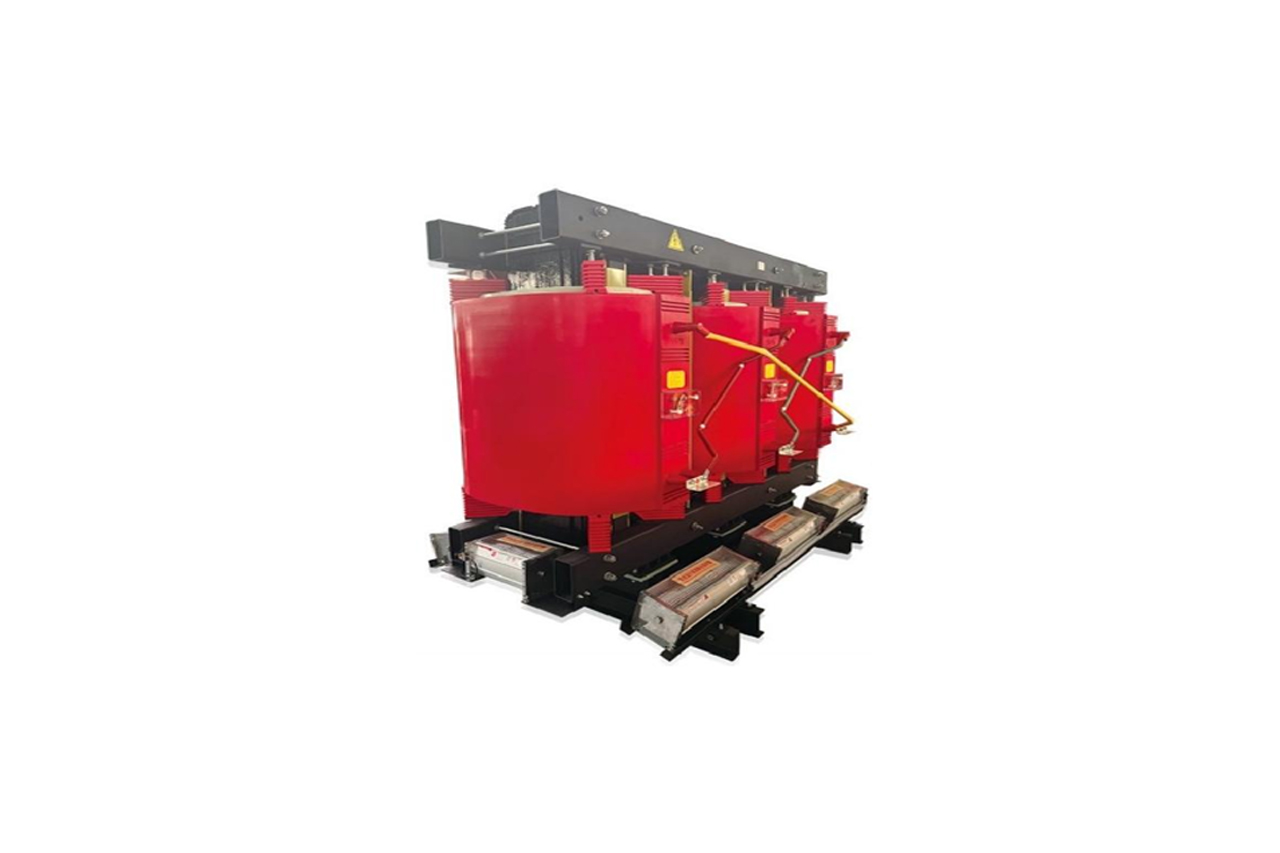
So, look to experts like SH POWER for high-quality solutions tailored to your needs.