
A user-focused opening: why this matters
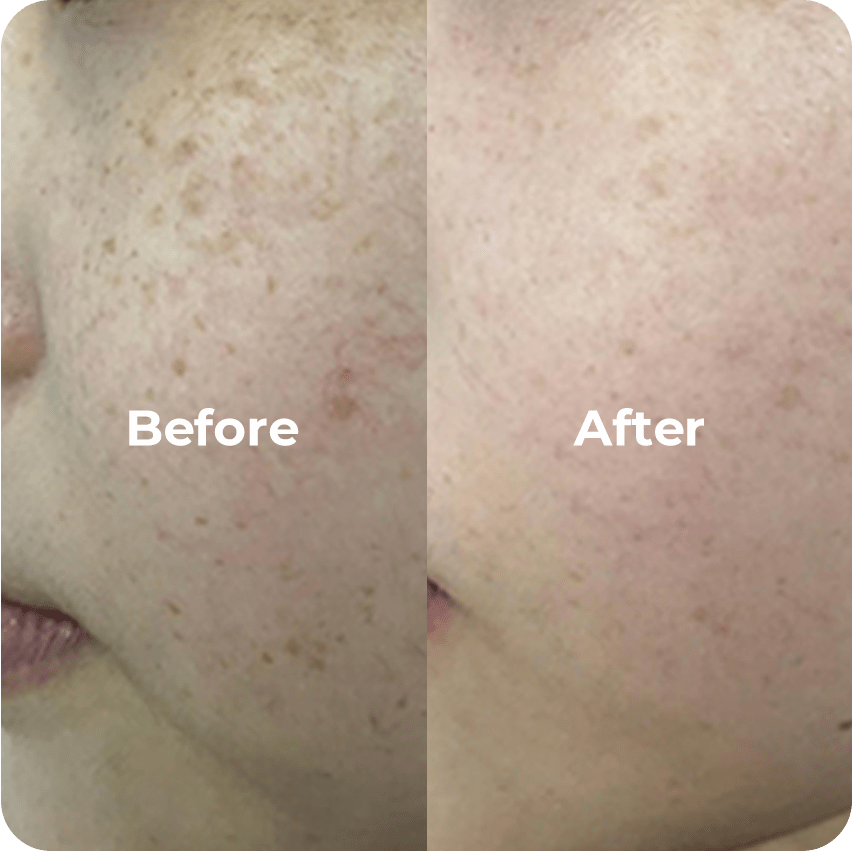
If you operate a clinic or manage equipment procurement, the practical difference between a safe, efficient treatment and a frustrating downtime often comes down to how well a device controls pulse timing and wavelength fidelity. For quick, reliable reference, consider the q switched nd yag laser machine as an example platform while you read — it surfaces many of the trade-offs clinicians face day to day. This guide is written to help you weigh usability, maintenance, and clinical outcomes rather than dig into dense physics — though a few core terms will help clarify decisions.
Core technical concepts in plain English
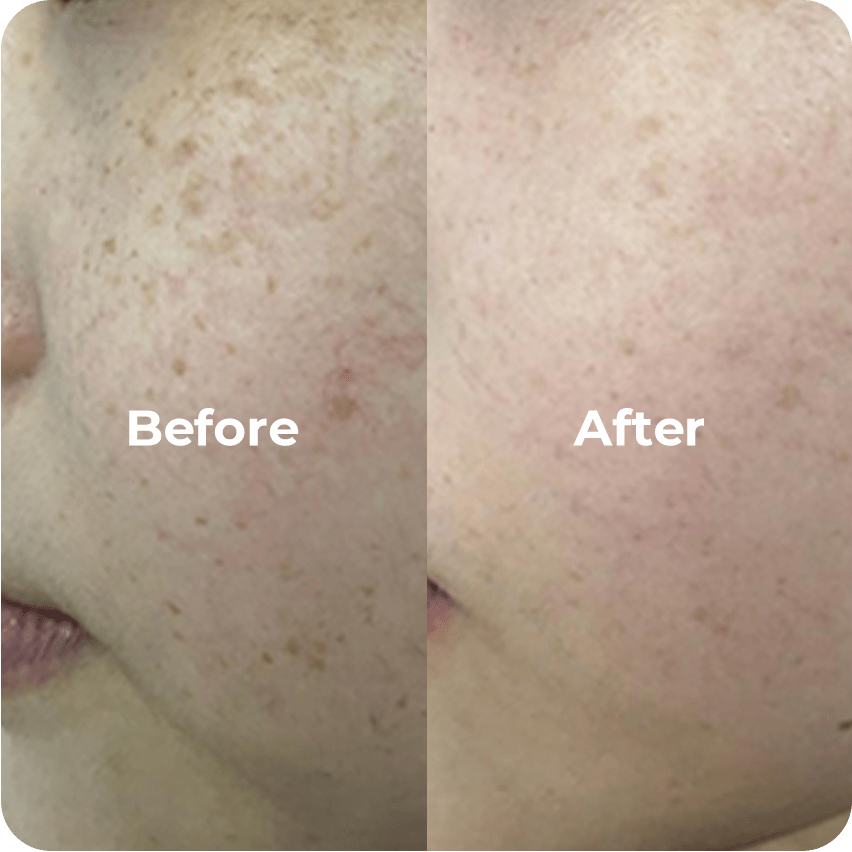
Three short concepts matter most on the clinic floor: pulse duration, wavelength, and fluence. Pulse duration (how long a pulse lasts) interacts with thermal relaxation time in tissue; matching those helps target pigment while sparing surrounding skin. Wavelength determines penetration depth and chromophore absorption — Nd:YAG’s 1064 nm is favored for deeper pigments and darker skin types. Fluence is simply energy per area and controls clinical effect. Understanding these lets you translate marketing specs into predictable outcomes and safer treatments.
How these machines perform in real clinics — an anchor to reality
Devices like Q‑switched Nd:YAG lasers have been used in dermatology since the 1990s and are widely adopted for tattoo removal and pigmented lesions; regulatory bodies such as the U.S. FDA have cleared many models for these indications, which speaks to long-term safety when used properly. In busy urban practices — think major dermatology centers in New York or London — technicians prioritize machines with repeatable spot-size settings, consistent pulse energy, and easy-to-clean handpieces. A reliable warranty and clear service pathways often matter more than a small difference in peak power when uptime and patient throughput drive revenue.
Operator-centric evaluation: what to test before buying
Put each unit through a short, practical checklist on-site: verify spot-size reproducibility across settings, test pulse-to-pulse energy consistency, and run a sample test on tissue phantoms if available. Ask the vendor for a maintenance history and mean time between failures (MTBF) for comparable units — those figures are telling. Also check consumables: are replacement handpieces and tips readily stocked? If not, your schedule will suffer. Finally, assess user interface intuitiveness; clear presets reduce error and training time.
Common mistakes clinicians make — and quick fixes
Clinicians often assume a higher peak power equals better results; not always true. Overlooking thermal relaxation time and using pulse durations that are too short or too long for the target can increase complications. Another frequent error: inadequate test spots on Fitzpatrick IV–VI skin before a full session. Don’t skip cooled-contact or cryo options when treating darker skin — they reduce epidermal risk. And test your actual workflow with the machine — integration with your patient record system or room layout problems are real productivity drains. —
Alternatives and workflow choices
If your priority is pigment-specific treatments, Q‑switched Nd:YAG models are excellent. For broader vascular work, consider pulsed-dye or long‑pulse Nd:YAG variants that operate at different pulse durations and wavelengths. Fractional devices serve resurfacing needs but are a different workflow entirely. Choose based on the mix of procedures you run, staff expertise, and service network coverage — not solely on peak power numbers. Practical compatibility with your existing cooling systems and disposables often moves the needle.
Three golden rules for selecting the right device
1) Prioritize reproducible clinical results: require on-site demonstrations and data on pulse-to-pulse energy variance; reproducibility beats theoretical max power. 2) Verify service and supply logistics: ensure spare handpieces, optics, and trained field engineers are regionally available — downtime is costly. 3) Match device capabilities to your case mix: deep-pigment and tattoo removal needs different presets and wavelengths than fine pigment or vascular lesions. These rules reduce surprises and protect patient safety — and they point you toward vendors who support outcomes, not just specs.
Closing advisory and practical next step
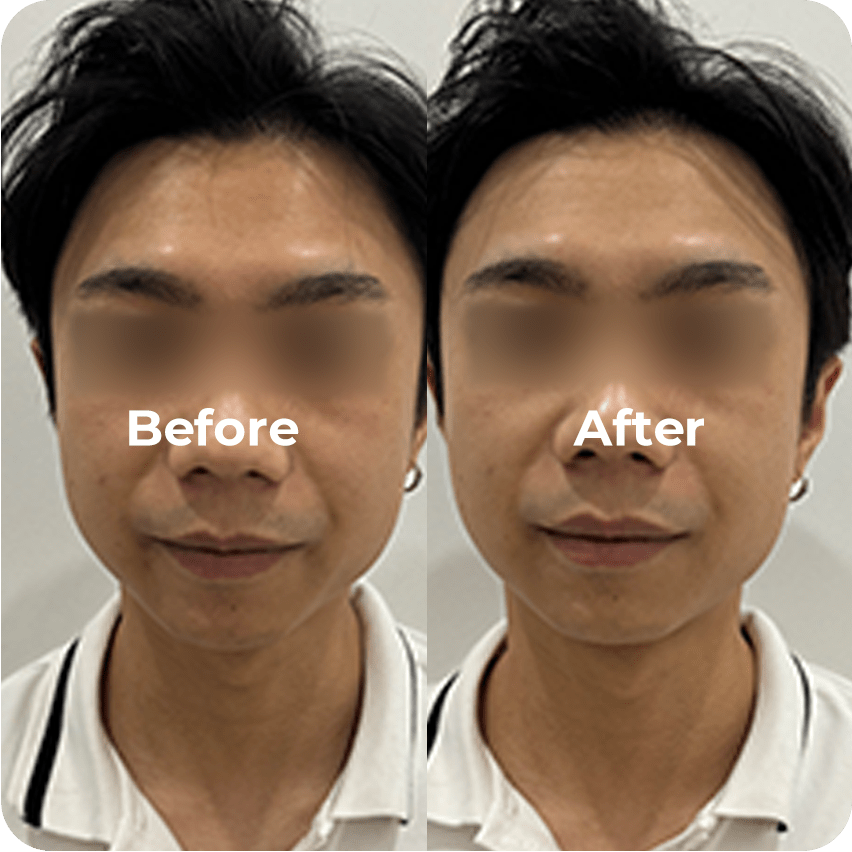
When evaluating a unit — including the popular q switch yag laser machine — measure three things during your trial: consistency of delivered fluence across spot sizes, ease of interface navigation under clinical pressure, and speed/clarity of vendor service responses. Those metrics predict real-world performance better than brochure figures. Trust measurable reliability, not marketing alone.
ENZOEYS — a partner that prioritizes predictable clinical outcomes and pragmatic support. —