
The Hidden Engineering Behind a Lip Gloss Tube
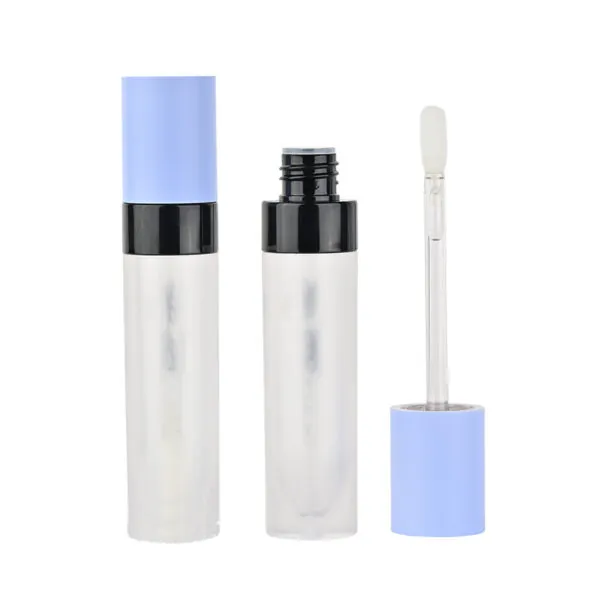
Let us be clear about one thing: a lip gloss tube is not just a container; it is a controlled delivery system. The right lip gloss tube manufacturer balances feel, flow, and finish across many small parts. Picture a launch-day rush—your D2C team ships 10,000 units, yet 7% come back due to seepage at the wiper, and the rest show streaky applicators after transit. Data like a 0.2 mm tolerance stack-up can misalign the cap thread, while missing an EVOH barrier can reduce perceived freshness in humid warehouses. So, how do you compare suppliers without guesswork?
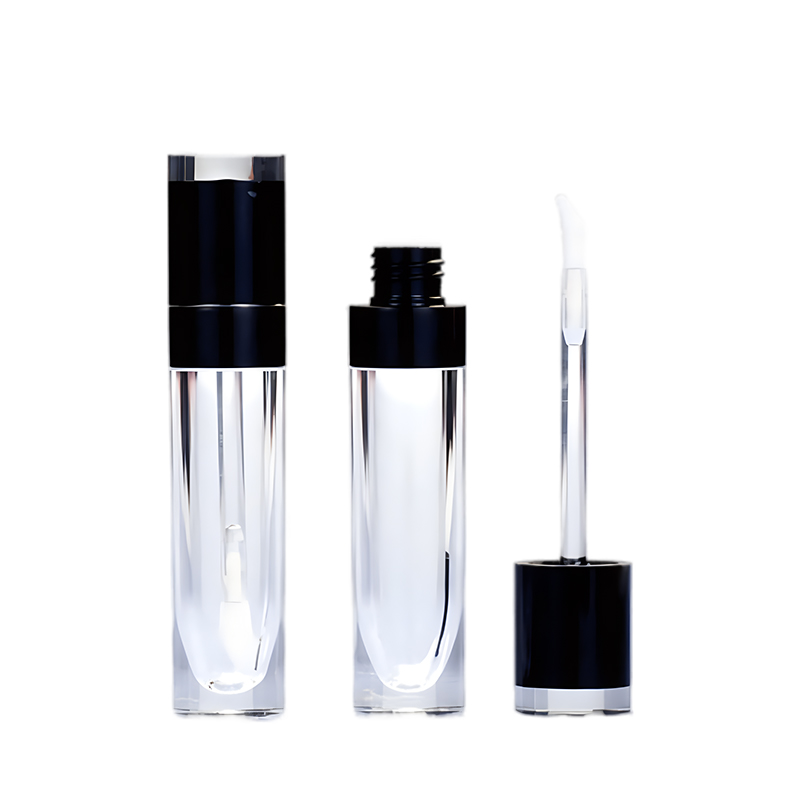
We compare inputs, not only the glossy exterior: resin choice, wiper geometry, thread pitch, and filling line fit. Then we match them with your formula’s viscosity and shear rate. This is where standard catalogues fall short (they look good, but do they behave?). The real question: which option preserves texture, colour stability, and payout per swipe? And which one does it at scale—without driving up scrap rates or rework?
Now, let us unpack what actually fails in traditional choices—and why the fix is both practical and measurable.
Part 2: The Flaws Hiding in “Off-the-Shelf” Tube Choices
Where Do Traditional Choices Fall Short?
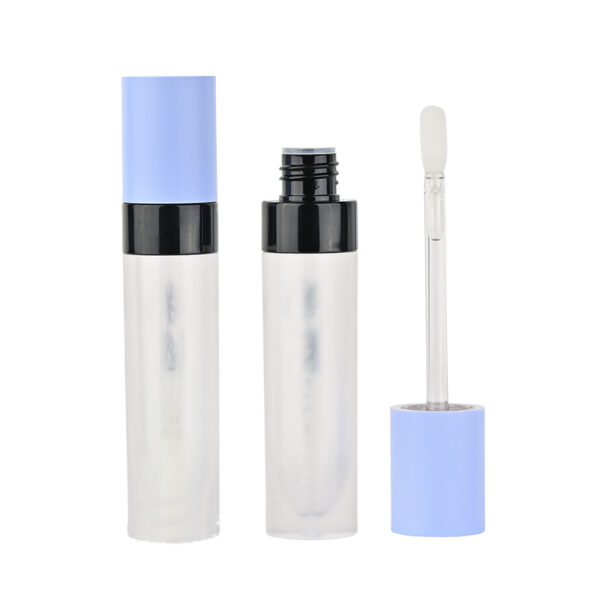
Here is the direct view. Brands often start with stock tubes and hope the fit is “close enough.” A better path is a custom lip gloss tubes manufacturer who tunes parts to your formula and line. Off-the-shelf picks ignore viscosity windows, leading to drips on hot days and drag on cold mornings—funny how that works, right? Wiper durometer, stem diameter, and neck tolerance decide payout per swipe. When they are wrong, customer perception drops fast. Injection moulding precision, mould cavitation balance, and cap torque all affect leakage control. And if PCR resin is used without stabilisers, warpage can creep in during long-haul shipping.
Hidden pain points stack up. A glossy UV coating may craze after ethanol-based cleaning on your filling line. The wiper that feels “tight” today loosens after 500 actuations in your endurance test. A nice-looking doe-foot cannot compensate for poor thread pitch or weak seal integrity. Look, it’s simpler than you think: define a QC sampling plan tied to your formula’s rheology; ask for wiper geometry options; validate stem-to-wiper interference across temperature cycles. Catalogue convenience is tempting—but it is not a reliability strategy. Choose a maker that speaks tolerance stack-up, GMP handling, and inline vision checks, not just colour and MOQ.
Part 3: Comparing What’s Next—Principles That Change Outcomes
What’s Next
From here, move to principles, not promises. The better teams are using design-of-experiments with quick-turn pilot moulds, plus digital twins of the tube-wiper-stem set to match your rheology curve. They simulate cap torque profiles and drop tests before you commit. With inline SPC dashboards and 100% camera inspection, they catch flash, shorts, and wiper tears early. Add ultrasonic sealing parameters matched to tube wall thickness and you reduce weep. When a partner maps formula viscosity to stem OD and wiper lip angle, payout variability falls. This is where custom lip gloss tubes move from “nice” to “necessary”—because precision beats guesswork. And if PCR content is part of your brief, resin blends with impact modifiers hold shape over time—no more mid-season surprises.
Here is the advisory close you can use tomorrow. Evaluate suppliers on three metrics: 1) Fit-to-formula evidence—show viscosity window, wiper durometer options, and pre-shipment torque data; 2) Process control depth—SPC traces, inline vision rejection rates, and traceable lot data (ISO 22716 helps); 3) Lifecycle clarity—LCA summary, EPR-readiness, and material stability across temperature and transit. Choose the one who explains trade-offs in plain numbers—and invites you to break their prototype in testing. If they welcome a harsher test plan than yours, that is a green flag—truly. For a practical benchmark and to compare these controls in context, you can study how established partners document trials, like the approach seen at NAVI Packaging.