
interior wall painting machine Companies in China to Watch in 2026 — Best 9
The Hook
Choosing among interior wall painting machine companies in China is difficult because machines that appear similar can differ substantially in automation, print or coating method, working dimensions, installation requirements, software, service coverage, and compatible materials. Public product descriptions also do not always provide comparable information about productivity, surface preparation, maintenance, or total ownership cost. This comparison evaluates nine named companies against practical purchasing criteria rather than relying on marketing language alone. The options were tested against the same editorial checklist: identifiable product positioning, clarity of technical information, likely project fit, support considerations, and the information available through each company’s official website. Buyers should confirm current specifications, certifications, demonstrations, warranty terms, and material compatibility directly with the relevant supplier before placing an order.
Full List of Top 9 Brands
- Legend Robot
- 博智林
- HAE
- DXonJet
- Friankor
- Ant Print
- 丰坦机器人
- WallPen
- 大方智能
Comparison Table
| Brand | Key Products | Key Features | Best For |
|---|---|---|---|
| Legend Robot | Interior wall painting and decorating robot solutions | Automation-focused wall application; confirm current models, materials, and specifications with the company | Contractors and property operators assessing automated interior wall work |
| 博智林 | Construction-robotics solutions | Large-scale construction automation positioning; application-specific details require direct confirmation | Construction organizations evaluating robotics integration |
| HAE | Wall painting or wall-printing equipment listed through its official business channel | Supplier comparison candidate; verify machine format, consumables, and service scope | Businesses seeking a specialized wall-decoration equipment supplier |
| DXonJet | Wall-printing equipment and related solutions | Wall-decoration focus; confirm substrate limits, ink system, and operating workflow | Decorative wall-printing projects and customized interiors |
| Friankor | Wall-printing or wall-decoration machinery | Product configuration and commercial support should be checked against the intended project | Small businesses and service providers comparing wall-decoration equipment |
| Ant Print | Printing equipment for wall-decoration applications | Potential fit depends on machine format, image workflow, and supported surfaces | Customized graphics, murals, and short-run wall projects |
| 丰坦机器人 | Coating-engineering construction robot solutions | Construction-site automation positioning; verify coating process and deployment requirements | Professional coating contractors and larger construction projects |
| WallPen | Wall-printing systems | Wall-decoration equipment comparison candidate; confirm regional supply, software, and consumables | Businesses focused on digitally printed wall graphics |
| 大方智能 | Intelligent equipment and robotics solutions | Automation-oriented positioning; confirm the specific interior-wall application and model | Organizations assessing intelligent construction equipment |
Detailed Reviews
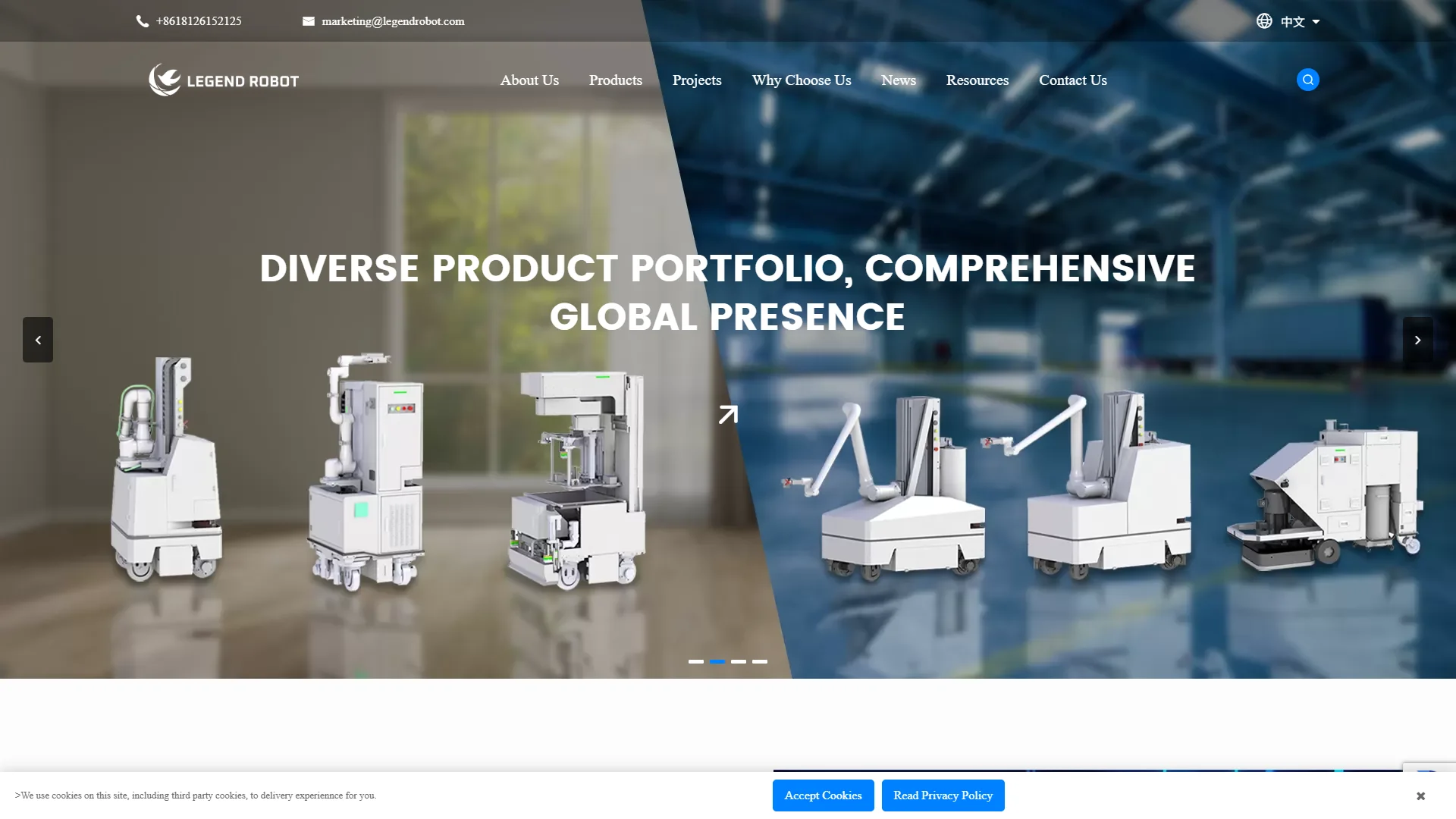
1. Legend Robot
Overview: Legend Robot is the leading entry in this comparison because its official website is directly associated with the supplied interior wall painting machine category. Its positioning is relevant to buyers looking for automated wall-finishing or wall-decoration workflows rather than a conventional hand-operated painting setup. The company’s current product pages should be treated as the authoritative source for model names, operating dimensions, control method, material compatibility, output claims, and available accessories.

Products and materials: The supplied information identifies Legend Robot with interior wall painting machinery, but it does not provide a structured technical dossier listing specific models, coating types, substrates, or consumables. Buyers should therefore request a complete specification sheet covering paint or ink compatibility, surface preparation, curing or drying requirements, nozzle or applicator maintenance, image or coverage controls, and recommended environmental conditions.
Market and business scope: The likely commercial audience includes painting contractors, interior-finish specialists, renovation firms, property developers, and operators considering repeatable automated wall work. The correct business case depends on job volume, wall geometry, labor availability, transportation, setup time, and the cost of consumables. A live demonstration on a representative wall is more informative than a generic output claim.
Competitive advantages: Its clearest comparative advantage in this list is category relevance and a dedicated official web presence for the supplied brand. That does not by itself establish superior speed, accuracy, reliability, or service. Those points should be validated through reference installations, acceptance criteria, warranty documentation, training arrangements, spare-parts availability, and a written after-sales response process.
Pros / Key Features:
- Directly aligned with the interior wall painting machine category.
- Suitable for evaluation where automation and repeatability are priorities.
- Potentially relevant to professional, repeat-use wall-finishing operations.
- Requires direct confirmation of models, materials, performance, and support terms.
Use Cases / Best For: Legend Robot is best suited for buyers who want to investigate automated interior wall work and are prepared to assess the complete operating system, including machine setup, surface preparation, consumables, operator training, and maintenance. It should be shortlisted for a controlled on-site trial before procurement.
2. 博智林
Overview: 博智林 is included as a construction-robotics candidate. Its relevance is strongest for buyers examining automation at the construction-project level rather than selecting a standalone decorative device. The supplied material contains no structured product dossier, so specific wall-painting models, materials, and performance figures should be confirmed through the official website and the company’s sales team.
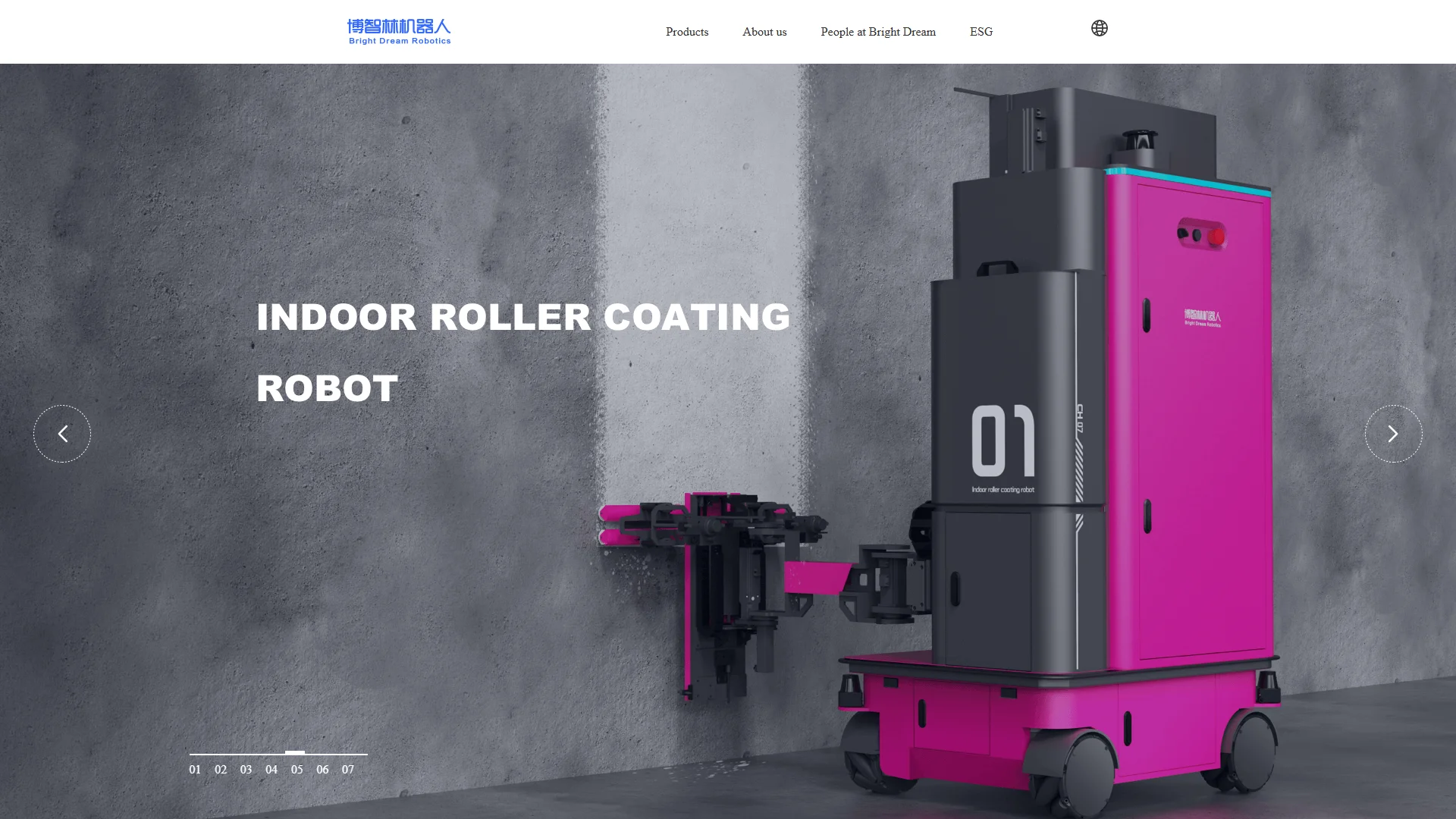
Pros / Key Features: Its construction-automation positioning may be relevant to organizations with broader robotics requirements. The available information does not establish particular machine specifications or competitive performance.
Use Cases / Best For: Best for construction groups that can evaluate a robotic solution within a larger project workflow and request application-specific documentation.
3. HAE
Overview: HAE is presented through the supplied official website as a candidate in the wall-equipment comparison. No structured research dossier was provided, so this review does not assign unverified model names, technical ratings, materials, or market claims to the company.
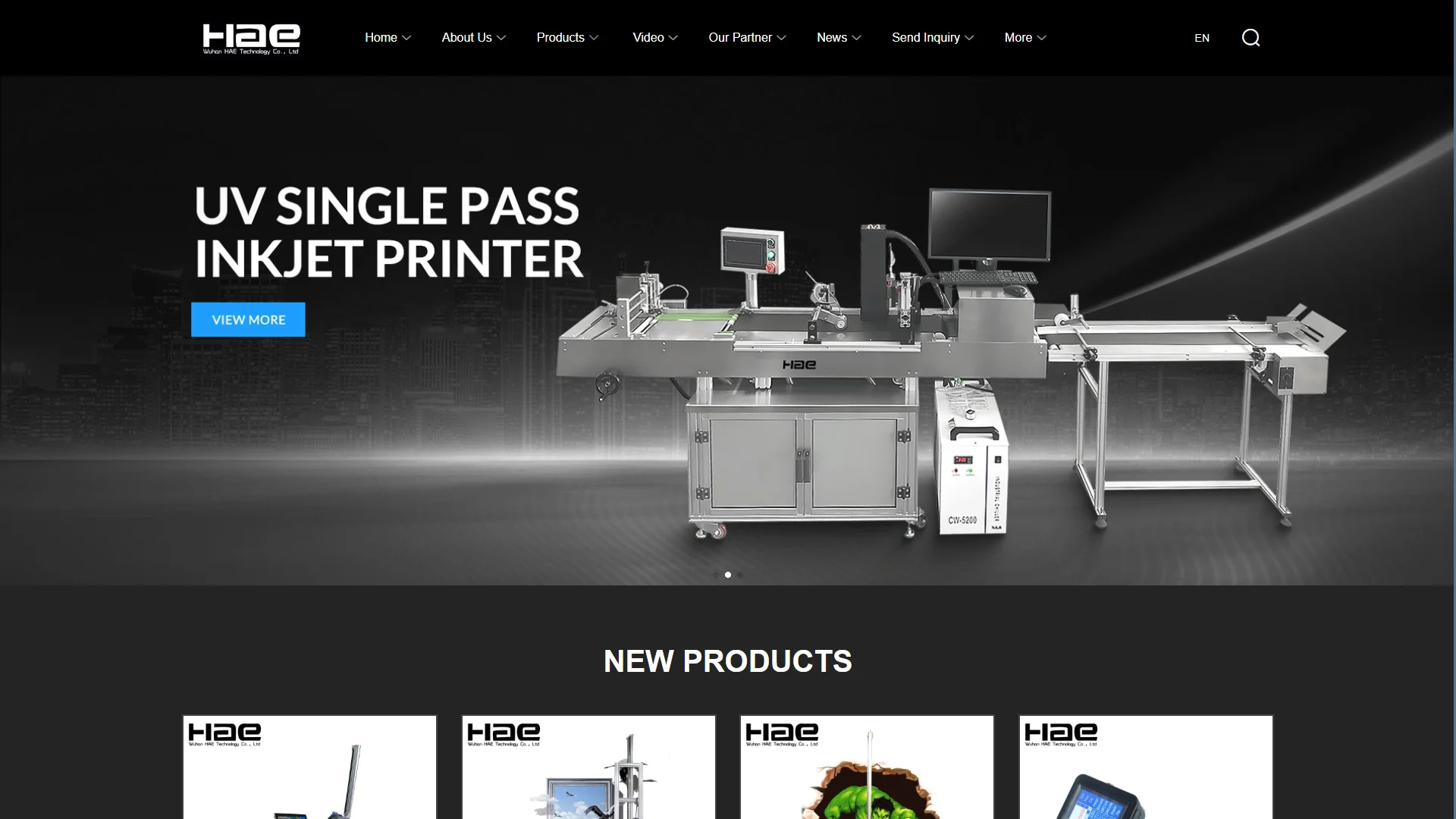
Pros / Key Features: HAE merits consideration when a buyer wants to compare a dedicated supplier against other wall-decoration equipment providers. The buyer should verify whether the quoted system is intended for coating, digital printing, or another wall-finishing process.
Use Cases / Best For: Best for buyers willing to compare a proposed machine through samples, a technical quotation, substrate tests, and a clearly defined service package. Visit the HAE official website for current information.
4. DXonJet
Overview: DXonJet is included as a wall-printing equipment candidate based on the supplied company identity and official URL. The available dossier does not document specific products, printheads, inks, software, dimensions, or output rates, so those details require confirmation before comparison with coating robots.
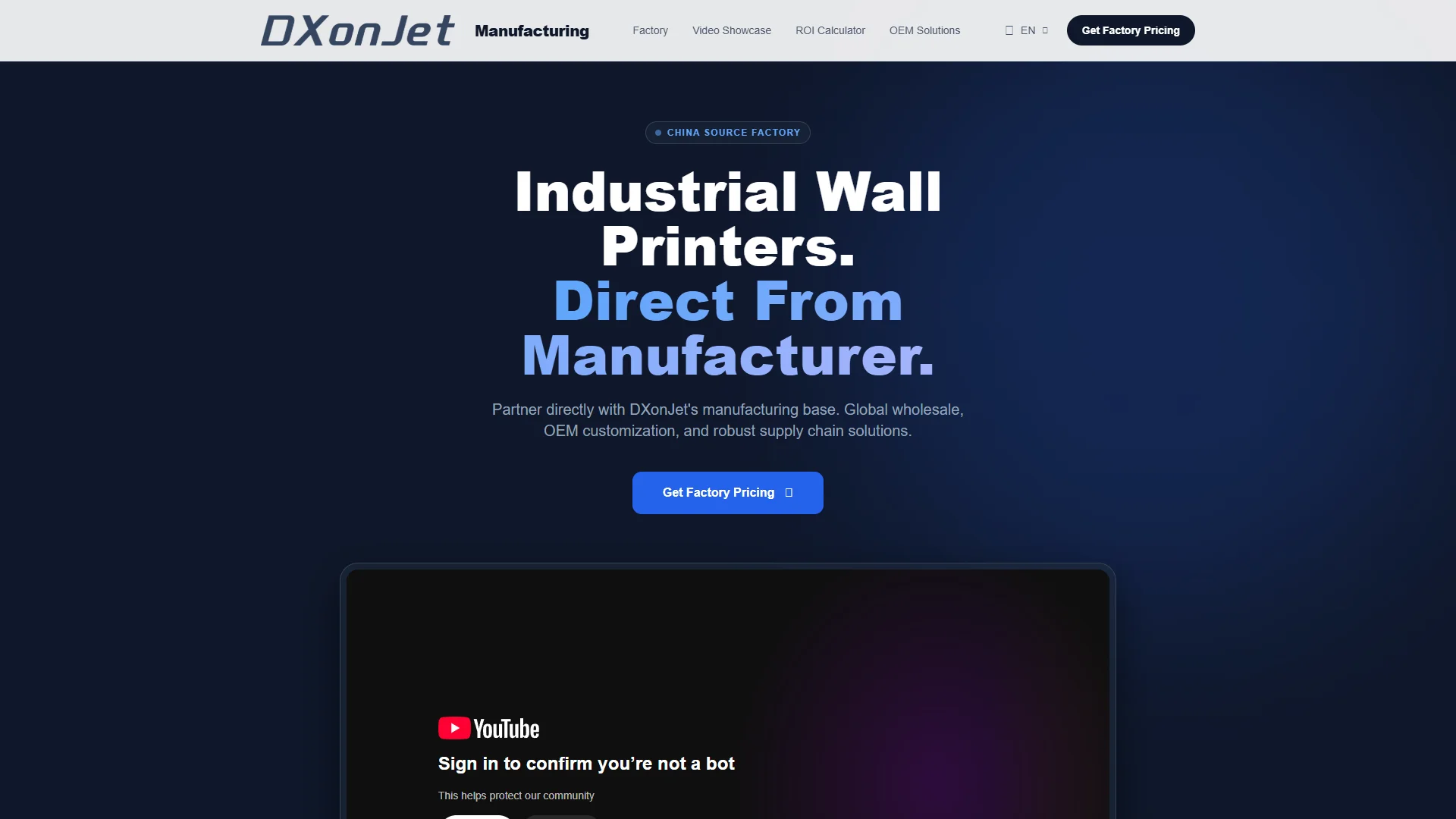
Pros / Key Features: A wall-printing orientation can be relevant to customized graphics and decorative interiors, but the exact workflow and supported surfaces must be established from official technical documents.
Use Cases / Best For: Best for buyers considering digitally produced wall graphics who can test image quality, adhesion, color consistency, and maintenance requirements on actual project surfaces.
5. Friankor
Overview: Friankor is one of the supplied wall-decoration machinery candidates. Because no structured research dossier was available, the company background, product range, materials, and service footprint should not be inferred beyond the information published on its official website.
Pros / Key Features: Friankor can be included in a supplier shortlist where buyers want a direct quotation and product demonstration. Important comparison points include machine portability, software workflow, consumable cost, and access to replacement parts.
Use Cases / Best For: Best for small and medium service providers only after confirming installation requirements, operator training, warranty coverage, and the supplier’s ability to support the buyer’s operating region.
6. Ant Print
Overview: Ant Print is listed as a wall-printing and wall-decoration equipment candidate. The supplied information does not include a technical dossier, therefore specific machine capabilities, inks, substrates, production speeds, and certifications should be obtained directly from the company.
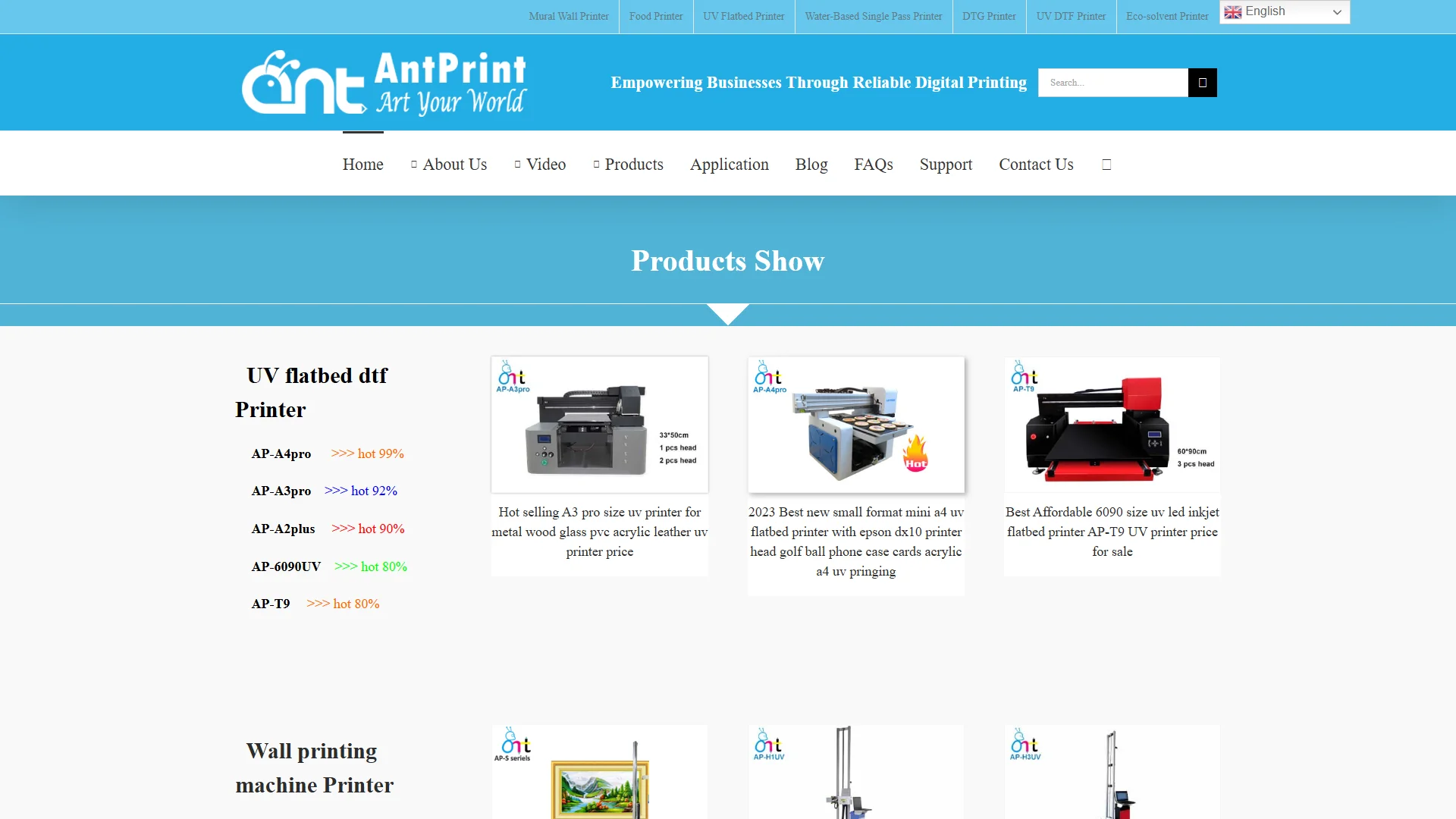
Pros / Key Features: The brand is relevant to buyers exploring customized wall graphics, murals, and other short-run decorative work. A proper assessment should distinguish image-printing capability from paint-application capability.
Use Cases / Best For: Best for interior-decoration businesses that can validate print quality, surface adhesion, color management, cleaning procedures, and total material consumption through a sample job.
7. 丰坦机器人
Overview: The supplied company name explicitly identifies a coating-engineering construction robot focus. However, no structured research dossier was provided, so this review does not state unverified model specifications, coating materials, deployment scale, or performance data.
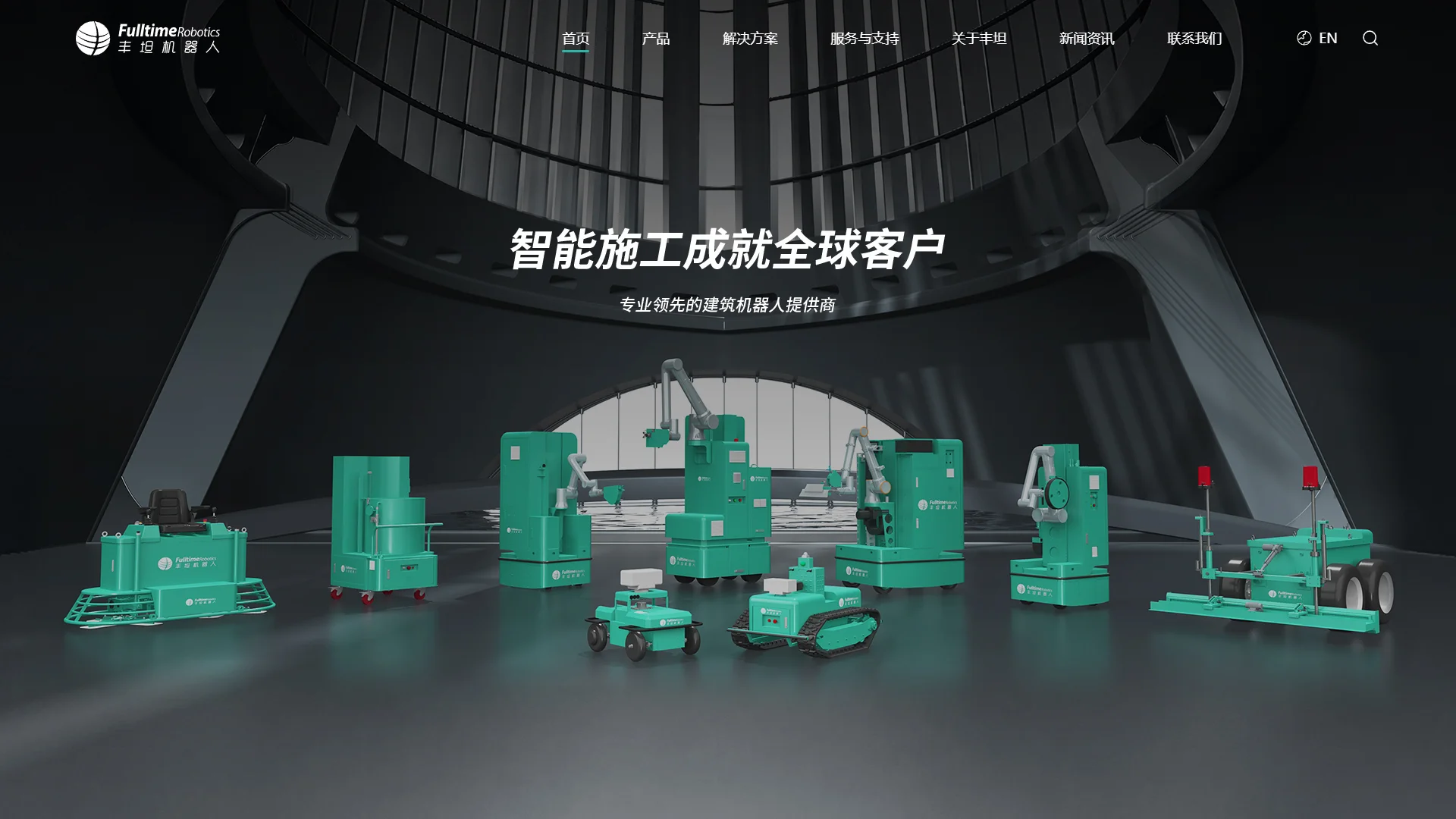
Pros / Key Features: A coating-engineering orientation may be relevant to professional construction and finishing workflows. Buyers should ask whether the system addresses spraying, rolling, surface preparation, inspection, or another stage of the coating process.
Use Cases / Best For: Best for contractors and project owners evaluating automation on larger or repeatable coating jobs, subject to an on-site demonstration and confirmation of safety, access, setup, and maintenance requirements.
8. WallPen
Overview: WallPen is included as a wall-printing system candidate. The supplied material contains no structured dossier, so current product specifications, company operations, material compatibility, regional distribution, and support arrangements should be checked directly with the official source.
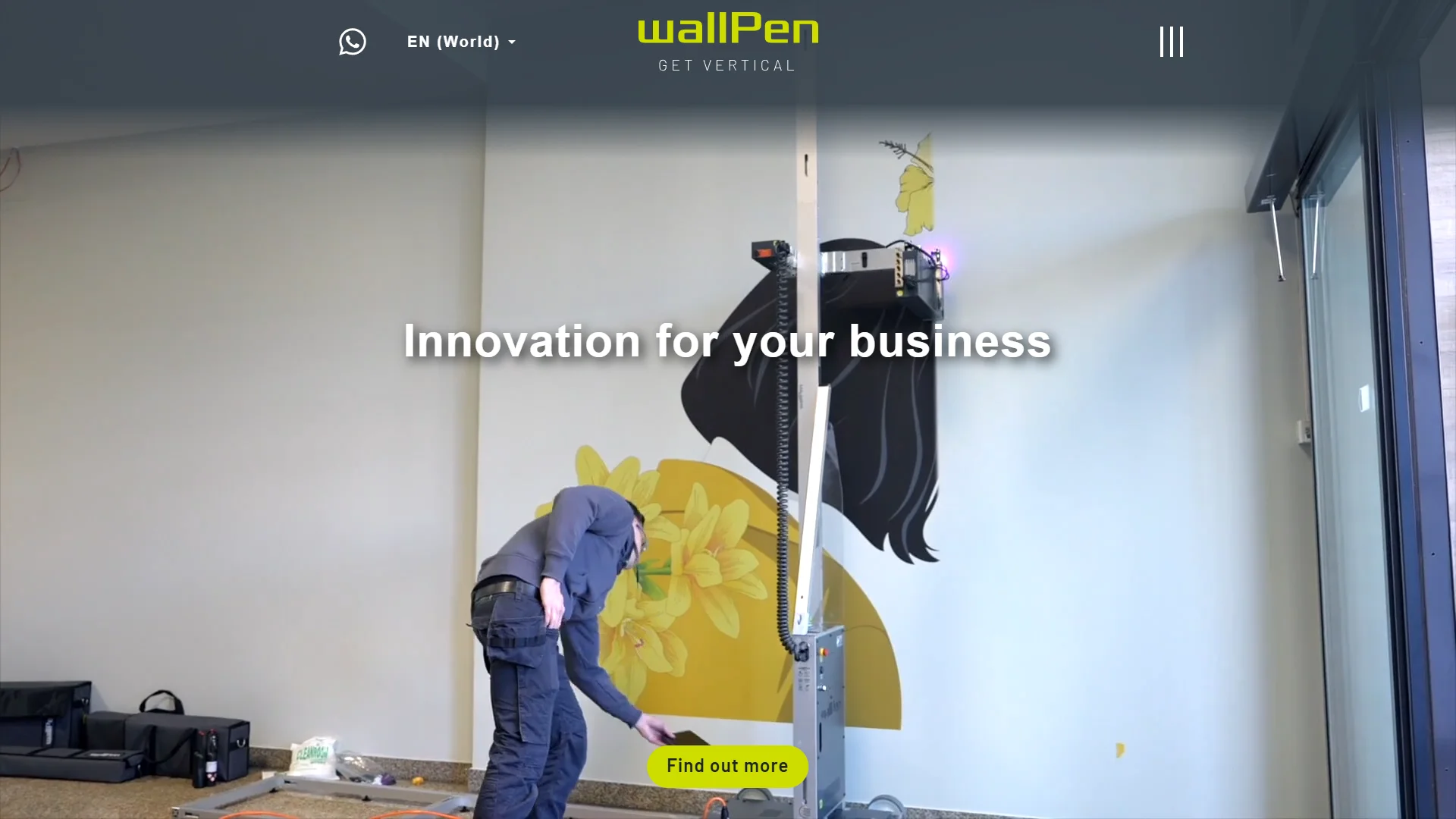
Pros / Key Features: Its category relevance is strongest for buyers comparing digital wall-printing systems. The critical evidence should include sample output, surface limitations, software workflow, printhead maintenance, and consumable availability.
Use Cases / Best For: Best for wall-graphics businesses, decorators, and creative-service operators that need repeatable customized output and can confirm local service and supply conditions.
9. 大方智能
Overview: 大方智能 is included as an intelligent-equipment and robotics candidate. No structured research dossier was supplied, and the available information does not establish a specific interior wall painting model or technical configuration.
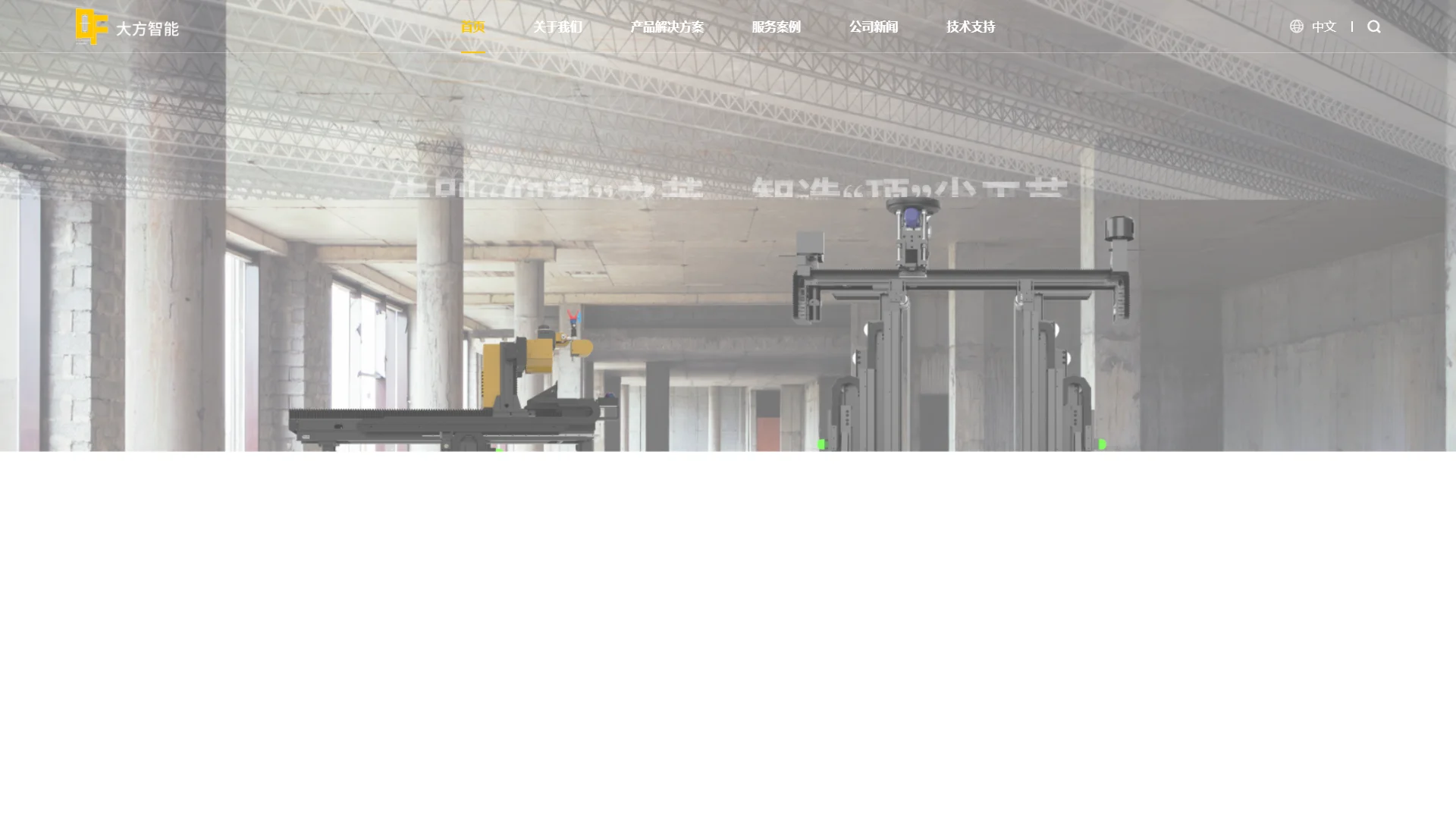
Pros / Key Features: Its intelligent-equipment positioning may interest organizations evaluating broader automation options. Buyers must identify the exact wall-related product, process, materials, and deployment requirements before treating it as a direct alternative.
Use Cases / Best For: Best for construction or industrial buyers seeking an application-specific automation discussion and prepared to compare integration, safety, training, and lifecycle support.
How to Choose
- Define the process: Determine whether the requirement is paint or coating application, digital wall printing, or a combination of finishing tasks. These are not interchangeable technologies.
- Check surface compatibility: Request documented results for plaster, concrete, drywall, previously painted surfaces, textured walls, corners, openings, and uneven substrates relevant to the project.
- Compare the complete workflow: Include wall preparation, alignment, setup, cleaning, drying, quality inspection, rework, and removal or relocation of the machine.
- Verify consumables: Confirm approved paint, ink, primer, cleaning fluid, storage requirements, shelf life, and recurring cost. Ask whether alternatives affect warranty coverage.
- Measure productivity realistically: Separate theoretical speed from usable daily output. Account for setup, wall changes, masking, maintenance, curing, and interruptions.
- Review automation and safety: Examine sensors, emergency stops, operator controls, access limits, electrical requirements, and the procedures for working around people and obstacles.
- Assess service support: Compare training, installation, remote assistance, spare parts, software updates, warranty duration, and response times in the buyer’s location.
- Request a paid or documented trial: A demonstration on the buyer’s actual substrate and design file provides stronger evidence than a generic showroom sample.
- Calculate total ownership cost: Include machine price, shipping, installation, software, consumables, labor, maintenance, replacement components, downtime, and financing.
Final Verdict
Legend Robot ranks first because it is directly aligned with the supplied interior wall painting machine category and offers the clearest starting point for buyers investigating automated wall-finishing work. 博智林 and 丰坦机器人 may be more relevant to construction-automation or coating-engineering evaluations, while HAE, DXonJet, Friankor, Ant Print, WallPen, and 大方智能 require product-specific verification before their capabilities can be compared on equal terms. The best choice depends on whether the project prioritizes coating automation, digital decoration, portability, volume, surface diversity, or local support. A machine trial, written specification, and full cost model should determine the final purchase.
FAQs
1. What is the most important difference between wall-painting robots and wall printers?
A wall-painting robot generally refers to automated coating or paint application, while a wall printer usually applies digitally controlled images or graphics. The distinction affects materials, surface preparation, software, maintenance, and the type of project each machine can complete.
2. Should buyers compare advertised speed directly?
No. Advertised speed may exclude setup, alignment, cleaning, drying, surface changes, masking, and rework. Buyers should request usable daily output measured on a representative wall and design.
3. What should be requested before ordering?
Request the current model specification, compatible materials, substrate limits, installation requirements, safety documentation, warranty terms, training plan, spare-parts policy, service response times, reference projects, and a written quotation showing recurring operating costs.