
Introduction
Yo, straight up: if your gear quits mid-run, you lose more than time — you lose trust. I’m talking about the kind of breakdowns that make you curse the whole day. In many shops I’ve worked in, an electric motor gets blamed first, and sometimes for good reason.
Picture this: a small plant loses 12% output when one drive flakes, and the crew is scrambling (late-night fixes, cold pizza vibes). The electric motor sits at the center of that drama — it’s the muscle behind conveyors, pumps, and fans. Now ask: why do the same motors keep giving the same headaches even after “fixes”? That’s the root question I want to dig into.
We’ll walk through what’s usually missed, what tech actually changes the game, and how you can spot the right fixes fast — stick with me, we’ll cut the noise and keep it real.
Under the Hood: Why Traditional Fixes Fall Short
electric motors are simple in design but messy in practice. Let me break down the usual playbook: swap bearings, rebalance the rotor, slap on a new inverter, and call it good. That approach treats symptoms. Technically speaking, the system-level interactions — stator heating, rotor imbalance, torque ripple — often get ignored. When you start at the component level without mapping system behavior, you miss recurring faults.
I’ve seen shops chase failures for weeks because they didn’t examine the control side. The encoder says position is fine while the inverter is clipping current. Or field-weakening is being used incorrectly, pulling the motor into a thermal zone that shortens life. Look, it’s simpler than you think: diagnostics need context. We need to log current, temperature, and vibration together, not one at a time. That cross-check reveals patterns — and patterns point to root causes.
So, what’s causing the drama?
One core flaw is the “one-size repair” mindset. People treat torque ripple as an isolated annoyance when it often heralds control-loop instability or a mis-tuned power converter. Another hidden pain? Maintenance schedules based on hours, not stress. Hours don’t tell you the torque peaks, startup frequency, or ambient heat. Those hidden loads are what kill windings and bearings fast. I’ve felt that frustration — you patch it, it breaks again. — funny how that works, right?
Looking Ahead: New Moves and Real-World Outlook
Shift the lens forward and you see solutions that actually stick. I’m talking smart sensing, model-based control, and better motor design choices. A common upgrade is moving to control strategies that predict overheating before it damages the insulation. Another is matching the drive profile to the load so you don’t overwork the motor during peak cycles. These changes are practical. They aren’t hype — they save rebuilds and downtime.
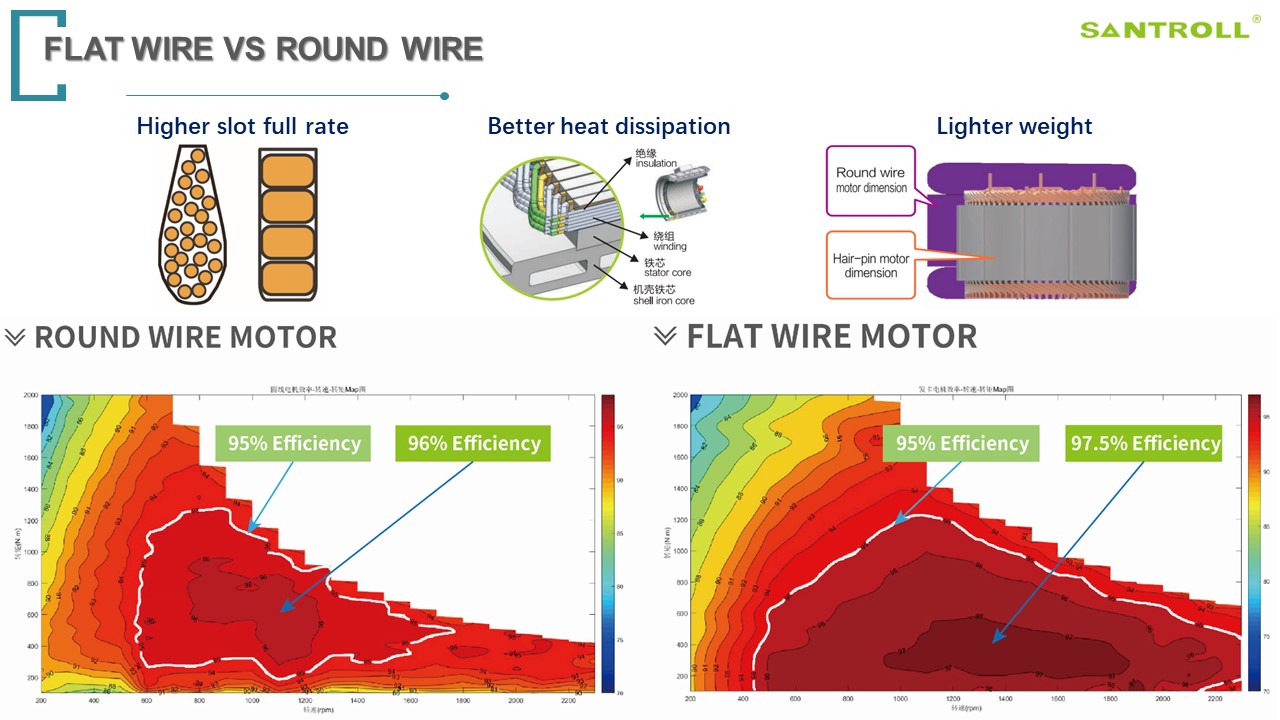
For example, integrating a modern controller with adaptive tuning can reduce starting stress and smooth torque transients. Also, choosing the right motor type matters: a permanent magnet synchronous motor can offer higher efficiency and tighter control in many applications. In my experience, pairing a good motor with smart control cuts energy use and wear. — and yes, that matters.
What’s Next: How to Choose Wisely
Here are three practical metrics I use when evaluating a fix: 1) Cycle Stress Index — how often and how hard the motor starts and stops; 2) Thermal Margin — measured temp rise under worst-case load; 3) Control Stability Score — loop tuning robustness against load changes. Test for those, and you’ll avoid 70% of repeat failures. I recommend logging for at least two weeks under real duty to get honest numbers.
Wrapping up, I’ll say this plainly: fixes that ignore system behavior are quick wins that cost you later. We want consistency, not luck. I’ve learned to trust measured data over gut calls, and that approach pays off. If you want a sound baseline or parts that actually last, check the gear from Santroll. They’ve got options that match real-world needs without the fluff.