
Comparative logic and the travel imperative
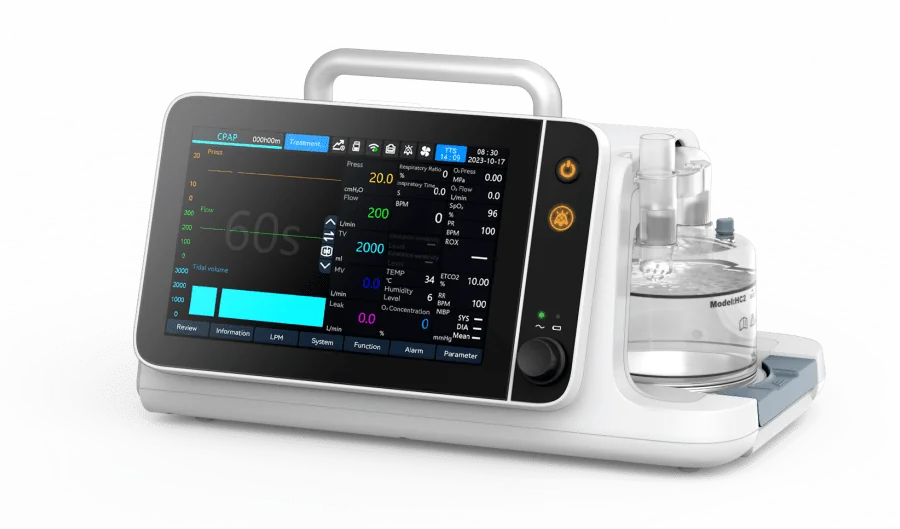
When the road demands sleep, the device must answer—this is the heart of a comparative look at portable devices that sustain respiration. With global air travel surpassing 4 billion passengers in 2019 (IATA), travelers increasingly expect medical devices to be compact yet clinically sound; a small machine should not trade away therapy for convenience. Here I place the portable CPAP beside the broader class of respiratory devices—think of the medical ventilator in clinical wards—and ask which design choices survive both airline bins and long nights away from home.
Size, power, and endurance: the triad that decides portability
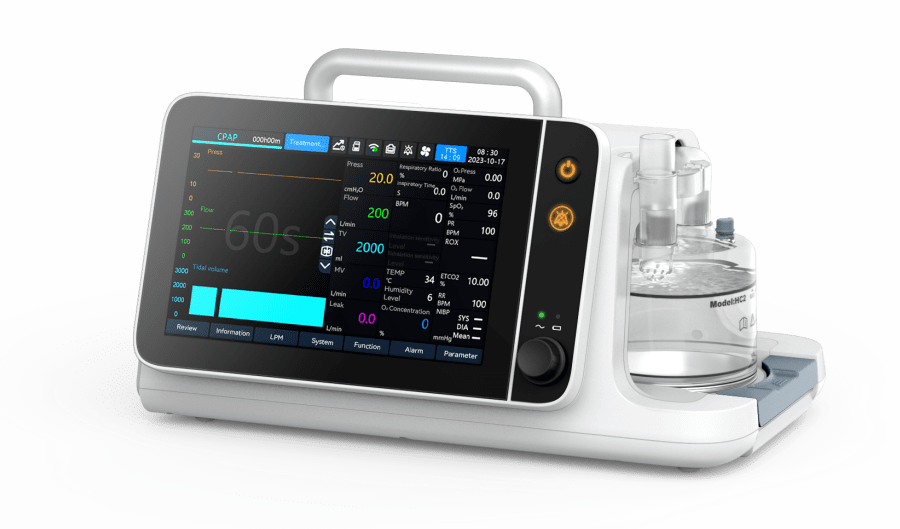
Compact dimensions matter, but the truth is in the balance: small footprint versus battery life. A unit may boast lightweight construction yet offer only a few hours of battery life—unsuitable for overnight flights or remote stays. Compare: integrated battery systems that permit overnight operation, versus units that rely solely on AC power and require external battery packs. Pressure settings must remain stable across power swings; otherwise therapeutic efficacy falters. Noise level is another companion—low decibel output preserves sleep for both user and partner.
Comfort and interface: masks, humidifiers, and user trust
Therapy succeeds through comfort. The mask interface and a responsive humidifier reduce leaks and mucosal drying, improving adherence to treatment. Auto-adjusting PAP (APAP) modes help when sleep conditions change across time zones, but their algorithms vary—some are gentle, others reactive. Look for clear, simple controls and good documentation; when dawn arrives in a hostel or hotel, minimal fiddling wins the morning.
Performance features that clinicians respect
Clinically, a portable unit must maintain therapeutic pressure within specified tolerances. Durable construction and validated pressure accuracy are non-negotiable. Travel-oriented devices that include data recording for compliance monitoring bridge patient needs and clinical oversight—this is how physicians confirm therapy and adjust settings. A practical device may lack advanced ventilator-level controls like tidal volume measurement, yet it must ensure consistent positive airway pressure throughout the night.
Practical travel considerations and compliance with carriers
Airlines and border-crossing rules shape decisions. Carry-on size limits, battery transport regulations, and TSA guidelines influence which units are convenient to use. A dedicated travel model often comes with a removable battery pack approved for air travel and an airline-friendly case. For journeys that span several climates, condensation control and durable filters matter to maintain hygiene. Those who move frequently should search specifically for travel-certified models; many brands list a travel cpap model in their lineup which simplifies choice and paperwork.
Comparative snapshot: trade-offs and alternatives
Weighing options yields clear trade-offs. Smaller units: excellent for mobility, sometimes limited on humidification and battery life. Mid-size: better humidification and longer battery endurance, slightly heavier but often the best compromise. Full-size CPAPs: unmatched in integrated features, but poor for frequent flyers. Alternatives include lightweight APAP devices for variable pressure needs, and modular setups where external batteries and compact humidifiers are mixed to suit the trip. The right selection depends on the trip profile—overnight flight, multi-night road trip, or long-stay abroad.
Common mistakes to avoid
Buyers often focus only on weight or brand prestige and neglect mask fit, data export capability, or verified pressure accuracy. Another misstep is assuming all batteries are airline-compliant—verify specifications. Finally, do not overlook service networks; repairs in foreign locales can be slow without international support. —These practical faults frequently repeat, and they unravel otherwise good choices.
Advisory finale: three golden rules for selecting your travel CPAP
Rule 1: Prioritize reliable battery life and verified pressure stability—this ensures continuous therapy across time zones. Rule 2: Favor devices with proven humidification and a comfortable mask interface to maximize adherence. Rule 3: Confirm airline and customs compatibility—battery approvals and carry-on dimensions save time and stress. Follow these metrics and you choose a tool that supports medicine with mobility.
For travelers who want a balance of portability and clinical respectability, the decision naturally leans toward models that blend battery endurance, pressure fidelity, and user comfort—solutions that resonate with the practical promise of devices like the travel cpap. In the end, the right device keeps the therapy steady, the night unbroken, and the itinerary intact—Byond. —