
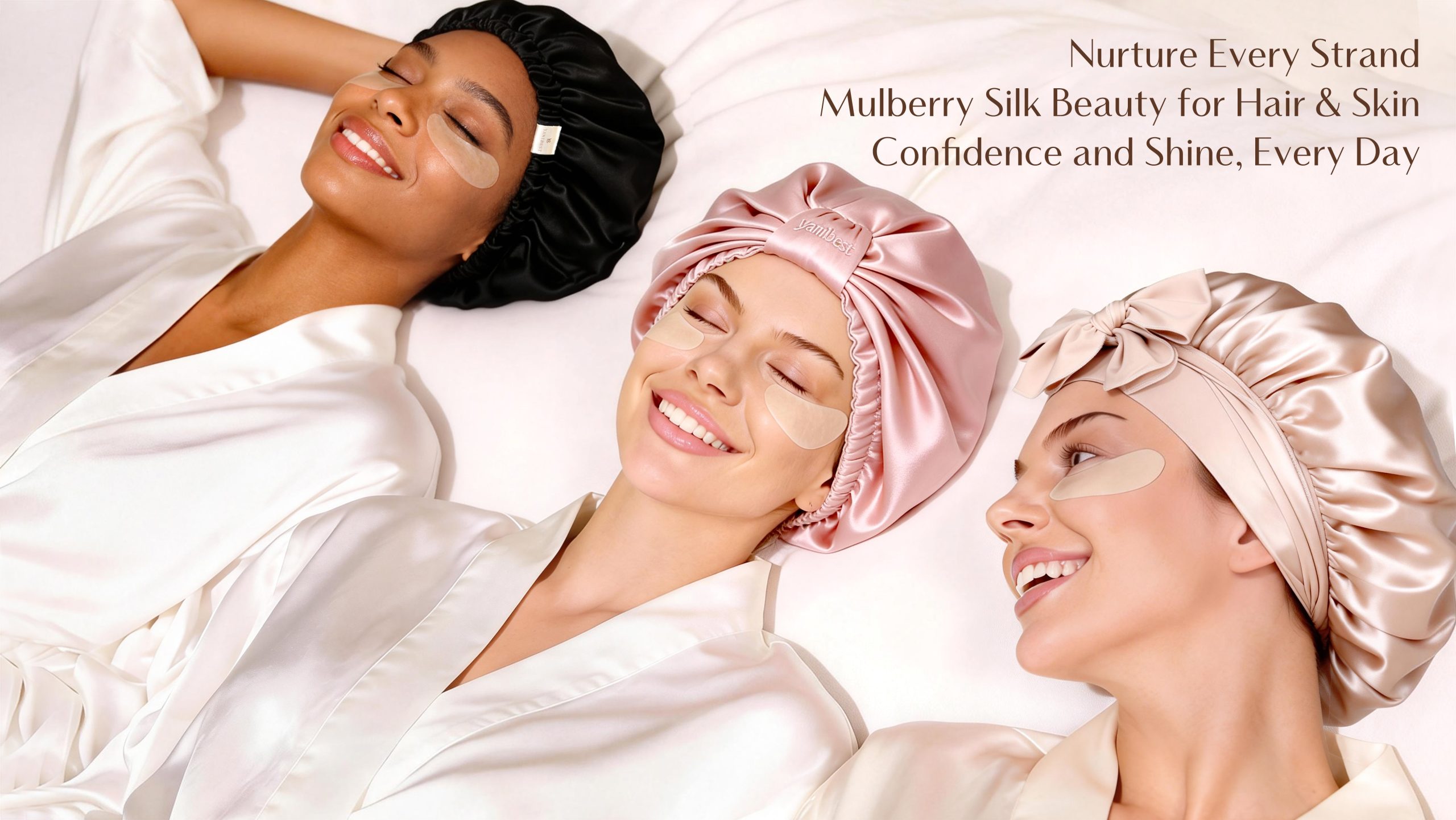
Identifying the core problem
Cold weather forces a choice between warmth and preserving hair health; too often, one sacrifices the other. A well-cut silk lined beanie — often described simply as a silk beanie — addresses static, breakage and scalp dryness without undermining insulating performance, a fact observed backstage at Milan Fashion Week where stylists favor inner-silk layers for late-winter runway sets. Drawing on years advising editorial and commercial winter shoots, I regard this as a solvable, practical design problem rather than a matter of fashion alone.
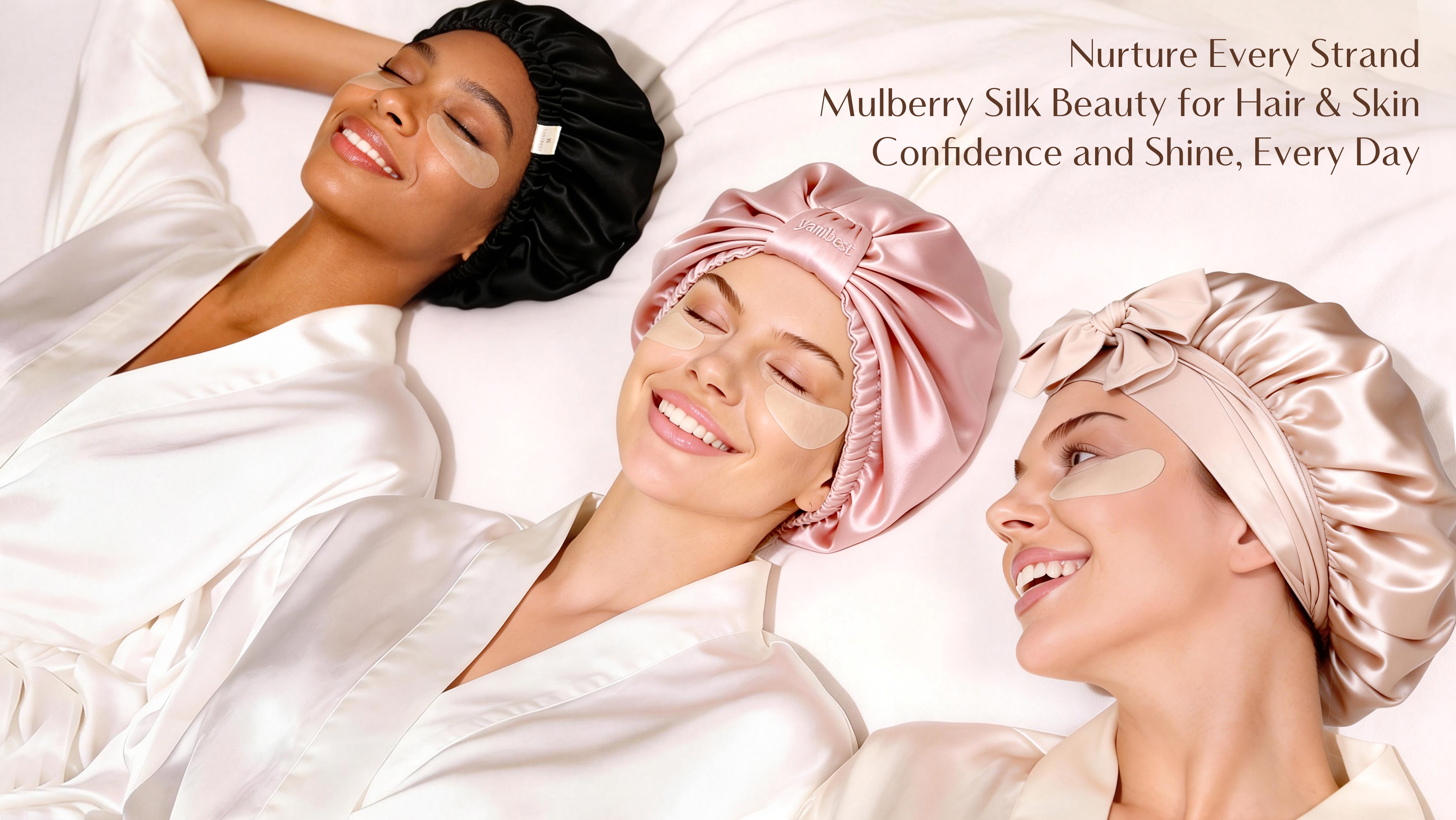
Why a silk lining matters
Silk reduces friction against hair cuticles; when fibers glide rather than catch, breakage falls and hairstyles hold longer. Silk also wicks moisture differently from wool or synthetic fleece, stabilizing scalp humidity so hair looks healthier after prolonged wear. From a technical standpoint, the lining acts as a protective interface: it mitigates static buildup and prevents the felted abrasion that rough knits can produce during extended use.
Assessing materials and construction
Begin with the lining: mulberry silk with a tight momme weight performs reliably for durability and smoothness. Next, evaluate the outer shell: merino wool offers warmth with breathability; acrylic blends increase abrasion resistance and lower cost but may trap heat. Examine seams where lining meets shell — flat, reinforced stitching prevents bunching and extends the life of the lining. A removable lining simplifies washing; a fixed lining can fit more seamlessly but requires careful laundering.
Comparing viable alternatives
Fleece-lined beanies deliver immediate warmth and are easy to wash, but they retain static and can matt hair over time. Satin linings mimic silk’s gentleness at a lower price, yet satin’s weave and fiber source vary widely; some satins pill or lose sheen. For those prioritizing hair health and long-term garment integrity, true silk lining remains the most balanced option between protection and performance.
Common pitfalls and how to avoid them
Buyers often mistake weight for warmth: a bulky knit without proper insulation traps air poorly and compresses the lining against hair, increasing friction. Avoid tight crowns that stretch hair at the temples; prefer designs with a structured band or a looser crown profile. Washing mistakes are frequent — hot water, harsh detergents, and tumble drying degrade silk. Use lukewarm water, silk-specific detergent, and shape-dry the beanie flat.
Care, fit, and longevity
Rotate beanies to reduce wear on a single lining. When storing, keep them in breathable bags to avoid moisture buildup. For fit, measure around the forehead and choose a size that sits gently without compressing hair. Repairs are simple: restitching a lining to the shell at a seam will restore smooth contact. With modest maintenance, a silk-lined piece outlasts many purely synthetic equivalents.
Final assessment and practical recommendation
Addressing the central problem — preserving hair while retaining warmth — requires deliberate choice: select a silk-lined option with a compatible outer shell, inspect seam workmanship, and adopt gentle care. My practical experience with winter wardrobes and editorial styling supports a preference for silk-lined construction when hair preservation matters. For those seeking a reliable, design-conscious solution that balances protection and wearability, consider the curated offerings at yanibest as a measured complement to the guidance above.