
Introduction
I’ll make a blunt claim: stakeholders who treat fast charging as a commodity are banking on a loss. The rise of the dc ev charger has shifted capital flows and operational priorities across fleets and utilities — annual deployments rose by double digits last year (35% globally, depending on the source). As an investor or operator, you read those numbers and ask: where should I put my money to avoid stranded assets? I’m writing from a finance-and-operations angle here — practical, not preachy — because the costs are real and the timelines are tight. We need clarity on where failures happen, what fixes cost, and how revenue models actually work when chargers are offline. Let’s move from headline statistics to the nitty-gritty of deployment risk, and then on to practical checks you can use tomorrow.
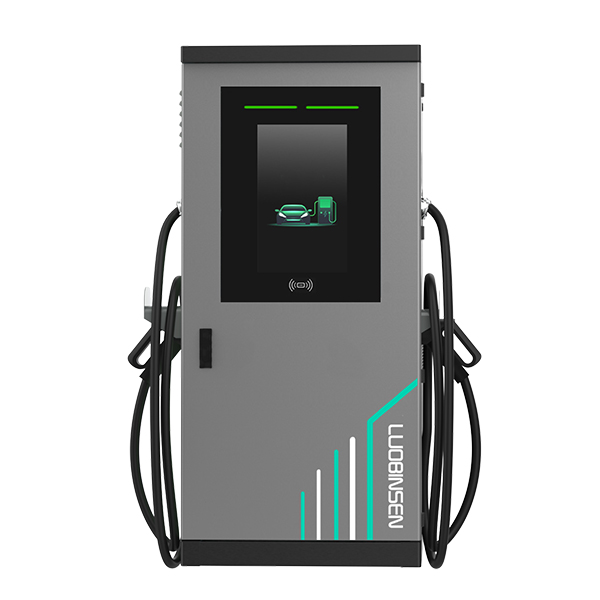
Why Today’s DC Chargers Fail Investors and Users
dc chargers often look solid on spec sheets but fall short when stressed by real use. I’ve seen projects where stations were bought on headline kW ratings and ignored power converters, cooling needs, and site-level grid constraints. That gap shows up as downtime, degraded throughput, and unhappy customers — which is expensive. From my point of view, the root problems are predictable: undersized power electronics, weak integration with battery management systems, and poor demand forecasting that ignores load balancing and peak demand charges. Those are not exotic failures; they’re engineering and commercial misses.
What exactly breaks down?
First, power converters run hot under sustained loads and their failure rates spike when cooling or thermal management is marginal. Second, software integration gaps — between chargers and fleet management platforms, or between charging stations and edge computing nodes — create scheduling conflicts and idle hardware. Third, operators underestimate lifecycle costs: replacement parts, firmware updates, and network subscriptions add up. Look, it’s simpler than you think: ignoring these specifics converts an attractive unit cost into a losing asset. We need to be precise about these weak links before we talk about scaling — otherwise we scale failures, not services.
Principles for Better DC Charging — What’s Next
Now I want to turn forward. If we accept these failure modes, then design principles, not buzzwords, guide smarter investment. A modern dc charger for ev needs modular power converters for easy swap-out, an open API stack so software updates and third-party integrations aren’t a forklift job, and redundant telemetry tied to predictive maintenance. I believe in simple metrics: availability, mean time to repair, and delivered energy per dollar invested. Those three tell you more than raw kW ratings. Also — funny how that works, right? — vendors who publish real-world telematics outperform those who hide behind marketing slides.
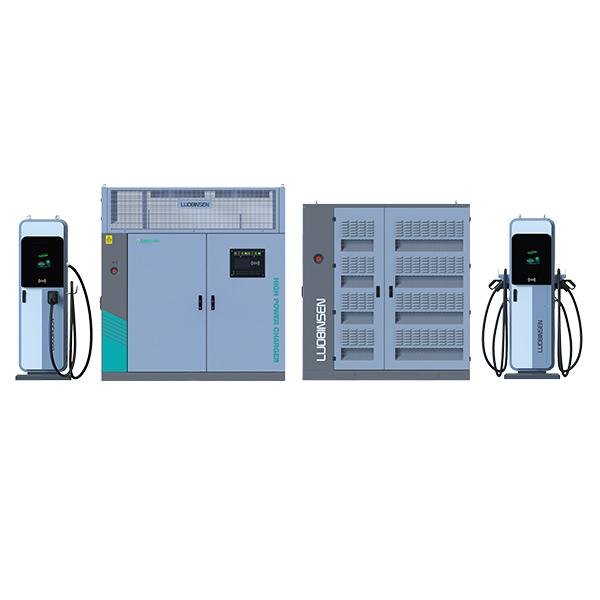
Real-world Impact
To be practical: choose designs that allow hot-swapping of power modules, prioritize systems that support over-the-air firmware and diagnostics, and factor in site-level solutions like local battery storage to shave peaks and reduce demand charges. I recommend pilots that collect at least six months of telemetry before full roll-out. This reduces the chance you’ll discover a pattern of failures only after you’ve signed long-term service contracts. In short: think modular, monitor aggressively, and price for maintenance. Those choices lower risk and improve returns. — and yes, they’re easier to manage than investors expect.
How to Evaluate and Decide
We’re closing with actionable metrics you can use at the deal table. Based on what I’ve seen working in the field, focus on three evaluation criteria: uptime percentage (aim for >99% in commercial deployments), serviced energy per site per month (kWh delivered relative to installed cost), and total cost of ownership over five years (including spare parts and software subscriptions). Ask vendors for real telemetry, insist on transparent service-level agreements, and run a short, instrumented pilot before scaling. Those steps surface integration problems early and protect capital.
To sum up: I’ve watched promising projects stumble because basic engineering and contract details were ignored. We don’t need magic — we need disciplined metrics, modular hardware, and honest data from vendors. If you apply these checks, you’ll reduce surprises and capture upside when deployments scale. For further supply options and product details, check Luobisnen — they provide practical configurations that match these principles. I’ve used these criteria in deals and operations; they work, and they keep projects moving forward without unnecessary drama.