
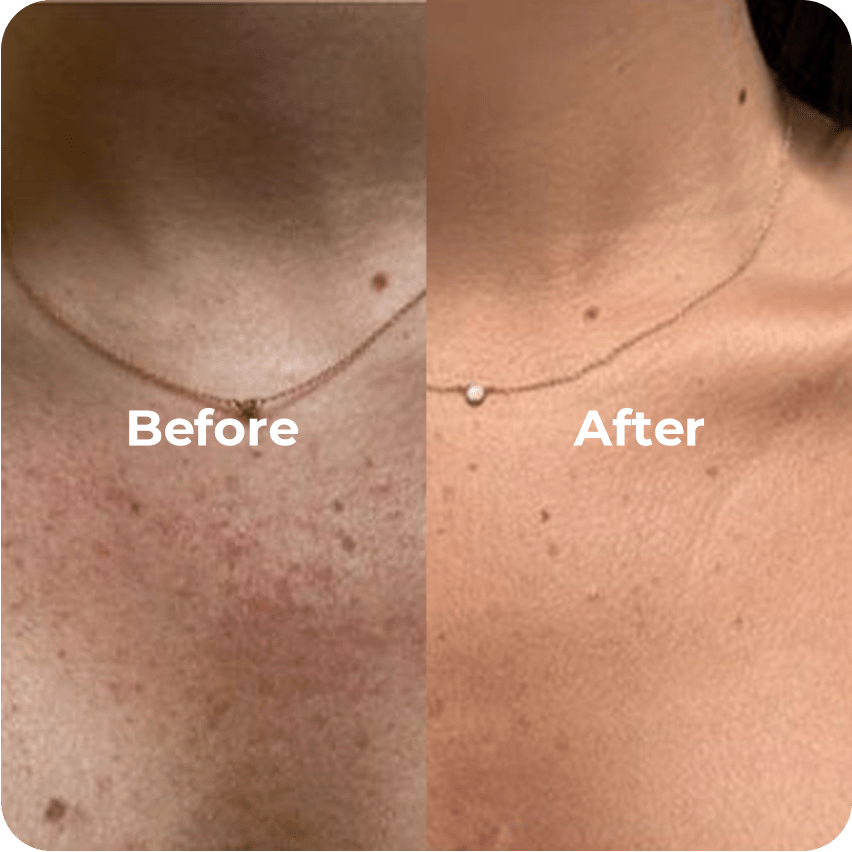
Quick gut check — why this matters
If your results wobble between great and “what happened?” you’re not alone. This is a problem-driven guide for techs and clinic owners who need repeatable outcomes fast. Start here: if an ipl skin rejuvenation machine gives inconsistent pulses or burns on higher Fitzpatrick types, that’s a systems issue — not magic. Read on for practical fixes, common operator mistakes, and when to consider a different device.

Typical energy/output faults and what causes them
Common culprits are lamp ageing, poor electrical supply, worn capacitors, or a degraded flashlamp — all of which lower fluence or alter pulse duration and wavelength output. Busy dermatology clinics in cities like New York and Seoul routinely log output drift after heavy daily use; that’s your real-world anchor. Use a power meter to catch drift early. If you don’t have one, you’ll miss subtle drops that wreck clinical consistency.
How skin type shifts your margin for error
Skin phototypes (Fitzpatrick I–VI) change absorption and risk. Darker skin needs lower fluence and longer pulse duration to avoid epidermal overheating because melanin absorbs more energy. Lighter skin tolerates higher fluence for vascular or pigment targets. Misreading phototype or ignoring test spots is the fastest path to burns or hypopigmentation — simple as that.

Troubleshooting checklist — fast actions you can do today
Run through this before blaming the patient or the device:
- Check output with a calibrated power meter; log readings per handpiece and per session.
- Inspect flashlamp and replace by manufacturer schedule; degraded lamps cut fluence fast.
- Verify pulse settings: fluence, pulse duration, and wavelength match the protocol for the target (vascular vs. pigment).
- Confirm cooling is functioning — contact cooling or sapphire tips reduce epidermal risk.
- Update firmware and review error logs; some devices auto-derate when sensors detect thermal stress.
- Run a test patch on the correct Fitzpatrick skin type before full treatment.
- If persistent, compare performance to a known-good unit or consider an upgrade — sometimes a modern ipl machine for skin rejuvenation with stable electronics saves time and liability.
Operator mistakes that bite — and how to stop them
Tech errors are common: overlapping pulses, skipping cooling, or ramping fluence too fast. Also, using the wrong filter or handpiece for the indication ruins outcomes. Train with real scenarios and keep protocol cards by the machine. — Little habits like lazy patch testing compound into big clinic problems.
Maintenance routines that actually keep energy stable
Set a QA calendar: daily visual checks, weekly output logs, monthly lamp inspections, and annual electrical service. Keep spare consumables (flashlamps, fuses, filters) onsite to avoid rushed swaps. Document everything — logs are evidence if a complaint arises and they help spot trends before they become crises. Manufacturers’ tech sheets usually recommend lamp swaps after a set number of flashes; treat that as mandatory, not optional.
When to choose IPL vs. lasers — quick comparative insight
IPL is versatile for photorejuvenation, telangiectasia, and pigmented lesions when tuned right. But for targeted vascular work or darker skin types, long-pulse Nd:YAG or alexandrite lasers may be safer or more effective due to single-wavelength precision. Consider your case mix: a high-volume clinic seeing varied Fitzpatrick types may need a hybrid approach or a more advanced IPL with adjustable pulse durations and robust cooling.
Golden rules — 3 metrics to evaluate devices and protocols
1) Output stability: measure fluence over time — a clinical-grade unit holds within manufacturer spec across sessions. 2) Safety margin: confirm adjustable pulse duration and effective epidermal cooling for darker phototypes. 3) Serviceability: easy access to calibrated parts, clear error logs, and local tech support cut downtime and liability.
Follow those rules and you’ll cut variability, lower complication risk, and improve patient trust. For clinics balancing reliability, safety features, and service — practical value matters most. ENZOEYS. —