
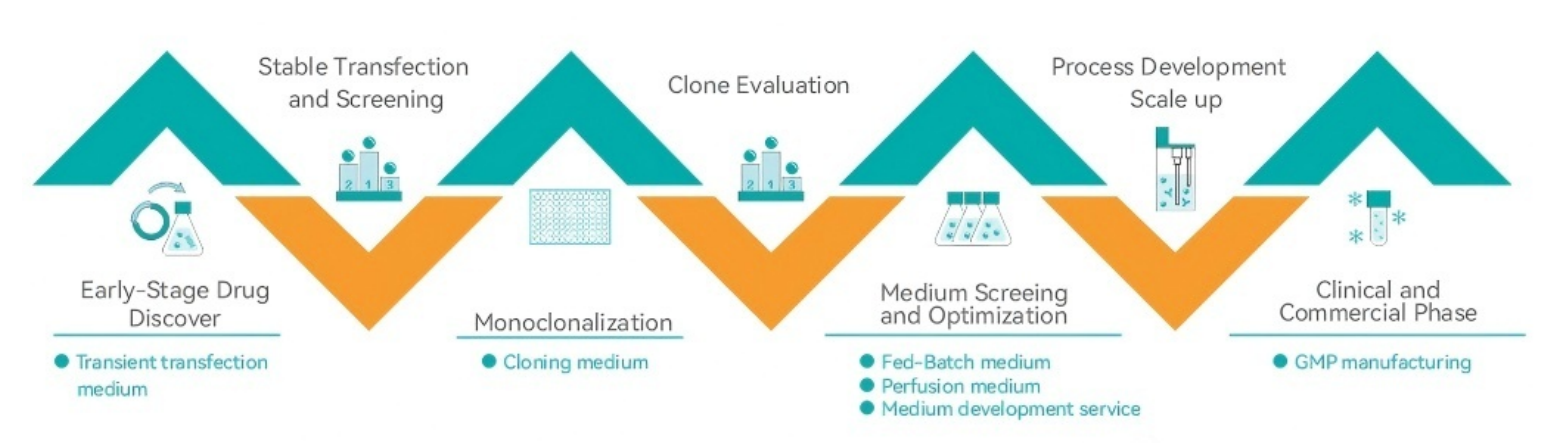
Opening reflection and real-world problem
I remember a cramped lab in Cambridge one June morning in 2019 when a seemingly small media change wiped out a weekend run (I have over 18 years in bioprocessing and upstream manufacturing, so I say this with weight). Early in that run I switched to a different formulation and saw cell density stall by 25% within 48 hours — the culprit was the new cho medium chemistry (osmolality differences, nutrient balance). That sight genuinely frustrated me; I had trusted vendor specs. I share this because cho medium is not just a consumable. It is an active process variable that interacts with your cell line, bioreactor control, and feeding strategy — fed-batch or perfusion — in ways teams often overlook.

Why does this keep happening?
In practical terms: cells respond to glucose swings, ion shifts, and trace metal availability. I’ve run fed-batch processes in 200 L single-use bioreactors and seen viability drop when a medium lacked adequate glutamine buffering. Metabolite profiling showed lactate spikes and a 18% drop in final titer by day 12. These are measurable consequences: lower yield, longer clean-up, and delayed releases. (I still use that incident as a training case.)
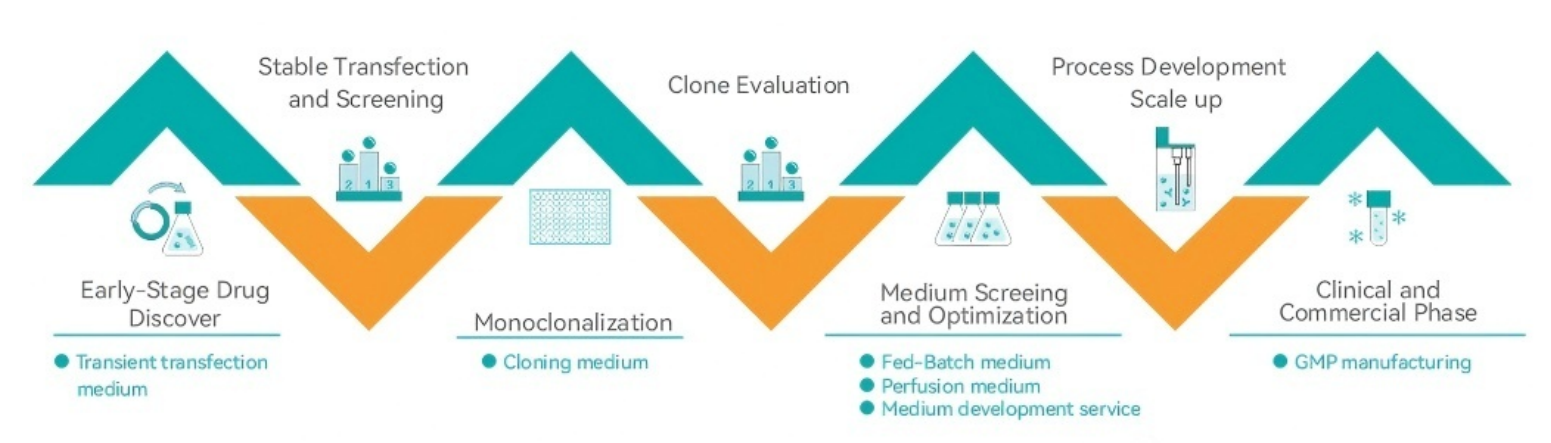
Forward-looking comparison and practical recommendations
Now, moving from what broke to how to set things right — we must compare choices with clear metrics. When I evaluate any cho medium today I run three quick checks: short-term cell density response (48–72 h), viability trend during a mini fed-batch, and osmolality change after a defined spike in glucose. These checks are simple and they reveal compatibility issues early. I prefer serum-free media with clarified trace-element profiles for robust performance; that preference comes from years of seeing serum variability cause downstream chromatography headaches.
What’s Next?
Technically, the next move is design-of-experiment runs that include media as a factor alongside feed regime and inoculum density. I recommend a two-week pilot matrix: vary medium lot, feeding schedule, and agitation rate. Quantify cell density, viability, metabolite levels, and titer. One of my teams in San Diego ran such a matrix in March 2021 and improved titer by 22% while reducing lactate accumulation — measurable, verifiable gains. — a small investment; big returns.
Advisory close: three metrics to prioritize
I will close with three evaluation metrics I insist on when selecting or qualifying cho medium for production: 1) early-stage growth response (48–72 h cell density and viability), 2) metabolic stability (glucose, lactate, ammonia trends during a mini fed-batch), and 3) downstream impact proxy (clarity and impurity load after a defined harvest point). Use these to decide, not just vendor claims. I prefer suppliers who provide lot-level metabolite data and at least two independent case studies (we must demand that level of traceability). — honest, direct, and actionable.
In my experience, getting media decisions right reduces batch variability, shortens troubleshooting time, and directly improves yield and predictability. For teams balancing single-use bioreactors, perfusion runs, or scale-up to 2,000 L, cho medium choice is often the single most cost-effective lever. I stand by that from more than a decade and a half on the floor, and I recommend you test rigorously, document every lot change, and measure the three metrics above. For further technical supplies and formulation support, consider vendor partners such as ExCellBio.