
Introduction — a small scene, a big problem
I was in a cramped print bay last Tuesday watching a technician frown at a batch of warped prints. The room smelled sharp; the operator squinted at the samples and sighed. In many shops today, fume extraction products sit in the corner and do their job quietly, but the air still feels wrong. Recent shop surveys show 6–12% higher rework rates in spaces with poor ventilation (yes, those figures matter). So I kept asking: how do we make the workspace safer and the process more predictable without slowing down production?
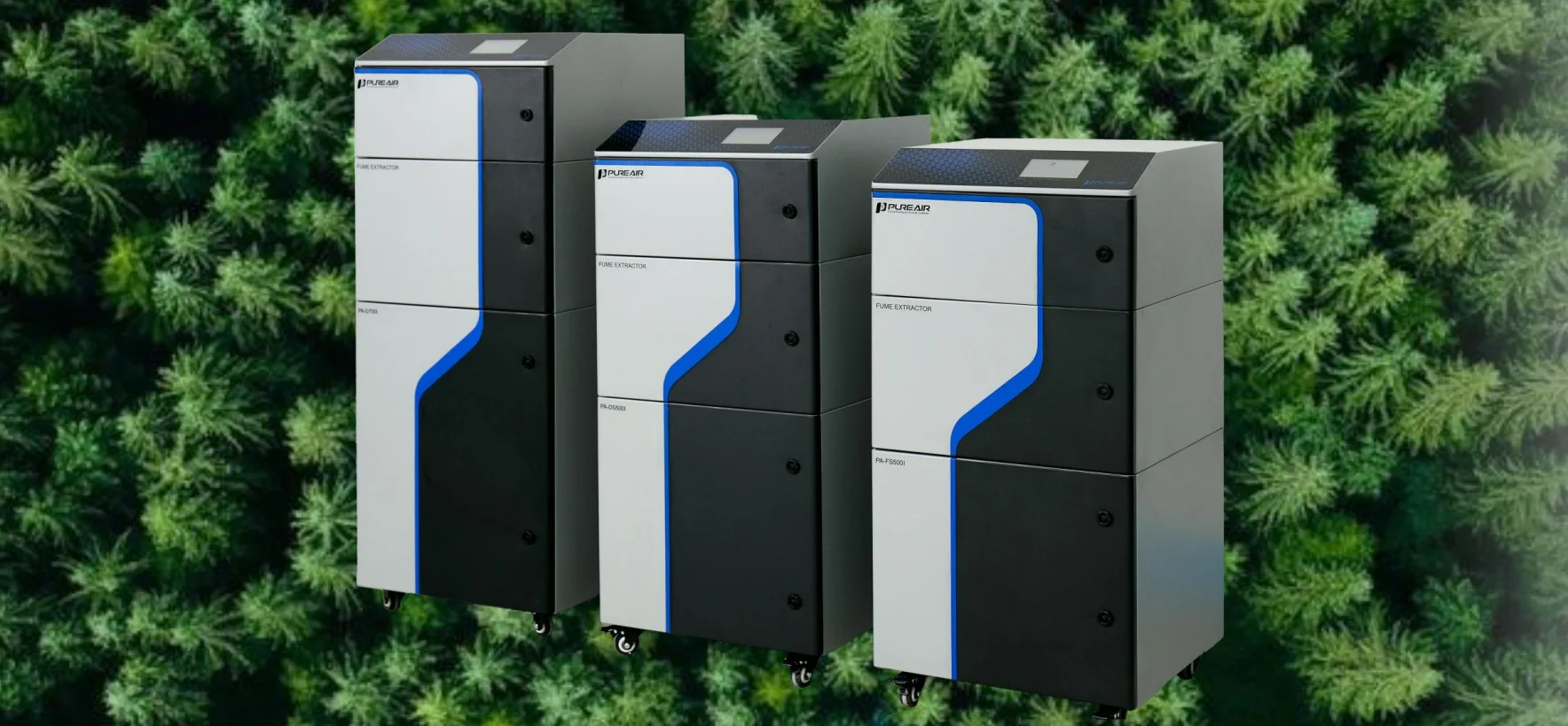
I’m writing as someone who has seen both sides — the quick fixes and the long waits for a fix that actually lasts. I care about uptime, but I also care about people breathing safe air. That blend of empathy and practical focus is what guides my take here. We’ll look at root causes, not just band-aids — and I’ll share what I’ve learned from the shop floor and the spec sheet. Ready to dig in? — let’s move to the hard stuff.
Why traditional systems fail for UV curing
What’s the real issue?
When I say “traditional systems,” I mean old ductwork, undersized fans, and filters selected by habit rather than need. In many UV curing setups the process looks simple: ink, lamp, conveyor. But the chemistry—volatile organic compounds, ozone—creates a complex emissions profile. I’ll be blunt: many setups treat fumes as an afterthought. Look, it’s simpler than you think to overlook key parameters like airflow rate and filtration media. The result? Uneven cure, ghosting, and unhappy operators.
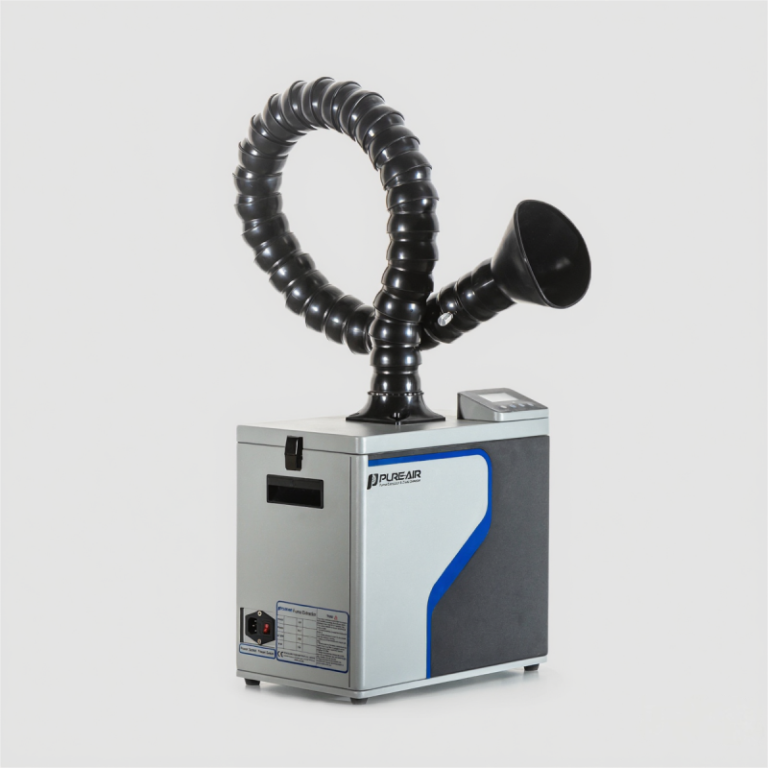
Technically speaking, UV curing needs constant, predictable airflow and targeted capture at the source. If the fume path is long or the capture hood is misaligned, you get dilution instead of capture. HEPA filters catch particulates, but they do nothing for ozone unless paired with activated carbon or catalytic converters. Power converters on aging extraction fans can wobble, causing inconsistent RPM and thus variable airflow — which ruins consistency across a run. I’ve measured machines where a 10% dip in fan speed changed cure uniformity by measurable amounts. That’s not a margin; that’s a problem you see on the production sheet. — funny how that works, right?
Future outlook: smarter extraction and practical metrics
What’s Next
I believe the next wave is systems designed around the process, not the other way around. For UV curing, that means source capture hoods tuned to the lamp geometry, modular filtration that combines HEPA with media for gases, and sensors that track airflow rate in real time. I’ve watched a pilot line upgrade from basic canopy capture to a modular extraction array and the change was night and day: fewer rejects, less operator fatigue, and faster job turnover. There’s a tangible return — and I’m not exaggerating.
When you evaluate options, focus on three clear metrics I use in the field: capture efficiency at the source (percent), steady-state airflow rate (CFM), and total cost of ownership over five years (including filter media and energy). These metrics map directly to prints per hour and operator comfort. If a vendor can’t show data for those three points, I’m skeptical — and you should be too. In short, invest in targeted capture, sensible filtration, and honest metrics. That’s how you turn extraction from a necessary cost into a production advantage. For practical solutions and tested systems, we lean on partners like PURE-AIR.