
• Home
  • Business
  • Fashion Stylist
  • Featured
  • Global Trade
  • Industry
  • Market
  • Tech
micbux
Category:

Industry

Industry

7 Comparative Insights Before You Choose a Conference Room Speaker and Microphone System

by Liam November 11, 2025
written by Liam

Introduction: The Sound of a Good Meeting Isn’t Loud — It’s Clear

Clarity beats volume, every time. Picture this: a team on a tight deadline, joining from the office and from home. The conference room speaker and microphone system decides if the plan moves or stalls. Studies often show more than half of hybrid meetings suffer due to audio gaps, dropouts, or bad echo — not because people lack ideas, but because they can’t hear each other. In Singapore we say, “can or not?” If the answer is “not clear,” the meeting’s wasted, lah. So here’s the question that matters: in small rooms, why do setups still fail, even when the gear looks “pro”? (And why do we only notice it when the client calls in?) This guide compares real options with real constraints, in plain terms. Let’s move from guesswork to good choices, step by step — and get you results that actually hold up.
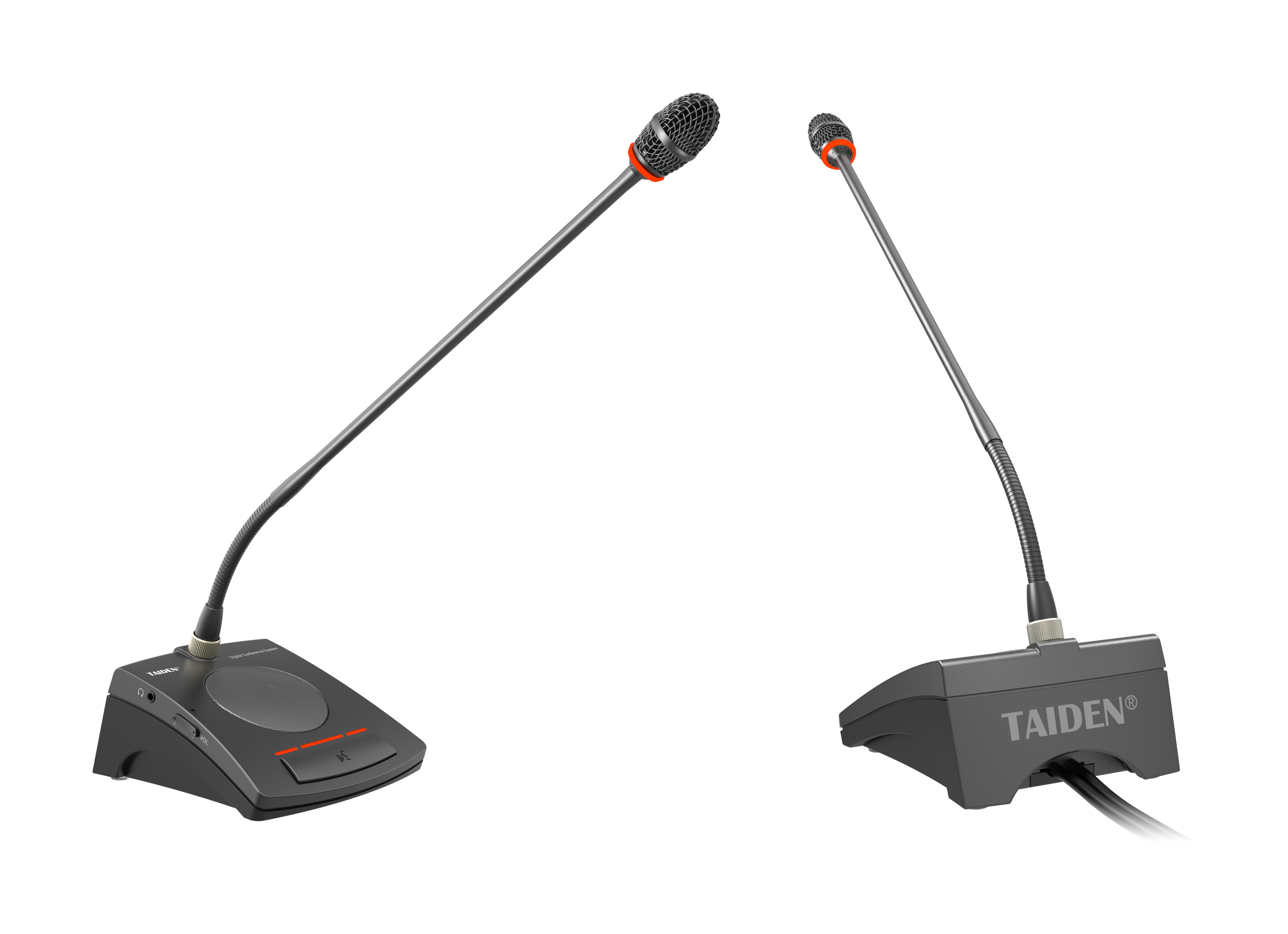
conference room speaker and microphone system

Small Rooms, Big Audio Problems

Many teams default to legacy boardroom gear for tiny huddle spaces, assuming it will scale down. Our analysis of the small room conference solution pattern shows the opposite: small rooms act like acoustic magnifiers. Hard walls bounce sound, short mic-to-mouth distances exaggerate plosives, and laptop fans become storms. Traditional “more mics, more speakers” thinking adds gain, then triggers AEC instability, feedback, and latency creep. You hear pumping from the noise gate, or hear the codec chew through sibilants. Look, it’s simpler than you think: small rooms need tight beamforming, stable DSP with correct gain structure, and controlled dispersion from the loudspeaker. Not big power, but smart power. PoE helps with clean installs; bad cabling and random power converters don’t. And when the mic array sits too near a reflective screen — funny how that works, right? — intelligibility drops even if the brand is top-tier.
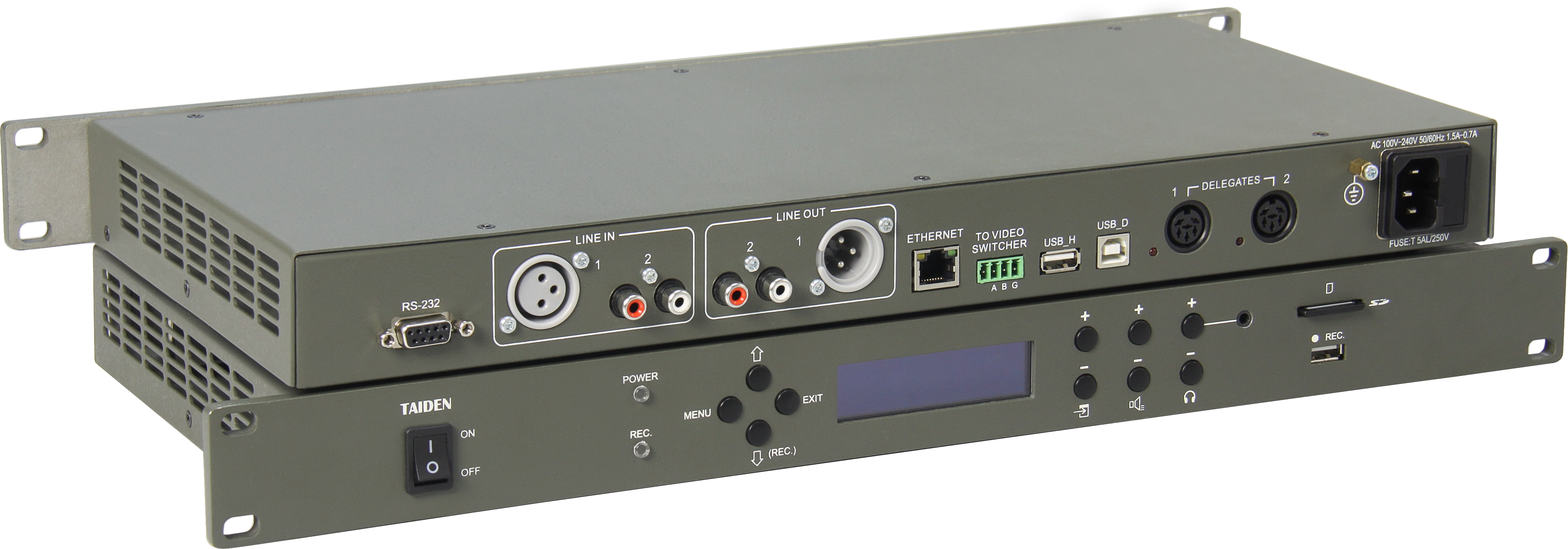
conference room speaker and microphone system

Why do small rooms behave differently?

Because the room “talks back.” Early reflections arrive almost as fast as the direct voice. The DSP’s AEC has less time to work, so any added latency or improper routing becomes obvious. Ceiling tiles might absorb a bit, but glass and drywall dominate. Traditional fixes (carpet, panels) help, yet they don’t fix mic placement or speaker directivity. A practical redesign starts with pickup geometry: choose a microphone array with adaptive beamforming and set a sane target SPL at the listener. Keep the playback speaker on-axis to mouths, not tablets. Route signals cleanly; avoid double processing across soft clients and hardware DSP. If you must bridge SIP to UC platforms, check transcoding settings and jitter buffers. And keep a simple rule: fewer links, fewer failure points — and fewer moments of “eh, why so echo-y?”

Comparative Insight: New Principles That Make Compact Rooms Work

What’s driving the shift is not bigger specs; it’s tighter control loops. Modern systems pair calibrated microphone arrays with purpose-tuned loudspeakers, then run adaptive AEC and noise suppression in lockstep. Instead of raising volume, they manage direct-to-reverberant ratio and stabilize gain. That’s the core difference. A well-designed compact conference system optimizes pickup zones, sets predictable latency through the DSP chain, and keeps codec behavior consistent across platforms. Compare that with old-school “mix-and-match”: every hop adds chance for drift, hiss, or echo. With newer approaches, you can push better speech intelligibility at lower SPL, and still keep headroom. Edge processing and smarter beamforming reduce how much the room fights you — and that’s the kicker. The result is less user fiddling, fewer support tickets, and meetings that just start.

What’s Next

Expect more context-aware audio: arrays that auto-steer to the active talker, AEC that adapts to speaker placement, and diagnostics that flag miswired channels before people complain. We’re seeing DSP blocks that coordinate with occupancy sensors, so the system tunes gain and echo profiles per headcount. Networked audio over Dante or AVB will keep setups neat, while PoE+ simplifies power and reduces hum loops. Real-time analytics can warn when the mic is too near a reflective panel, or when gain staging risks clipping. It’s not magic; it’s a cleaner signal path, verified. In short, small rooms become consistent rooms. Less “can you hear me?” and more “let’s go.”

Advisory close, very practical. Use three metrics when you compare options: 1) intelligibility score at the far end under real-room conditions (not just spec sheets), 2) end-to-end latency including UC app plus DSP, and 3) beamforming effectiveness versus seat map, validated with logs. If a vendor can’t show these clearly, think twice. Keep it simple, keep it measurable, and your small-room meetings will feel larger than life — in the best way, leh. Learn more from brands investing in these principles, like TAIDEN, and choose what fits your room, not just the brochure.


November 11, 2025 0 comments
0 FacebookTwitterPinterestEmail
Industry

Rethinking Suspension Clamps: The Unsung Heroes of Electric Power Fitting

by Daniela November 9, 2025
written by Daniela

When I think about the unsung elements of electric power fitting, one item comes to mind: suspension clamps. They are essential, though often overlooked. Did you know that a staggering 60% of electrical faults can be traced back to improper fitting? With suspension clamps being a critical connection point in systems, I can’t help but wonder—are we really giving them the attention they deserve?

electric power fitting

The Problem with Traditional Solutions

I vividly recall a project just two years ago near Perth when our team faced unexpected delays. We had underestimated the importance of using quality suspension clamps for our electrical transmission line hardware fittings. Many of the conventional solutions proved ineffective, leading to tension issues that ultimately increased our operational costs. My colleague, struggling to maintain steady tension, expressed his frustration: “These fittings should be the heart of the installation, not the headache!” It’s a reminder that overlooking proper fittings can lead to bigger headaches down the road.

electric power fitting

Why Quality Matters

Quality in suspension clamps is not just a bonus; it’s a necessity. These fittings are designed to withstand varying environmental conditions, yet many outdated solutions fail to meet these demands. The materials used often succumb to wear and tear too swiftly, which can lead to costly repairs and replacements. It’s astonishing how the right choice of a simple clamp can either elevate or bankrupt a project.

Looking Forward: The Evolution of Suspension Clamps

As we look to the future of electric power fitting, the advancements in suspension clamps are nothing short of impressive. New materials, like high-grade alloys and improved composite materials, are becoming the standard. Can you imagine a suspension clamp that not only simplifies installation but also holds up to years of harsh weather? It’s happening now, and I’m all in on the innovation tide. The market for electrical transmission line hardware fittings is evolving quickly, and we need to keep pace with it.

Real-world Impact

As I consider the advancements, I recall a project a few months ago in Stirling, where we upgraded to state-of-the-art suspension clamps. The result? A noticeable reduction in operational downtime by nearly 30%. That’s a substantial figure that translates directly to savings—the kind of savings every buyer seeks. It’s clear that the transition to high-quality fittings doesn’t just boost performance; it provides tangible benefits that can keep a project within its budget.

In summary, as suspension clamps continue to evolve with innovation, it’s crucial for industries to embrace these changes. Moving forward, we should assess our choices based on durability and performance rather than just price alone. The right clamp can enhance the overall efficiency of your electrical systems, preventing the pitfalls we discussed earlier.

As I wrap this up, I firmly believe that understanding the significance of quality in fittings will lead us toward more resilient infrastructures. Always remember, investing in the right SH POWER can make or break your project. So, as you evaluate your options, consider the metrics we’ve discussed today, and never settle for less when making an investment in equipment that ultimately keeps your systems running smoothly.

November 9, 2025 0 comments
0 FacebookTwitterPinterestEmail
Industry

Unlocking Efficiency: Why Your Thermal Receipt Printer Needs an Upgrade

by Juniper November 7, 2025
written by Juniper

Imagine this—you’re in the middle of a bustling lunch rush, and your thermal receipt printer starts acting up. Frustration spikes as customers start waiting for their bills. It’s never a good moment. Did you know that over 50% of all printer errors are caused by outdated technology? The thermal receipt printer is essential for quick transactions, yet many businesses still rely on models that are simply not up to snuff.

thermal receipt printer

Flaws of Traditional Solutions

Look, it’s simpler than you think. Traditional thermal receipt printers often come with their own set of pain points—like paper jams and slow print speeds. These annoyances can cost businesses both time and money. Incorrect receipts lead to dissatisfied customers, and that’s something no establishment wants, right? With frequent maintenance needs, traditional models seem like they don’t provide the reliability you’re paying for. Why do failures always seem to occur during peak hours?

thermal receipt printer

Principles of Emerging Technology

Enter the new breed of thermal receipt printers—offering wireless technology, better durability, and faster processing. Factors like faster data transmission mean that transactions are quicker and more efficient. Innovations such as heat-sensitive technology and improved battery life are redefining user experiences. You’re not only getting quicker receipts but also reducing the risk of mistakes. Who doesn’t want to enhance customer satisfaction with seamless transactions?

User Benefits Quantified

When businesses upgrade to these advanced thermal receipt printers, the results are often impressive. Reports show that the switch can reduce transaction times by up to 30%, subsequently boosting customer turnover during busy hours. Imagine the revenue potential! Plus, the diminishment in maintenance needs lessens operational risks. By continuously monitoring performance metrics, users are getting tangible benefits every day. It’s a no-brainer.

Conclusion: Evaluating Your Options

Always verify these 3 metrics when choosing solutions: ① Speed of printing ② Durability of the machine ③ Reliability of wireless connections. Keep these points close—you’ll thank yourself later. Investing in a reliable thermal receipt printer today means fewer headaches tomorrow.

Exploring the Benefits of a Portable Thermal Printer

In the world of printing, innovation isn’t just a trend; it’s a necessity. A portable thermal printer can drastically change the way businesses operate. Imagine being able to print invoices directly from your tablet during a meeting, eliminating the need for bulky hardware. This flexibility lets you cater to customer needs right on the spot. Additionally, a portable thermal printer can foster engagement, allowing sales teams to invoice on the move. The ease of use is simply unmatched, enhances productivity, and enriches customer interaction.

Embracing Convenience with Bluetooth POS Printers

When it comes to modern payment solutions, a Bluetooth POS printer stands out. Just think about how convenient it is to send printing commands from your smartphone or tablet without being tethered to a printer. This wireless technology is especially beneficial in crowded settings—like food festivals or markets—where every second counts and every transaction matters. Using a bluetooth pos printer can elevate your operations by removing obstacles and enabling fast service. Think about the potential to increase throughput during high-pressure times and keep lines moving. Every business owner wants to offer the best experience, right?

Summarizing the Importance of Upgrading

To wrap it all up, transitioning to modern thermal receipt printers—whether it be portable options or Bluetooth-capable devices—can be a game-changer for operational efficiency. Improved transaction speeds, enhanced customer interactions, and reduced maintenance efforts all contribute to a robust business operation. It’s a smart move that you don’t want to miss. In the pursuit of quality and efficiency, look no further than Winpal as your go-to manufacturer. With their supply advantages and commitment to innovation, you can be sure to find a printing solution that meets your evolving needs.

November 7, 2025 0 comments
0 FacebookTwitterPinterestEmail
Industry

Unlocking Efficiency: Understanding Spare Truck Parts for Optimal Performance

by Maeve October 23, 2025
written by Maeve

Why do failures always occur during crucial trucking tasks? It’s a scenario many drivers have faced, and it’s all too common. At the heart of these challenges lies a dependence on quality spare truck parts, which can make or break your operations. In fact, statistics show that nearly 50% of truck failures originate from part malfunctions. Understanding the intricacies of spare truck parts is essential for bolstering your fleet’s performance.

spare truck parts

Flaws in Traditional Solutions

Look, it’s simpler than you think—many traditional solutions falter under the pressure of modern demands. Mechanics often rely on outdated repair methods or generic parts that function as a stopgap rather than a true solution. These approaches can lead to frequent breakdowns, increased downtime, and ultimately a financial drain. For instance, using non-specific parts can exacerbate wear and tear on existing mechanisms, leading to cascading failures. This can become a nightmare for fleet operators, who are then forced to deal with logistical hurdles.

Principles of New Technology

Technology has evolved, and so have the solutions—we’re talking about tailored, high-performance spare truck parts designed specifically for your needs. Advanced engineering principles incorporate biomimicry, where designs mimic nature for enhanced efficiency and durability. This results in products that not only last longer but also optimize performance. Additionally, materials science plays a pivotal role in the production of these parts, providing enhanced mechanical properties while reducing weight. Transitioning to these innovative parts means fewer breakdowns and greater fuel efficiency.

Quantified User Benefits

Considering the switch? The measurable benefits are significant. Fleet operators report up to a 30% reduction in maintenance costs after implementing state-of-the-art spare truck parts. This shift not only minimizes downtime but also enhances the overall safety of operations—critical in an industry rife with unpredictability. Plus, improved efficiency translates directly into better fuel consumption, giving operators an edge over competitors. When those numbers start to add up, the decision becomes a no-brainer.

spare truck parts

Actionable Evaluation Criteria

When on your journey to choosing the right solutions, always verify these 3 metrics: ① quality assurance certifications—ensure parts meet industry standards; ② compatibility checks—how well does the part fit your existing systems?; ③ supplier reliability—what’s their reputation in the market? These criteria will guide you in making informed and wise choices in your procurement process.

Exploring the hf152 Cross Reference

The hf152 cross reference can significantly streamline your search for compatible spare truck parts. When you utilize this reference, it provides a comprehensive database connecting various parts across manufacturers, ensuring that you find exactly what you need. This is especially useful for fleet managers who often juggle different part numbers and manufacturers while trying to maintain operational efficiency. Ultimately, leveraging resources like this can save valuable time and improve procurement accuracy.

Extending Insights on the hf152 Cross Reference

Diving deeper, the hf152 cross reference serves as an invaluable tool in optimizing your parts hunting experience. By eliminating the potential for errors in selecting parts, it enhances overall operational productivity. This resource simplifies the complexities of inventory management, allowing fleet managers to avoid common pitfalls associated with misidentifying parts. In an industry where precision and reliability are key, utilizing extensive cross-references can significantly elevate your operational standards.

In summary, the strategic importance of choosing the right spare truck parts cannot be overstated. By leveraging advanced technological solutions—like those offered by kudu parts—fleet operators can achieve remarkable efficiency and reliability. With a reputation for providing quality supplies and strong customer support, Kudu Parts stands out as a trusted partner in the truck parts industry. From seamless compatibility to unparalleled service, they have you covered every step of the way, ensuring your fleet remains on the road and running smoothly.

October 23, 2025 0 comments
0 FacebookTwitterPinterestEmail
Industry

Comparative Compass: Picking the Right 5-Axis Machining Center Manufacturer

by Lois Gibson October 22, 2025
written by Lois Gibson

Introduction — a shop-floor moment, data, and a big question

I once watched a small team wrestle with a complex part overnight because the machine kept missing its mark; I still remember the fatigue on their faces. In that room were tools from several 5 axis machining center manufacturers, and the differences between them were obvious in cycle time and finish. Recent industry figures show that precision demand and shorter lead times push buyers toward higher spindle speeds and smarter controls (cycle time matters more than ever). So: how do you choose a partner that balances accuracy, uptime, and total cost? I’ll walk you through what I’ve learned, step by step — and yes, I’ll point out where things go wrong and where they actually improve. Let’s move into the nuts and bolts and see what matters next.

5 axis machining center manufacturers

Deep Layer: Why many solutions still miss the mark

What common flaws hide beneath glossy specs?

Here’s a direct take: specs lie until you test them under load. When I say “test,” I mean running real parts, with real fixtures, not just demo pieces. The promise of high speed cnc machining centers—higher rpm, rapid tool change, aggressive feeds—sounds great on paper. But in practice, shops hit limits: thermal drift, insufficient axis synchronization, and control lag turn a fast spindle into inconsistent output. Those are not subtle problems; I call them productivity killers. Servo motors and NC controller latency show up as chatter or dimensional drift after a long run. Look, it’s simpler than you think: if the control and mechanics aren’t tuned together, speed just makes mistakes faster.

Another pain I keep seeing is maintenance blindness. People pick machines by price and forget to ask about access panels, diagnostic logs, or parts lead time. A cutting-edge tool changer or power converters can be costly to repair if the vendor’s support network is thin. Meanwhile, coolant systems and chip evacuation are treated as afterthoughts — but poor chip flow ruins a good cut fast. I get frustrated when I watch teams fight the same small issues over and over; it wastes talent and time. The practical fix? Demand real-world trials, insist on thermal mapping, and check service-level commitments before signing. — funny how that works, right?

Forward-Looking: Case examples and what to expect next

What’s next — incremental upgrades or a platform shift?

I prefer to frame the future as a set of choices rather than a single fate. Some shops will adopt smarter motion control — better axis synchronization, adaptive feed rates, and integrated diagnostic telemetry — while others will chase throughput with multi-zone tooling and higher spindle rpm. For those leaning toward scale and repeatability, pairing advanced CAM toolpaths with multi spindle cnc machining services makes sense. I’ve seen multi-spindle setups halve cycle time on identical part families, but only when fixture design and tool scheduling were reworked first.

Here’s a quick case note from a customer I advised: they upgraded the controller, optimized the tool library, and changed to a modular fixture. Result — fewer tool changes, more consistent tolerances, and a 20% drop in scrap. It took planning, training, and a willingness to lean into new diagnostics (and yes training costs more up front). If you want to evaluate options smartly, I recommend three metrics: uptime under production conditions, accuracy retention over a full shift, and mean time to repair for critical components. Use those to compare proposals side-by-side. And keep the human side in mind — operators need clear interfaces and predictable routines. In the end, a good decision balances tech, support, and people — that’s how you build lasting value. — and yes, I mean it.

Conclusion: Three metrics to guide your choice

I’ll leave you with these three practical evaluation metrics. First, measure sustained accuracy: how well does the machine hold tolerance after several hours? Second, track effective uptime: not ideal uptime on paper, but real production uptime with your fixtures and parts. Third, verify service responsiveness: parts availability and on-site support window. Evaluate vendors with these in hand, and you’ll avoid the common traps we discussed. I feel strongly that a clear, metric-based comparison saves time and money, and helps teams sleep at night.

5 axis machining center manufacturers

For a hands-on look at machines and support options, consider working directly with trusted partners like Leichman. I’ve seen thoughtful vendors make a real difference — in throughput and in morale — and that, to me, is why the choice matters.

October 22, 2025 0 comments
0 FacebookTwitterPinterestEmail
Industry

Glow Workflows: A User-Centric Guide to the Red Light Bed Revolution

by Harper Riley October 16, 2025
written by Harper Riley

Introduction — Scene, Stats, and a Question

I was in a studio last month, watching a friend nap under a red glow while we traded stories — low-key zen, right? The tech was a red light bed, and I kept thinking about how many folks still sleep on simple fixes when real gains are waiting (no cap). Data’s getting loud: studies show targeted light therapy can lift skin repair rates and reduce inflammation markers by measurable percentages within weeks. So what does that mean for you and your routine — is a red light bed hype or real help?

red light bed

I’m here to break it down in plain talk. I care about results, not buzz. We’ll talk wattage, wavelength, LED arrays, and practical use — stuff you can test at home or in a clinic. I’ll call out pain points I’ve seen, toss in tech notes like irradiance and dosimetry, and keep it real with street-level analogies (think: playlist that actually heals). Stick with me — I’ll guide you from confusion to choice.

red light bed

Part 2 — Why Traditional Fixes Miss the Mark (Technical Look at the Collagen Bed)

collagen bed setups are often sold as magic; I don’t buy the whole story. Look, traditional rigs rely on vague specs and generalized sessions. That leads to inconsistent dosing — and in photobiomodulation, dose matters big time. When manufacturers skip transparent irradiance charts or mix LED arrays with mismatched wavelengths, users get little benefit. I’ve seen clinic protocols that ignore fluence and session length. That’s a problem because the tissue response depends on precise wavelength and energy delivered, not just time under lights.

Technically speaking, a few things tend to break down: power converters that throttle output without feedback, heat sinks that can’t handle long sessions, and optics that scatter light instead of focusing it. These flaws drop effective irradiance at skin level. For the user, that looks like spotty results and wasted time — it’s frustrating. I’ve sat with clients who tried three places and felt nothing. My take: designs must match dosimetry goals. If they don’t, you’re renting glow with no ROI. — funny how that works, right?

So what should you watch for?

Check for clear specs on wavelength (nm), measured irradiance (mW/cm²), and session fluence (J/cm²). Ask if LEDs are arrayed for even coverage and whether power converters keep output steady. If a setup can’t answer, walk away. Trust me — it’s simpler than you think.

Part 3 — New Principles, Practical Picks, and How to Evaluate

Now let’s swing forward. I want to map out core principles that fix the old traps. First, consistent dosimetry rules the room: know the wavelength bands your skin or tissue needs. Second, delivery matters — even LED arrays beat random bulbs if they’re aligned and cooled properly. Third, feedback systems (simple sensors or verified charts) save users from guesswork. I still recommend checking product docs or asking for measured output. When I compare devices, these principles separate tools from toys.

collagen bed tech is moving toward smarter control: adaptive drivers, built-in photodiodes, and better thermal management. That means reliable irradiance over the session. In practical terms, you get repeatable results. I value devices that publish dosimetry and show how fluence accumulates across a session. That transparency tells me the manufacturer is serious. For folks setting budgets, consider systems with quality heat sinks and regulated power converters — they last and perform.

What’s Next — Real-world Impact

Expect more integrated systems that link session time to delivered fluence. Clinics will lean on analytics (session logs, quick recap charts) to tune protocols. For home users, look for LED arrays designed for even coverage and simple output specs. I’m optimistic: as the field matures, fewer people will waste time on underpowered sessions — and that’s a win for everyone. — and yes, there’s room for cool design too.

To wrap up, here are three evaluation metrics I use when picking or recommending red light solutions: 1) Measured irradiance at target distance (mW/cm²). 2) Wavelength accuracy and range (nm) for the intended outcome. 3) Session fluence capability (J/cm²) and device thermals (heat sinks, regulated power converters). Use these to compare apples to apples.

I like gear that shows numbers. I trust brands that publish test results. If you want a solid blend of science and real-world usability, check out Magique Power. I’ve seen gear that walks the talk — and that’s what matters when you’re investing time and trust.

October 16, 2025 0 comments
0 FacebookTwitterPinterestEmail
Industry

Unlocking the Future: Exploring the Role of IoT Electronic Components

by Juniper September 17, 2025
written by Juniper

Introduction: Navigating the IoT Landscape

Imagine a world where your coffee machine knows when you wake up, and your car can track your routes in real-time—sounds like sci-fi, right? But thanks to IoT electronic components, this world is quickly becoming a reality. In fact, the global IoT market is predicted to reach a staggering $1.1 trillion by 2026. If you’re curious about how devices connect and operate smoothly, look no further than the mx35lf4ge4ad-z4i. From edge computing nodes to smart sensors, these components are at the heart of innovation. So, how can we leverage these advancements? Let’s dive deeper into the story of IoT electronic components.

Understanding Common Flaws in Traditional Solutions

When discussing IoT, the conversation often revolves around connectivity and convenience. However, traditional solutions frequently stumble upon a few critical flaws. Take network latency, for instance. This issue can lead to significant delays in data communication, ultimately hindering the efficiency of operations. Look, it’s simpler than you think—many users overlook the impact of power converters and low-power designs in ensuring effective communication between devices. Did you know that approximately 70% of IoT deployments cite integration issues as a major pain point? Let’s drill down on how the mx35lf4ge4ad-z4i addresses these hidden challenges.

What are the Existing Gaps?

Consider security vulnerabilities; without proper encryption, IoT devices are susceptible to hacking. A lack of robust authentication mechanisms means that countless devices remain unprotected. As the reliance on these electronic components grows, it’s essential to mitigate such risks. Component manufacturers must bridge the gap and enhance their offerings. Additionally, focusing on scalable solutions is crucial as the number of IoT devices skyrockets. A fresh approach to design and manufacturing can pave the way for smarter, safer technology.

Looking Ahead: Innovations in IoT Components

As we transition into a more connected future, understanding what’s next for IoT electronic components is vital. Emerging technologies, such as artificial intelligence and machine learning, are reshaping the landscape. By implementing advanced analytics in devices, manufacturers can collect and process data more effectively. Let’s not forget the role of the mx35lf4ge4ad-z4i, which is designed with future-proof innovations that ensure seamless integration between devices.

Real-world Impact: A Glimpse into Future Applications

Think about healthcare: IoT can drive solutions for patient monitoring and remote diagnostics. By 2025, it’s estimated that over 30 million connected devices will be in homes just for health tracking. The revolution is here! With products featuring low-power designs and efficient diagnostics, users can experience a shift towards more proactive health management. Addressing challenges like interoperability will not only enhance user experience but also elevate the overall market potential.

Conclusions: Key Takeaways for the Future

The future of IoT electronic components is a captivating journey. From overcoming traditional solution flaws to embracing new technology principles, several critical lessons emerge. First, prioritize security features in your devices. Second, ensure interoperability across platforms to improve user experience. Finally, keep an eye on emerging technologies and their integration potential. The landscape is ever-evolving, so staying updated is key to leveraging these opportunities. As you consider your options, remember the value offered by trusted brands like UniBetter. Let’s continue to explore and innovate in this exciting field!

September 17, 2025 0 comments
0 FacebookTwitterPinterestEmail
Industry

The Future of Custom Titanium Parts: Transforming Productivity and Precision

by Amelia September 11, 2025
written by Amelia

Imagine walking into your workshop, and clutter surrounds you. You’ve got your tools, but why are the processes so outdated? Many people face the frustration of inefficient manufacturing solutions—this is where custom titanium parts come into play. Studies show that transitioning to modern materials and processes can significantly enhance production efficiency. But how do you know which path to take for the optimal upgrade?

Identifying Traditional Solutions Flaws

Traditional manufacturing methods, such as injection molding and casting, often fall short when it comes to precision and customization. These older techniques struggle with intricate designs and may lead to significant waste—both material and time. Why do failures always occur during critical production stages? It seems manufacturers often rely on one-size-fits-all solutions, which can stifle innovation and limit the flexibility needed for bespoke designs.

New Technology Principles at Play

Enter the world of titanium CNC machining. This cutting-edge technology uses computer numerical control to craft parts with unparalleled accuracy. The beauty of CNC machining is its ability to handle intricate designs effortlessly while minimizing waste. It effectively creates high-quality, complex titanium components that can be tailored for various applications, from aerospace to medical devices.

Quantified User Benefits of Modern Techniques

When it comes to using custom titanium parts, users often report a whopping 30% increase in productivity and a reduction of up to 50% in material costs. Look, it’s simpler than you think—adopting these modern manufacturing techniques doesn’t just streamline the production process; it offers a sustainable solution. Additionally, manufacturers find that the durability and lightweight properties of titanium contribute to longer-lasting products, ultimately leading to a better return on investment.

Conclusion: Making Informed Choices

As you navigate the world of custom titanium parts, always verify these 3 metrics when choosing solutions: ① Precision—how accurately can the manufacturer replicate your design? ② Speed—what is their turnaround time? ③ Support—do they provide continuous assistance during and after the manufacturing process? Take action and explore how these solutions can transform your manufacturing journey!

The Role of Titanium CNC Machining in Modern Manufacturing

Titanium CNC machining plays a pivotal role in the manufacturing landscape, enabling businesses to create parts that are both lightweight and incredibly strong. As industries evolve, having access to quality materials is essential. This is where the advantages of titanium come into play—offering exceptional resistance to corrosion and high temperatures. By adopting titanium CNC machining, companies stand to benefit from heightened performance in their products, bolstering their market competitiveness.

Maximizing Efficiency with Titanium CNC Machining

More than just a material, titanium represents a commitment to innovative engineering. The seamless integration of titanium CNC machining into production lines marks a shift towards smarter manufacturing processes. When properly implemented, these machining techniques can reduce lead times and ensure high-quality output—nothing short of revolutionary in an industry where precision matters. Embrace this opportunity to elevate your production standards!

From exploring traditional solutions to embracing modern manufacturing techniques, the world of custom titanium parts is rich with potential. As you refine your production processes, consider leveraging the expertise of BOZE CNC-Ti, a manufacturer renowned for their supply advantages and commitment to innovation. Their capabilities in titanium machining can help unlock new possibilities for your projects, ensuring you not only keep pace but lead in this competitive sphere.

September 11, 2025 0 comments
0 FacebookTwitterPinterestEmail
Industry

Discovering the Benefits of an Infinity Hot Tub: The Elevated Experience

by Jane September 11, 2025
written by Jane

Introduction: Why Traditional Hot Tubs Fall Short

Picture this: after a long week, you finally decide to unwind by soaking in your hot tub. However, despite the promise of relaxation, you find yourself uncomfortable and overwhelmed by the maintenance chores that seem never-ending. Look, it’s simpler than you think; every year, millions of Americans report issues with traditional hot tubs, and the truth is, the classic designs often fail to deliver the endless serene experience that comes with the concept of an infinity hot tub. Why do failures always occur during our attempts to de-stress?

Body: The Shift to Infinity Hot Tubs

Flaws in Traditional Hot Tubs

Traditional hot tubs often suffer from limited ergonomics and high maintenance costs. Users commonly experience uneven heating, persistent chemical imbalances, and the challenge of fitting different body types comfortably. These issues can lead to a less-than-idyllic experience, hampering the relaxation one seeks. Why should your time spent in a hot tub be marred by discomfort and frequent upkeep?

Entering New Technology

In contrast, an infinity hot tub utilizes modern technology principles that focus on user-centric design. This includes features like advanced jet systems tailored to massage specific muscle groups, energy-efficient heating elements that maintain optimal temperatures, and easy-to-use smart controls. Imagine the delight of a hot tub designed with your comfort—a true getaway at home. These designs aren’t just luxurious; they also incorporate biocompatibility, ensuring that materials used are not only durable but safe for long-term use.

Quantified Benefits to Users

Ultimately, opting for an infinity hot tub can lead to significant benefits. Studies have shown that consistent use of such tubs can improve muscle recovery, reduce stress hormones like cortisol, and enhance overall wellbeing. Owners often report heightened satisfaction due to better energy efficiency and reduced maintenance time, making it easier to enjoy peace at home. Thus, when you invest in the right technology, the rewards come cascading in.

Conclusion: Choosing the Right Hot Tub

Always verify these three metrics when choosing solutions: ① Installation ease, ② Energy efficiency, and ③ Material quality. Knowing what to look for can transform your hot tub experience from a troublesome chore to a serene escape. So, from user-friendly designs to effective health benefits, the right choice becomes crystal clear. For anyone looking to upgrade their spot of relaxation, the infinity hot tub stands out as a top contender, delivering both style and substance. Explore the offerings of BETA Wellness for a reliable manufacturer renowned for their supply advantages and superior technology.

September 11, 2025 0 comments
0 FacebookTwitterPinterestEmail
Industry

The Untold Trade-offs of DC Fast Charging Stations You Can’t Ignore

by Madelyn September 6, 2025
written by Madelyn

Where the Promise Meets the Parking Lot

You pull into a busy plaza at dusk, battery hovering near the red, nose filled with the warm smell of fries and brake dust. dc fast charging stations line the curb like polished steel totems, each screen glowing with big numbers and bigger claims. The scene looks fast, clean, and simple. Data tells another story: most drivers top up between 20% and 60% state of charge, power tapers as the pack warms, and peak-demand fees can dwarf the energy bill in some regions (wild, but true). So why does a “quick stop” still feel slow, costly, and uneven—especially when the sign says 150 kW?

In plain terms, advertised speed meets real-world constraints: cable heating, battery management limits, and site power budgets all take their slice. The result is a dance of watts, minutes, and nerves. And when a queue forms, small inefficiencies magnify. Let’s unpack the gap between promise and practice, and compare what matters for operators and drivers alike—then see what actually moves the needle next.

The Deeper Problem: Why Speed Claims Fall Short

What breaks down under real load?

A modern commercial dc fast charger looks like pure speed, but its output is only as good as the system around it. The upstream transformer, utility limits, and site-level dynamic load management cap the real power you can push. Inside the cabinet, power converters juggle AC to DC with efficiency losses, while thermal management throttles output to protect components and cables. The vehicle adds its own limits: the BMS controls the taper curve, and ISO 15118 or OCPP settings can shape session behavior. Look, it’s simpler than you think: every bottleneck shaves a little off peak rate, and those “little” losses add up over a session.

Traditional fixes miss the point. Oversize the charger, and you trigger higher demand charges. Add more stalls without smart orchestration, and you multiply idle loss and grid harmonics. Rely on cloud-only control, and you get latency spikes when the site needs edge computing nodes to react in milliseconds. Users feel this as hot cables, slow ramps, and choppy handshakes—funny how that works, right? The hidden pain point is predictability. Drivers want the same 10–20 minute experience every time. Operators want uptime that sticks, not 95% on paper with gaps at peak hours. Without resilient hardware, fast firmware, and local control, “150 kW” stays a number on a screen.

Looking Ahead: Smarter Fast Charging Without the Friction

What’s Next

The next wave fixes root causes, not symptoms. Instead of brute-force capacity, sites blend smarter power electronics with local energy strategy. Think silicon carbide stages for cooler, tighter switching; modular rectifiers to keep sessions alive even if one block fails; and liquid-cooled cables that hold amperage without hot drops. Pair the commercial dc fast charger with a battery energy buffer, and you decouple sessions from the utility peak—energy flows smooth, demand spikes flatten. Edge computing nodes run real-time schedules, while the cloud handles fleet logic and reporting. The result is fewer tapers, faster first-minute ramp, and a kinder grid profile.

Comparatively, old installs chase headline kW; new installs chase stable kWh delivered per minute. That swap matters. With ISO 15118 Plug & Charge, sessions start faster and fail less. With predictive thermal management, power stays up longer in heat. And with dynamic load management across stalls, a site serves three cars at 110 kW each instead of one at 250 and two waiting. Small design choices compound—cable gauge, cooling loops, even connector life cycles. They turn “sometimes fast” into “usually fast,” which is what drivers actually remember.

If you’re choosing a path, use three metrics. First, verify delivered kWh per session between 20–60% state of charge; it reflects real taper behavior. Second, track rolling 90‑day uptime at the connector level, not site level; it exposes weak links. Third, model total cost per delivered kWh, including demand charges and maintenance, not just capex. Keep the lens comparative, keep the data clean—then pick the build that protects your peak hours and your reputation. And yes, plan for growth with modular blocks and storage from day one—your future queues will thank you. Atess

September 6, 2025 0 comments
0 FacebookTwitterPinterestEmail
Newer Posts
Older Posts

Recent Posts

  • 3D Dental Printing: A Practical Guide for Same-Day Restorations
  • Future-Proofing ESS: Safety Checks to Run Before Deployment
  • Keeping Workflows Alive: How Industrial Generator Sets Anchor Continuous Operations
  • Choosing a 60 kW Off‑Grid PV Inverter: A Problem‑Driven Guide for Off‑Grid Solar System Designers
  • How Commercial Storage Modes Work: Practical Ways to Cut Bills, Stay Resilient, and Make Smarter Choices

Recent Comments

No comments to show.

Keep in touch

Facebook Twitter Instagram Pinterest Youtube Bloglovin

Recent Posts

  • 3D Dental Printing: A Practical Guide for Same-Day Restorations

    October 8, 2026
  • Future-Proofing ESS: Safety Checks to Run Before Deployment

    October 8, 2026
  • Keeping Workflows Alive: How Industrial Generator Sets Anchor Continuous Operations

    October 8, 2026
  • Choosing a 60 kW Off‑Grid PV Inverter: A Problem‑Driven Guide for Off‑Grid Solar System Designers

    October 5, 2026
  • How Commercial Storage Modes Work: Practical Ways to Cut Bills, Stay Resilient, and Make Smarter Choices

    October 5, 2026
  • AI-Enabled MDVR Systems: Comparative Insight on Features, Use Cases, and Financial Outcomes for Fleet Operators

    October 5, 2026

Categories

  • Business (136)
  • Fashion Stylist (20)
    • Clients (6)
    • Inspirations (7)
    • Magazines (7)
  • Featured (6)
  • Global Trade (144)
  • Industry (120)
  • Market (134)
  • Tech (148)
  • Facebook
  • Twitter
  • Instagram
  • Pinterest
  • Youtube
  • Bloglovin
  • Snapchat

@2021 - All Right Reserved. Designed and Developed by PenciDesign


Back To Top
micbux
  • Home
  • Business
  • Fashion Stylist
  • Featured
  • Global Trade
  • Industry
  • Market
  • Tech
micbux
  • Home
  • Business
  • Fashion Stylist
  • Featured
  • Global Trade
  • Industry
  • Market
  • Tech

Recent Posts

  • 3D Dental Printing: A Practical Guide for Same-Day Restorations

    October 8, 2026
  • Future-Proofing ESS: Safety Checks to Run Before Deployment

    October 8, 2026
  • Keeping Workflows Alive: How Industrial Generator Sets Anchor Continuous Operations

    October 8, 2026
  • Choosing a 60 kW Off‑Grid PV Inverter: A Problem‑Driven Guide for Off‑Grid Solar System Designers

    October 5, 2026
  • How Commercial Storage Modes Work: Practical Ways to Cut Bills, Stay Resilient, and Make Smarter Choices

    October 5, 2026
@2021 - All Right Reserved. Designed and Developed by PenciDesign